What You Need to Know About Health and Safety on Construction Sites
Health and safety on construction sites isn’t just about ticking boxes or wearing hard hats. It’s a hands-on responsibility that keeps people alive and well on busy, hazardous sites. If you’re diving into the world of construction safety in South Africa, the free construction safety officer course with certificate offered by EduCourse is a solid first step. It’s designed to give you practical skills, grounded in South African realities, to help manage risks on site effectively.

Many beginners worry about where to start with all the safety rules and how they truly apply day-to-day. You’ll quickly notice that knowing theory is one thing—but understanding what to watch out for on site, what hazards pop up unexpectedly, and how to respond in pressured moments, makes the real difference. For instance, it’s common for newcomers to underestimate how quickly small oversights—like worn PPE or ignoring tool maintenance—can lead to accidents.
The Core of Construction Safety Responsibilities
At its heart, being a construction safety officer means spotting dangers before they cause harm. You’re the person who sees an unstable scaffold, insists on proper PPE use, or checks that evacuation routes are clear. This work matters because construction sites are some of the riskiest workplaces. Falls, electrical hazards, equipment accidents—these things happen daily if no-one keeps watch.
What Exactly Does a Construction Safety Officer Do?
- Identify hazards on site and assess risks practically.
- Lead safety inductions for new workers to set clear expectations.
- Ensure workers use PPE correctly and that equipment is safe.
- Monitor day-to-day activities to keep everyone following safety rules.
- Manage incident reporting and perform accident investigations.
- Communicate clearly with the team on any safety concerns.
- Keep safety documents and records up to date.
- Make sure the site follows South African legal safety standards.
Why Does This Matter on South African Construction Sites?
Construction is booming here, but that pace brings pressure. Safety officers often face tight deadlines, budget limits, and workers who are new or undertrained. It’s common to find challenge balancing compliance with getting the work done—sometimes workers cut corners, and safety officers need to step in firmly but fairly.
For example, an inspector might notice a crew ignoring PPE rules because it slows them down. Identifying this risk early can prevent injuries. But inexperienced safety officers sometimes hesitate to be strict, fearing conflicts or losing respect. That’s a beginner mistake — safety has to come first to avoid costly accidents and delays.
What Construction Site Health and Safety Looks Like Day to Day
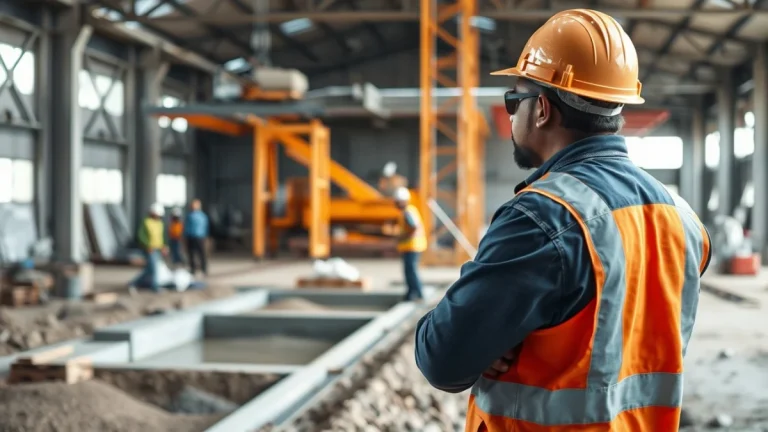
Imagine arriving at a busy building site on a Monday morning. Your first job is a safety walk—checking for hazards like loose cables, unguarded edges, or blocked emergency exits. You spot that one area where workers are not wearing gloves while handling chemicals. You remind the team and arrange an on-the-spot quick training refresher.
You also run through the checklist to see if all PPE meets legal standards and arrange for replacements if helmets or boots look worn out. Later, you review an incident report from the previous week about a minor fall and check that corrective steps are in place.
Throughout the day, you communicate with site managers and workers, being approachable but firm about safety needs. On bigger sites, you use a tablet or app for digital safety inspections, logging real-time data that helps track improvements or trouble spots.
Common Mistakes Beginners Make on Construction Safety
A lot of newcomers get caught up in paperwork or technical rules and forget the practical side. They might not spend enough time walking the site, talking to workers, or observing how things really happen. This can lead to missing key risks or not spotting unsafe habits in time.
Another trap is trying to enforce rules too harshly right away. Building trust with the crew means you can encourage safer behaviour without constant conflict. Practical safety isn’t about rules alone—it’s about teamwork and communication.
Advice for Beginners Stepping into Construction Safety
- Spend time on site regularly, not just in the office. Seeing hazards firsthand helps you act faster.
- Learn the South African safety laws and regulations but focus on how they apply day-to-day.
- Listen to workers’ concerns and feedback. They often know where risks hide.
- Practice clear, calm communication, especially when correcting unsafe behaviour.
- Keep your knowledge fresh by taking online training and ticking off safety certificates.