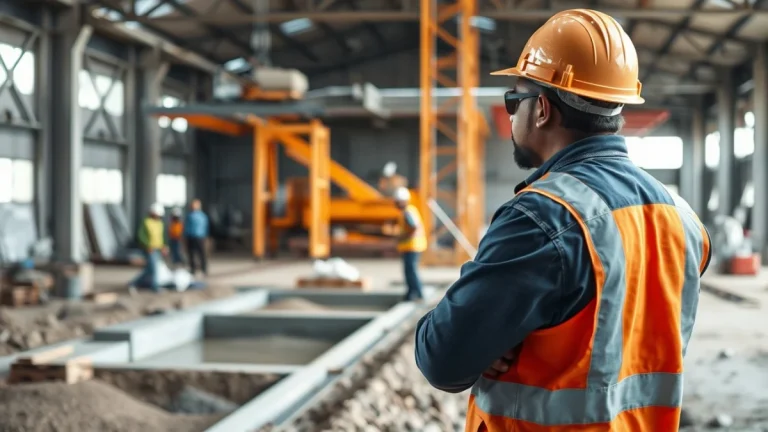
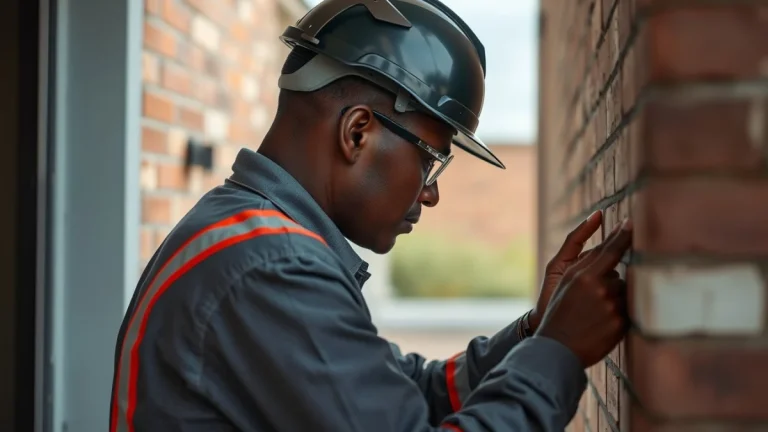
Understanding Building Maintenance Responsibilities in the Workplace
If you’re looking to start a career in facilities work or want to understand what building maintenance assistants actually do, this post will break it down clearly. Facilities maintenance is about keeping buildings safe, functional, and comfortable for everyone who uses them. This means checking, fixing, and caring for everything from doors and windows to plumbing, electrical systems, and HVAC units.
Taking a Free Facilities Maintenance Assistant Course with Certificate in South Africa can set you up with the right skills. But beginners often get overwhelmed by the many tasks involved and safety rules that must be followed. For example, it’s common to underestimate how important basic safety gear truly is, or to think fixing a dripping tap is less urgent than electrical faults—which isn’t always the case in a busy workplace.
What Building Maintenance Responsibilities Look Like in Practice
At its core, building maintenance means spotting small problems before they become big—like tightening a loose door handle before it breaks off or detecting a water leak early to avoid costly water damage. In many South African workplaces, maintenance assistants juggle these routine tasks while managing requests from building users, suppliers, and supervisors.
Imagine your morning: you check the HVAC filters, notice a flickering light in the hallway, and a broken window latch in one office. Each issue needs a different fix—sometimes a quick repair, sometimes reporting for specialised work—while keeping safety top of mind.
Key Responsibilities of a Facilities Maintenance Assistant
- Inspecting and maintaining building structures (walls, doors, windows, roofs)
- Conducting routine electrical and plumbing checks
- Handling basic repairs for minor faults
- Following health and safety standards, including using PPE
- Cleaning and waste management related to building upkeep
- Reporting major issues and maintaining clear documentation
- Scheduling regular maintenance tasks to prevent breakdowns
Why These Duties Matter on the Job
Regular maintenance prevents unexpected breakdowns that disrupt daily operations. In South African workplaces, where resource constraints can make quick fixes harder to come by, staying ahead with a good maintenance routine saves time, money, and stress.
Ignoring routine upkeep can quickly snowball into costly damage. For instance, a minor electrical fault that isn’t addressed might cause a power outage or hazard. Knowing your duties and when to escalate issues helps keep everyone safe and the facility working smoothly.
What Beginners Often Get Wrong When Starting
One common mistake for new facilities maintenance assistants is thinking repairs are all physical work without enough planning. But paperwork, communication, and documentation take up a big part of the job. For example, if you fix a light but don’t record it properly, the problem might be reported again or get worse without warning.
Another misunderstanding: safety can feel like extra hassle when under pressure to finish quickly. But failing to follow correct procedures puts you and others at real risk. Wearing PPE, blocking off wet floors, or switching off electricity before work are not optional steps—they’re necessary.
How to Handle Maintenance Tasks Efficiently
Good organisation is key. Use checklists and maintenance logs to track daily work. Prioritise urgent fixes—those impacting safety or operations—before less critical jobs like cleaning or repainting.
When facing an electrical issue, your first steps should be to isolate power safely and notify a qualified electrician. For plumbing leaks, quick identification and a temporary fix can reduce damage but don’t try to replace major pipes unless trained.
Real Workplace Scenario
At a busy office, you might start your shift by inspecting all the fire exits and emergency lights. This routine can prevent safety audits from failing. Midday, you get a call about a blocked toilet—since you know basic plumbing, you can tackle it fast. Later, a tenant reports a noisy air conditioner; you check the HVAC filters and schedule a professional for a deeper service.
Each task needs attention, clear reporting, and safety checks. The pressure comes from balancing daily tasks with emergency fixes while keeping documents up to date.
Helpful Tips for Beginners
- Always wear PPE: gloves, safety goggles, hard hats are there for a reason.
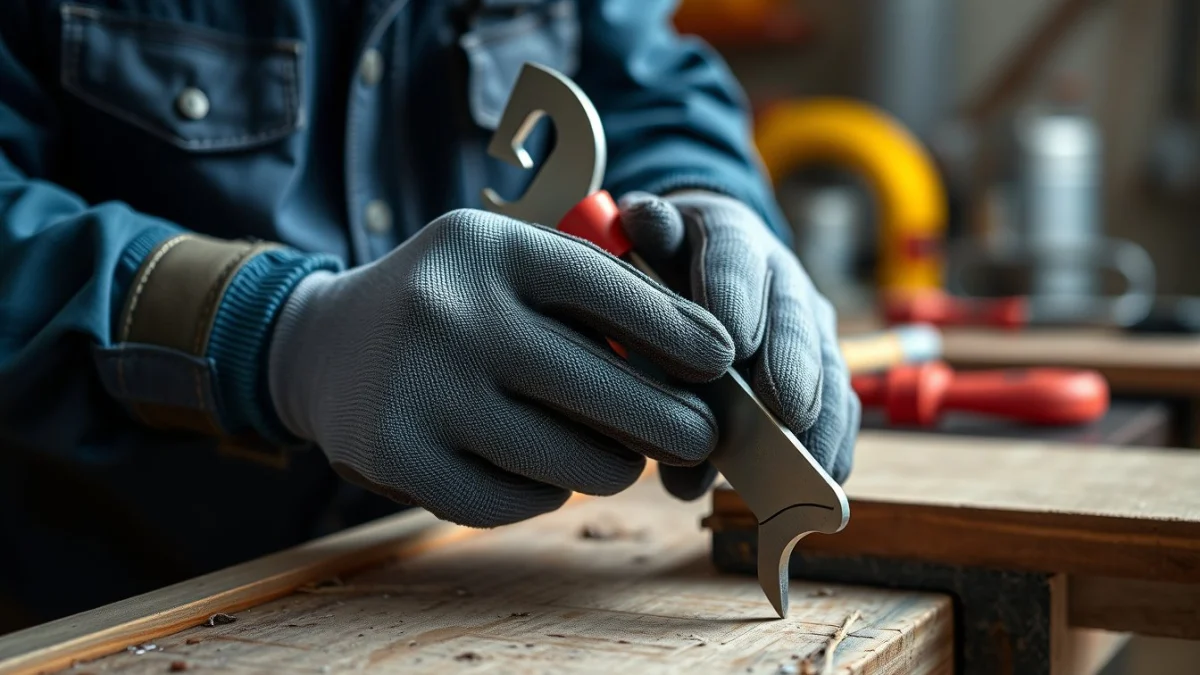
- Use tools properly and keep them in good condition—broken tools cause accidents and delays.
- Don’t guess electrical repairs. Know when to call specialists.
- Keep neat records of your work and communication to avoid confusion later.
- Ask for help when unsure—better safe than sorry, especially with safety and electrical tasks.
Frequently Asked Questions
What skills does a facilities maintenance assistant need?
Is previous experience required to start this career?
What tools are commonly used by maintenance assistants?
How important is documentation in maintenance work?
Learn More and Gain Practical Skills
Ready to build your skills as a facilities maintenance assistant? EduCourse offers a Free Facilities Maintenance Assistant Course with Certificate in South Africa. It covers all key areas, from safety to plumbing and electrical basics, with quizzes to test your progress. This hands-on learning approach helps you get ready for real workplace demands with confidence.