The Main Difference Between Quality Assurance and Quality Control in Construction
If you’re exploring the construction field in South Africa, especially taking a Free Construction Quality Control Inspector Course with Certificate in South Africa, you’ll quickly see how often quality assurance (QA) and quality control (QC) get mixed up. The key difference is straightforward: quality assurance is about preventing defects through planned processes, while quality control focuses on identifying defects by inspecting the actual work.

This difference matters because both play distinct roles on a construction site. Many beginners expect QC to just be about “checking things off the list,” but without strong QA, those checks often miss deeper issues. Likewise, QA can sound abstract and far removed from the day-to-day site bustle. For someone new, the confusion between these two can easily lead to mistakes in understanding their role and training path.
On site, a quality control inspector might face pressure to approve materials or work that don’t fully meet the standard because deadlines loom. At the same time, QA processes, driving continuous improvements, rarely appear as clear-cut tasks to tick and can be overlooked when the pressure mounts. That tension between checking work and building better processes is where the real challenge and value lie.
| Aspect | Quality Assurance (QA) | Quality Control (QC) |
|---|---|---|
| Main Focus | Preventing defects via process management | Detecting defects through inspection and testing |
| When It Happens | Before and during construction | During and after construction activities |
| Role of Inspector | Oversees system and standard compliance | Checks materials and workmanship quality |
| Tools Used | Procedures, checklists, and audits | Measurement tools, testing equipment, and reports |
| Outcome | Improved methods and fewer defects | Identification and correction of defects |
Quality Assurance vs Quality Control Duties
Quality assurance tends to be the bigger-picture, system-level responsibility. QA ensures that construction standards align with South African regulations and that workforce training, materials procurement processes, and site management methods support consistent quality output.
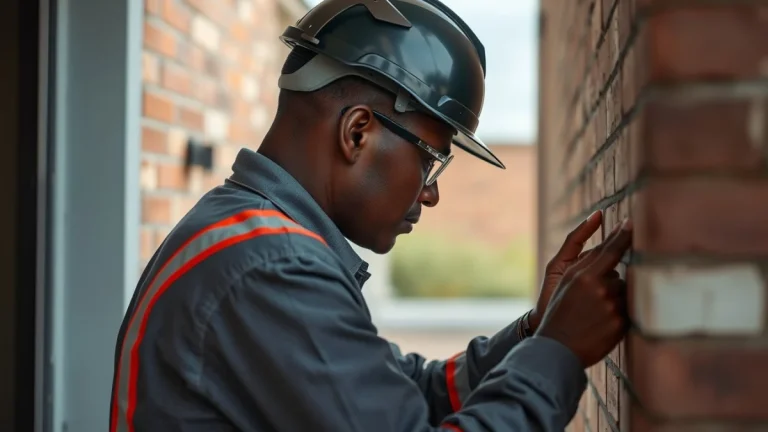
In contrast, quality control inspectors focus on the actual construction elements on site. They inspect concrete mixes, welding quality, masonry, and fixtures against strict specifications. Their job is less about changing processes and more about spotting and reporting flaws immediately.
Many learners assume QC is easier because it’s about “checking things,” but what often goes unnoticed is how tough it is to make reliable calls on site. Poor lighting, weather, or rushed contractors can make detection tricky. Meanwhile, QA practitioners juggle creating or enforcing protocols that workers often see as bureaucratic or impractical.
The Tools and Techniques: What You’ll Actually Use
Quality control inspectors rely heavily on physical tools—measuring tapes, moisture meters, concrete testing cylinders, welding gauge tools, and detailed inspection checklists. They also document inspections carefully to support corrective action if needed.
QA professionals use process mapping, audits, and compliance tracking software. While QC tools have obvious tactile presence, QA tools are more about data tracking and process analysis. Many beginners thinking of training for construction quality roles don’t realise that practical QC skills are more hands-on and immediate, while QA can feel more abstract in the early stages.
Salary and Career Outlook in South Africa
Salary levels tend to reflect the narrower scope and task focus. Quality control inspectors often have an entry point that’s accessible with a free beginner construction quality control inspector course with certificate in South Africa. More system-focused QA roles often demand greater experience or additional education.
In typical South African construction environments, QC inspectors are in steady demand because site inspections are mandatory and directly linked to contract compliance. QA specialists may work in larger firms or for developers who maintain continuous quality improvement programs.
Skills You Need for Quality Assurance and Quality Control
QC inspectors require strong observational skills, familiarity with construction materials, good hand-eye coordination, report writing capability, and a practical knowledge of local standards. They must be comfortable calling out poor-quality work despite site pressures.
QA roles demand skills in process design, problem-solving, audit management, and often better communication and coordination across teams. Misconceptions happen when newcomers think QA is an easier desk job. In reality, good QA in construction requires patience, deep regulation knowledge, and assertiveness.
Work Environment and Difficulty
Expect quality control inspectors to spend most of the day on site, sometimes in harsh weather or noisy environments, needing PPE and constant alertness to safety. The pace can be demanding with quick checks and immediate decisions expected.
QA work may partly happen in offices or site offices but still requires site visits and often longer-term oversight responsibility. The challenge here is keeping standards consistent across dispersed teams and processes.
Pros and Cons: Which One Fits You Better?
- Quality Assurance Pros: Bigger impact on prevention, strategic role, opportunity for leadership.
- Quality Assurance Cons: Sometimes abstract tasks, slower feedback loop, requires more experience.
- Quality Control Pros: Hands-on, clear tasks, immediate effect on construction quality, direct involvement on site.
- Quality Control Cons: Physically demanding, pressured to accept subpar work, requires fast decision-making.
What’s Better for Beginners?
If you’re starting out with no construction experience, a free beginner construction quality control inspector course with certificate in South Africa is often a better first step. QC training is practical and geared to site realities, teaching you how to spot and report real problems faster.
Many beginners mistake that QA should be their entry point because it sounds corporate or system-level, but without hands-on knowledge from quality control practices, QA learning can feel overwhelming and disconnected.
Common Misconceptions and Overlooked Realities
Misconception: QA and QC are interchangeable terms. This is not true and leads to confusion in roles and responsibilities.
Reality: A quality control inspector’s daily work often involves managing tensions with contractors who push back when defects are reported. This makes soft skills and assertiveness vital but often overlooked in beginner training.
Overlooked Insight: Reliable documentation is the backbone of both QA and QC. Many newcomers underestimate how challenging precise reporting and record-keeping can be, especially on a busy South African construction site.
Consequence of Poor Practice: Skipping QA processes or rushing QC inspections often leads to costly rework, delays, and safety risks — common challenges in South African construction projects that learners should be ready to manage.