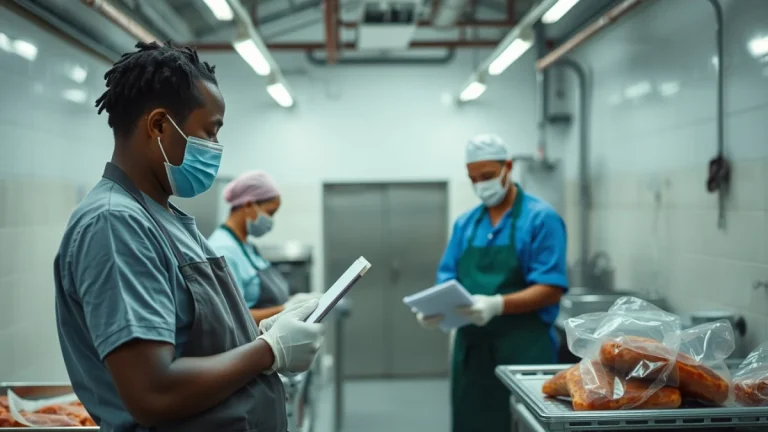
Getting Ready for a Food Safety Inspection in South Africa
Preparing for a food safety inspection can feel overwhelming, especially if you’re new to the role of a supervisor. This step-by-step guide focuses on how to effectively get your workplace inspection-ready using insights from a Free Food Safety Supervisor Course with Certificate in South Africa. The goal is to help you nail the inspection by knowing exactly what to check, fix, and document.

Many beginners worry about missing key details or not understanding the inspectors’ expectations. South African kitchens often face daily pressure juggling busy meal prep and strict hygiene rules—a dropped ball could mean a failed inspection, fines, or worse. Knowing how to prepare confidently is what turns nervous supervisors into safety pros.
What Inspectors Really Expect: The Core of Food Safety Inspections
Food safety inspections are more than spot checks. They test how well your whole system works under normal working conditions. Inspectors look for risks to public health such as poor hygiene, contamination, pest problems, and record-keeping gaps. They also expect to see a clear food safety supervisor role that controls these risks in real time.
Overlooked insight: Many workplaces focus too much on cleaning just before the inspection day. Inspectors know this and will check records and habits, not just spotless surfaces. Routine checks and logs carry more weight than last-minute fixes.
Step-by-Step Breakdown: How to Prepare for a Food Safety Inspection
1. Review Your Food Safety Documentation
- Ensure all temperature logs (fridges, freezers, cooked foods) are up to date.
- Check cleaning schedules and pest control records—gaps or missing signatures are red flags.
- Verify staff training registers are complete, especially for new or temporary workers.
2. Assess Personal Hygiene and Staff Practices
- Observe handwashing stations: Are they stocked with soap, towels, and warm water?
- Check if staff wear appropriate protective clothing (aprons, hairnets, gloves) properly.
- Confirm that illness reporting policies are clear and followed—no sick food handlers on duty.
3. Inspect Storage Areas and Temperature Controls
- Verify all perishable foods are stored at correct temperatures. Use a probe to spot check.
- Look for clean, sealed containers and proper separation to prevent cross-contamination.
- Ensure dry goods are off the floor, away from walls, and protected from pests.
4. Check Cleaning and Sanitation Procedures
- Confirm cleaning chemicals are stored safely, labelled, and used as per guidelines.
- Inspect equipment and surfaces for proper cleaning—no residue or buildup.
- Spot-check for cross-contamination risks during cleaning such as using the same cloth for different areas.
5. Look for Pest Control and Waste Management Issues
- Identify any signs of pests like droppings, gnaw marks, or nests.
- Check if waste bins are covered, emptied regularly, and separated properly.
- Assess that pest control measures, such as traps or sprays, are documented and routine.
6. Conduct a Mock Inspection or Team Walkthrough
- Make a checklist based on South African food safety legislation and standards.
- Walk through the site as an inspector would, noting weak points or missing records.
- Involve your team—regular internal inspections boost overall readiness.
Common Mistakes that Can Spoil Your Food Safety Inspection
Relying on Last-Minute Cleaning
Cleaning only on inspection day leaves gaps in records and habits. Inspectors are trained to spot superficial fixes and will question inconsistent logs. Instead, maintain daily cleaning routines aligned with your schedules.
Ignoring Staff Training and Communication
Not all staff fully understand their role in food safety, especially casual or new employees. Without proper training and ongoing reminders, risky behaviours slip in. Investing time in clear communication avoids poor practices during inspections.
Neglecting Temperature Monitoring Accuracy
Not calibrating thermometers or failing to regularly check temperatures leads to unsafe food conditions. Many supervisors make the mistake of trusting visual cues rather than recorded data, which inspectors rely on heavily.
Poor Pest Awareness and Waste Handling
Pests can enter through small holes or waste left uncovered. If inspectors find signs of infestation or contaminated waste areas, your entire inspection can fail, regardless of other good practices.
Customising Your Approach for South African Workplaces
In South Africa, many food businesses face challenges like irregular power supply affecting refrigeration or dealing with informal waste collection schedules. Your preparation must factor in these local realities. For example:
- Keep alternative cooling methods and record any power outages that could affect food safety.
- Adapt waste disposal plans to local municipal services schedules.
- Engage staff in practical training that considers common local issues like pest risks unique to the region.
One often missed detail: Show inspectors how you handle these challenges in your records and daily practice—it demonstrates control rather than risk.
Examples of Effective Food Safety Checklists for Supervisors
- Daily Temperature Checks (Refrigerators, Freezers, Cooked Foods)
- Weekly Cleaning and Sanitising Schedule with Sign-off
- Pest Control Log Updated Monthly
- Staff Training and Health Declaration Register
- Incident and Corrective Action Reports
Using simple, clear checklists that your whole team understands helps keep standards consistent and makes inspections less stressful.
FAQs
What is the role of a food safety supervisor during an inspection?
How often should temperature records be taken in a food business?
Can temporary staff be included in food safety training before inspection?
What are some signs of pest infestation to look out for?
Take Control of Your Next Food Safety Inspection
Preparing well for inspections takes more than ticking boxes day-of. It means creating everyday habits and systems that keep food safety active and visible. Learning from a free food safety supervisor course with certificate in South Africa can give you practical skills and confidence to lead your team effectively. Start building your inspection readiness, nail your routine, and keep your workplace safe.