Cracking Your Facilities Maintenance Assistant Interview – What You Need to Know
If you’re preparing for a facilities maintenance assistant interview in South Africa, this guide gives you practical, ready-to-use questions and answers. Whether you’re taking a free Facilities Maintenance Assistant Course with Certificate in South Africa or going in fresh, knowing what to expect can calm nerves and set you apart.
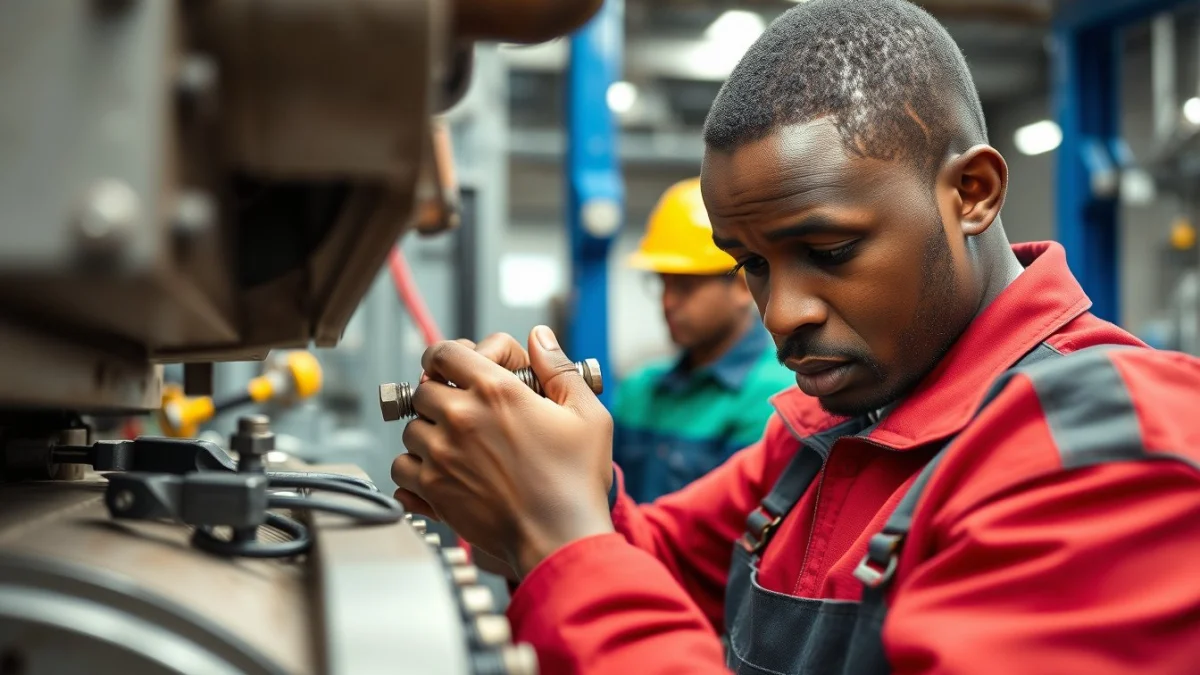
Many beginners get overwhelmed by the technical and safety questions, especially when unfamiliar with South African workplace safety rules or basic tools. A common mistake is memorising vague answers instead of focusing on straightforward practical examples. Real interviews want confident, clear short answers showing you understand your role and can handle everyday scenarios.
Common Interview Questions and Sample Answers
1. What Does a Facilities Maintenance Assistant Do?
Why they ask: Employers want to know you understand the basic role.
Sample answer: “A Facilities Maintenance Assistant supports maintenance teams by doing routine checks, basic repairs, and reporting faults. I handle tasks like cleaning, checking electrical and plumbing systems, and making sure safety measures like PPE are used properly.”
2. Can You Name Some Basic Tools Used in Maintenance?
Why it matters: Shows your hands-on readiness and tool knowledge.
Sample answer: “Common tools I use are screwdrivers, pliers, adjustable wrenches, voltage testers for electrical tasks, and leak detectors for plumbing. I also know how to safely use PPE like gloves and safety glasses.”
3. How Would You Handle a Minor Plumbing Leak?
What they want to hear: Practical approach and problem-solving.
Sample answer: “First, I’d turn off the water supply to the leaking area. Then, I’d assess if it’s a simple repair like tightening fittings or replacing washers. I’d report the issue to my supervisor if it needs specialist attention. Keeping the area dry to avoid slipping hazards is important too.”
4. What Health and Safety Precautions Should You Follow?
Reason for question: To confirm workplace safety awareness, crucial in South Africa.
Sample answer: “I always wear the correct PPE such as gloves, helmet, and boots. I ensure tools are in good condition and check for hazards before starting work. I’m trained to follow health and safety standards and familiar with basic first aid to react in emergencies.”
5. How Do You Prioritise Maintenance Tasks?
Why it’s important: Shows organisational skills and ability to manage workload.
Sample answer: “I prioritise based on urgency and safety. Faults that affect health or safety get attention first, like electrical faults or leaks. Routine cleaning and upkeep come next. I use checklists or schedules if provided to stay organised.”
Step-by-Step Guide to Prepare for Your Interview
- Review course basics: Brush up on topics like basic electrical and plumbing maintenance, safety rules, and communication skills.
- Prepare concrete examples: Think of practical situations from training or past work when you fixed something or followed safety carefully.
- Practice answers aloud: Keep responses clear and to the point—avoid jargon or vague replies.
- Understand the job environment: Know that many facilities in South Africa have mixed maintenance needs – buildings, HVAC, and waste management.
- Dress smart and be punctual: First impressions matter even for a hands-on role.
Best Practices for Facilities Maintenance Assistant Interviews
- Speak confidently about safety: Safety is non-negotiable in maintenance roles. Stress your attention to PPE and hazard awareness.
- Highlight your willingness to learn: Many employers appreciate candidates open to upskilling and using online courses.
- Show practical experience: Even basic hands-on tasks count. Mention tool familiarity and routine maintenance procedures.
- Be honest about limits: Know when to escalate issues or report to supervisors—don’t claim expertise beyond your skills.
- Prepare questions: Asking about team size or typical tasks shows interest and initiative.
Mistakes to Avoid
- Being too vague: Saying “I can do maintenance” is weak. Give specific task examples.
- Ignoring safety questions: Underestimating PPE or health and safety protocols can cost you.
- Overloading with technical details: Most maintenance assistants are not expected to be electricians or plumbers—focus on assistant-level tasks.
- Showing no knowledge of tools: Basic tools knowledge is often assumed; lacking it raises doubts.
- Talking negatively about past employers: Stay professional and positive.
Customising Your Answers for South African Workplaces
Facilities maintenance in South Africa often involves mixed environments: commercial buildings, schools, factories, and public facilities. Resources and equipment might differ from place to place. When describing your skills, mention adaptability to changing schedules and multitasking across electrical, plumbing, and cleaning duties. Also, include understanding of local waste management and recycling practices, as these are important in many jobs.
Employers may ask about handling pressures like urgent breakdowns or working in wet or dusty conditions – prepare to show you can stay calm and focused in these real-life scenarios.
Extra Examples of Common Interview Dialogue
Interviewer: “What would you do if you noticed faulty wiring during a routine check?”
Candidate: “I would switch off the circuit if safe to do so, mark the area, and immediately report the fault to the electrician or supervisor to prevent accidents.”
Interviewer: “How do you keep track of maintenance schedules?”
Candidate: “I use maintenance logs or checklists to record completed tasks and upcoming activities, making sure nothing is missed.”
These short, real answers stand out by showing both awareness and readiness without excessive detail.
FAQs
What should I emphasise as a beginner in a facilities maintenance interview?
Are technical qualifications necessary for this job?
How detailed should my answers be about repairs?
What are employers in South Africa looking for beyond technical skills?
Ready to Build Your Facilities Maintenance Career?
If this sounds like the kind of role you want, a free facilities maintenance assistant course with certificate South Africa can give you a solid foundation and boost your job prospects. The course covers all the practical skills and safety knowledge you’ll need, plus it’s designed with local workplace realities in mind.
Get started today with the Facilities Maintenance Assistant Course with Certificate in South Africa and feel confident walking into your next interview with real skills and clear answers.