
Monitoring and Recording Food Temperatures
How to Effectively Monitor and Record Food Temperatures
Monitoring and recording food temperatures is an essential part of keeping food safe from bacteria that cause food poisoning. In any food business, checking temperatures helps prevent unsafe food from being served or stored. Keeping accurate records supports food safety and shows you are following legal requirements.
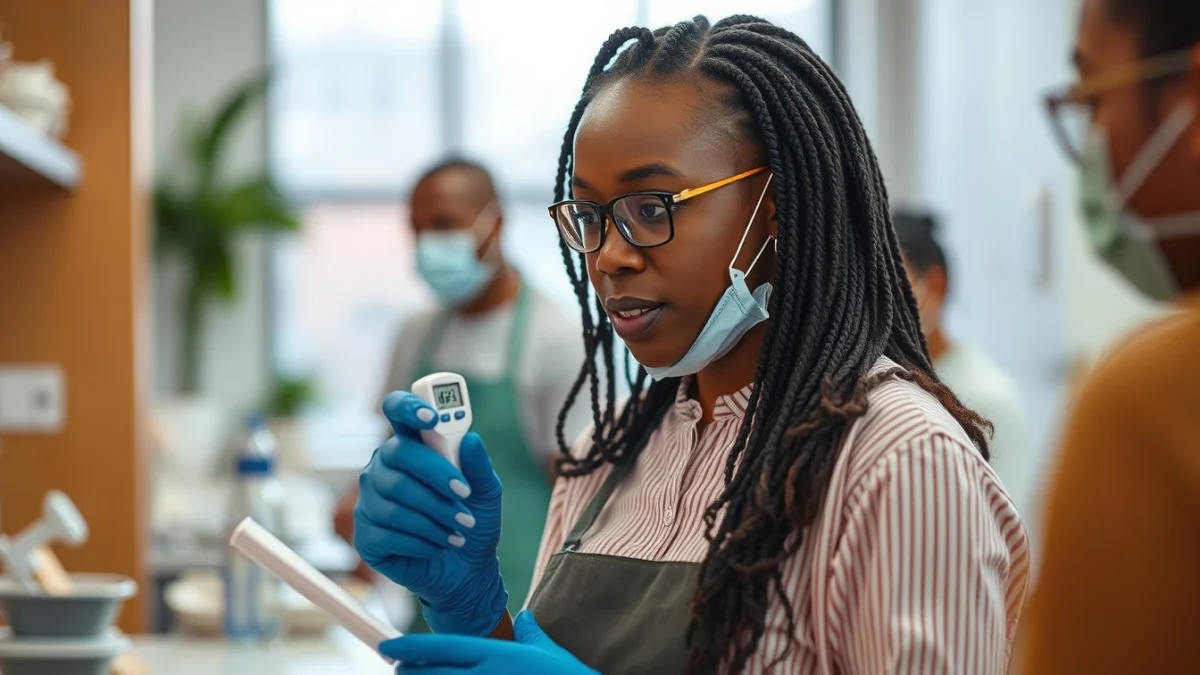
Food temperatures must be checked at critical points, such as when food is received, stored, cooked, cooled, and served. This ensures food stays out of the danger zone where bacteria grow quickly. The danger zone is between 5°C and 60°C. Food kept below 5°C or above 60°C is safer.
Steps for Monitoring and Recording Food Temperatures
- Use a Clean, Accurate Thermometer: Always use a food-grade thermometer. Clean and calibrate it regularly to get correct readings.
- Check Temperatures Often: Measure temperatures on delivery, during storage, while cooking, cooling, reheating, and before serving.
- Take Measurements Correctly: Insert the thermometer into the thickest part of the food. Avoid touching bones or containers. Wait until the temperature stabilises before reading.
- Record Immediately: Write down the temperature, date, time, and who took the reading. Use standard forms or temperature charts.
- Follow Limits for Safe Temperatures: Refrigerated food should be 5°C or lower. Hot food should be at least 60°C. Cook raw meat to the right internal temperature as per guidelines.
- Report Problems: If food is out of the safe temperature range, act quickly to fix the problem. This may mean reheating, cooling properly, or discarding unsafe food.
Keeping clear records helps you spot trends and prevent food safety issues. It also shows food inspectors that your business handles food responsibly. Monitoring and recording food temperatures is a simple but powerful tool to reduce foodborne illness risks.
Remember, safe food is a priority for protecting customers and your business reputation. Regular temperature checks, accurate recording, and quick action keep food safe and comply with South African food safety laws.
Live Scenario • Active Situation
You are a food safety supervisor working in a busy restaurant kitchen.
There is no single perfect answer. Choose what you would do in this situation.
