
Planning for Ongoing Food Safety Development
Planning for ongoing food safety development is essential for any food business that wants to stay safe, legal, and trusted by customers. This means regularly reviewing and improving all food safety processes to prevent foodborne illness and ensure compliance with South African laws and international standards.
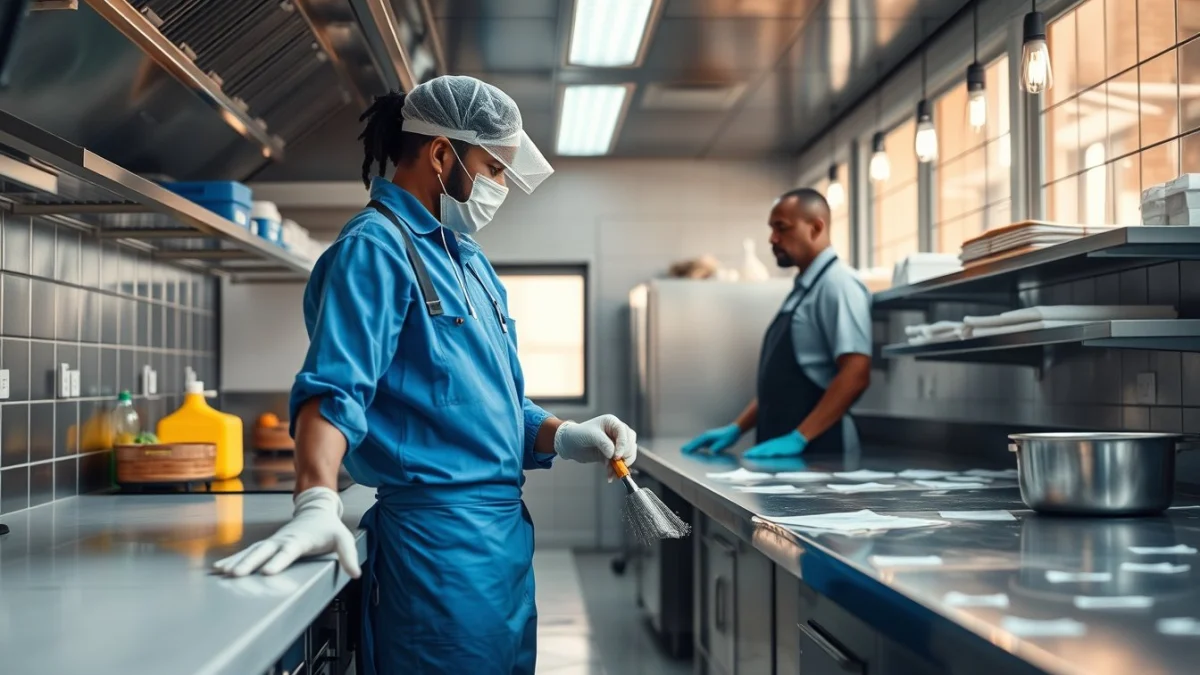
Steps to Maintain Continuous Food Safety Improvement
Food safety does not end after initial training or a one-time plan. It requires continuous attention and effort. Here are the key steps to plan for ongoing food safety development:
- Assess Current Practices: Regularly check how food safety is managed on-site. Look for risks, hygiene problems, or breaches of protocols. This can be done with internal audits or external inspections.
- Update Training: Keep all staff trained in the latest food safety methods and laws. New employees must be trained, and refresher courses should happen annually.
- Set Clear Food Safety Goals: Define what improvements your business wants to achieve. For example, reduce contamination risks or improve temperature monitoring.
- Use Feedback and Incidents: Learn from customer complaints, food safety incidents, or near-miss events. Find causes and fix them quickly.
- Implement New Technology: Use tools like digital temperature loggers or management software to better monitor food safety.
- Review Legal Requirements: Stay up to date with South African food safety laws, especially from the Department of Health and the Food Control Act. Compliance helps avoid fines and closures.
Planning for ongoing food safety development also means creating a culture where everyone is responsible for food safety. Encourage open communication so workers report risks without fear.
Finally, document all improvements and reviews. Good records prove your business takes food safety seriously and can help during audits or inspections.
By following these practical steps, food businesses in South Africa can protect consumers, improve quality, and maintain a strong reputation in the market.
Live Scenario • Active Situation
You are a Food Safety Supervisor at a busy Johannesburg food production facility responsible for planning ongoing food safety development to keep the business safe and compliant.
There is no single perfect answer. Choose what you would do in this situation.
