
Cross-contamination Prevention During Cleaning
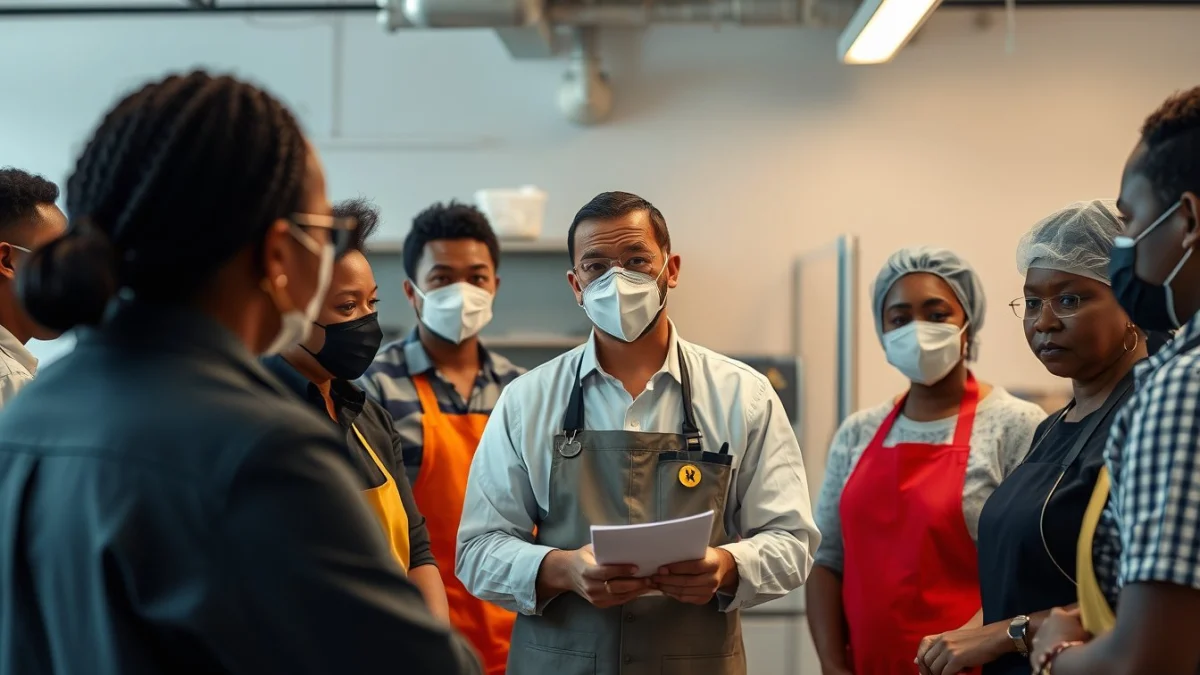
How to Stop Germs Spreading When Cleaning Food Areas
Cross-contamination prevention during cleaning is very important in food safety. It means stopping harmful bacteria, viruses, or allergens from moving from one surface to another while cleaning. If cleaning is done wrongly, germs can easily spread and cause food poisoning or allergic reactions. To prevent cross-contamination during cleaning, always separate equipment for different tasks. For example, use one set of cloths and brushes for cleaning raw meat areas and another for cooked food areas. This stops germs from raw food touching cooked food surfaces. Clean and disinfect surfaces in the right order. Start with the cleanest areas and move to dirtier ones. For example, clean serving tables before the floor. This prevents germs from dirty areas moving to clean spaces. Use different colour-coded cloths and mops for various areas. South African food businesses often use red for raw meat areas, blue for cooked food areas, green for vegetables, and yellow for cleaning toilets or waste areas. Colour-coding helps staff easily know which tools to use where. Always wash cleaning cloths and equipment properly after use. Dirty cloths hold lots of germs and spread them quickly. Use hot water and detergent, and allow everything to dry fully before next use. Clean your hands regularly during and after cleaning. Use soap and warm water or hand sanitizer. Dirty hands can pick up germs from the cleaning tools and spread them to food or surfaces.
Steps to Avoid Cross-contamination During Cleaning
- Separate cleaning tools for raw and cooked food areas.
- Follow a cleaning order from clean to dirty areas.
- Use colour-coded cloths and mops for different food zones.
- Wash cleaning equipment thoroughly with hot water and detergent.
- Dry cleaning tools completely before storing or reusing.
- Wash hands properly while cleaning and before handling food.
- Replace cloths and sponges regularly to avoid germs build-up.
By following these simple rules, food handlers will reduce the chance of harmful germs spreading in food areas. Clean food areas mean safer food and healthier customers. Always remember that cross-contamination prevention during cleaning protects everyone.
Live Scenario • Active Situation
You are a Food Safety Supervisor in a busy South African food processing plant.
There is no single perfect answer. Choose what you would do in this situation.
