
Reporting and Corrective Actions
Why Reporting and Corrective Actions Matter in Food Safety
Reporting and Corrective Actions are essential steps when conducting food safety inspections and risk assessments. They ensure that any problems found are properly documented and fixed to keep food safe for consumers. Without accurate reporting and prompt corrective actions, food safety risks could lead to contamination, illness, or penalties for the business.
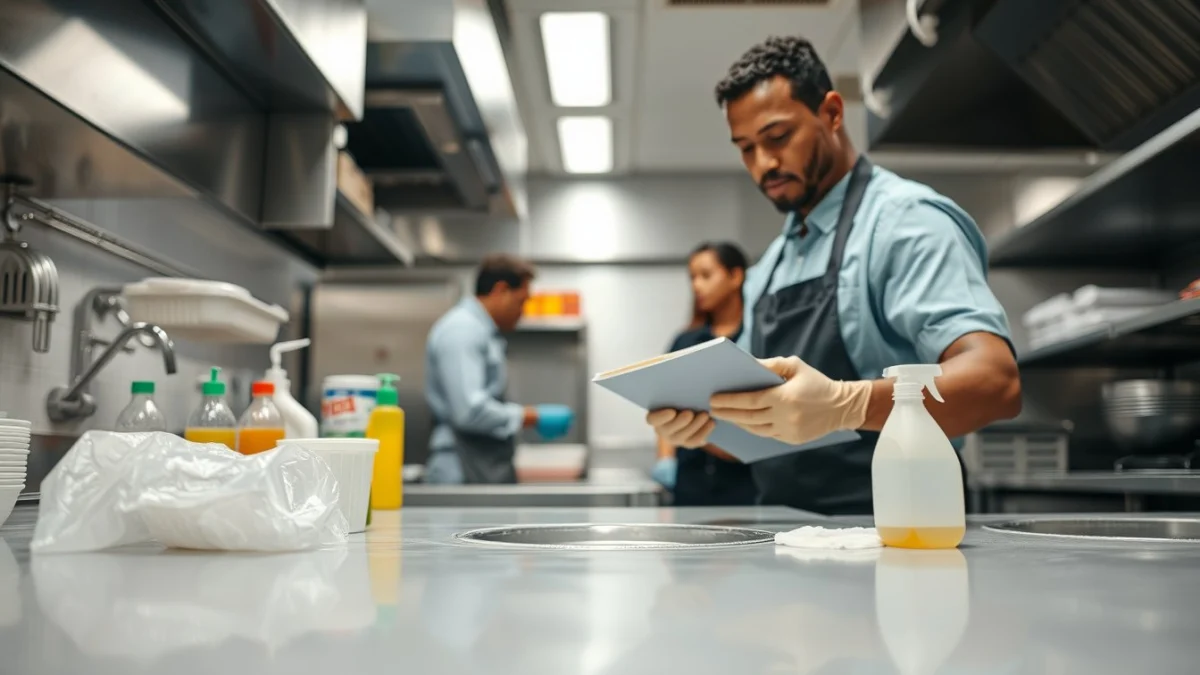
During a food safety inspection, a supervisor checks whether food handling, storage, hygiene, and equipment meet legal standards and company policies. When non-compliance or hazards are discovered, these must be reported clearly and quickly. This helps management understand what the risks are and where improvements are needed.
Good reporting involves writing clear, factual, and detailed inspection reports. These reports should include:
- What was inspected and when
- Findings such as unsafe practices or equipment faults
- Risk levels to food safety
- Recommendations to correct issues
Effective reports create a record that can be used for follow-up actions. They also support compliance during audits or official reviews. It is important to avoid vague language and only report facts observed during the inspection.
Steps to Take for Corrective Actions
Corrective actions are the steps taken to fix problems found during the inspection. They must be practical, timely, and aimed at preventing the same issue from occurring again. Here are the key steps:
- Identify the root cause: Understand why the problem happened (e.g., poor staff training, faulty equipment, or bad cleaning procedures).
- Plan the correction: Decide what actions will solve the problem and who will carry them out.
- Implement the fix: Carry out the tasks needed, such as repairing equipment, retraining staff, or changing procedures.
- Verify effectiveness: Check that the problem has been fully resolved and does not pose a risk anymore.
- Document the action: Record what was done to fix the issue and when. This report must be added to the food safety records.
For example, if an inspector finds improper food storage temperatures, the corrective action might include immediate removal of unsafe food, fixing the fridge, and training staff on temperature control. Reporting this and following through ensures the problem is stopped.
Corrective actions can also help improve overall food safety systems. By learning from inspection reports, businesses can update their policies and training to reduce future risks.
Remember, quick and clear reporting combined with effective corrective actions protects consumers and helps maintain high food safety standards. As a Food Safety Supervisor, your role in managing these processes is critical for the success of the food business.
Live Scenario • Active Situation
You are a Food Safety Supervisor conducting a food safety inspection at a busy catering kitchen.
There is no single perfect answer. Choose what you would do in this situation.
