
Biological, Chemical, and Physical Contaminants
Understanding Biological, Chemical, and Physical Contaminants in Food Safety
In food safety, knowing about Biological, Chemical, and Physical Contaminants is very important. These contaminants cause foodborne illnesses, which can make people sick. Understanding each type helps food handlers prevent contamination and keep food safe.
Biological Contaminants are tiny living organisms like bacteria, viruses, fungi, and parasites. These can grow in food and cause illnesses. For example, bacteria such as Salmonella and E. coli can multiply rapidly in food that is not stored or cooked properly. Viruses like norovirus can spread through contaminated food handlers or water. Parasites such as worms may be found in undercooked meat or fish.
Biological contamination usually happens when food is left in the “danger zone” between 5°C and 60°C, where bacteria grow quickly. Poor hygiene, like not washing hands or using dirty equipment, also causes these contaminants to spread.
Chemical Contaminants include harmful substances that can get into food by accident. These are poisons or dangerous chemicals such as pesticides, cleaning products, food additives, colours, or toxins from spoiled food. For example, if cleaning chemicals are not rinsed off properly, they can contaminate the food.
Other chemical contaminants include toxins produced by some bacteria or moulds. These toxins can cause serious health problems even in small amounts. Chemicals can also enter food during processing or from packaging materials.
Physical Contaminants are foreign objects found in food that can cause injury or illness. These could be pieces of glass, metal, plastic, stones, hair, or bones. Physical contamination happens if food is handled carelessly or if equipment breaks down during food preparation.
Physical contaminants are a safety risk because they can choke someone or cause cuts to the mouth or throat. Preventing this type of contamination involves good cleaning, maintenance, and inspecting food carefully.
How to Control Each Contaminant
- Biological: Keep food at safe temperatures, use good hygiene, and cook food thoroughly.
- Chemical: Store chemicals away from food, label all chemicals, and follow instructions carefully when using cleaning agents.
- Physical: Check food for foreign objects, maintain kitchen equipment, and use protective gear like hairnets.
By understanding Biological, Chemical, and Physical Contaminants, food handlers can prevent foodborne illnesses. Proper food handling, cleaning, and storage are key steps for safe food. Always follow food safety guidelines to protect yourself and customers from contamination.
Live Scenario • Active Situation
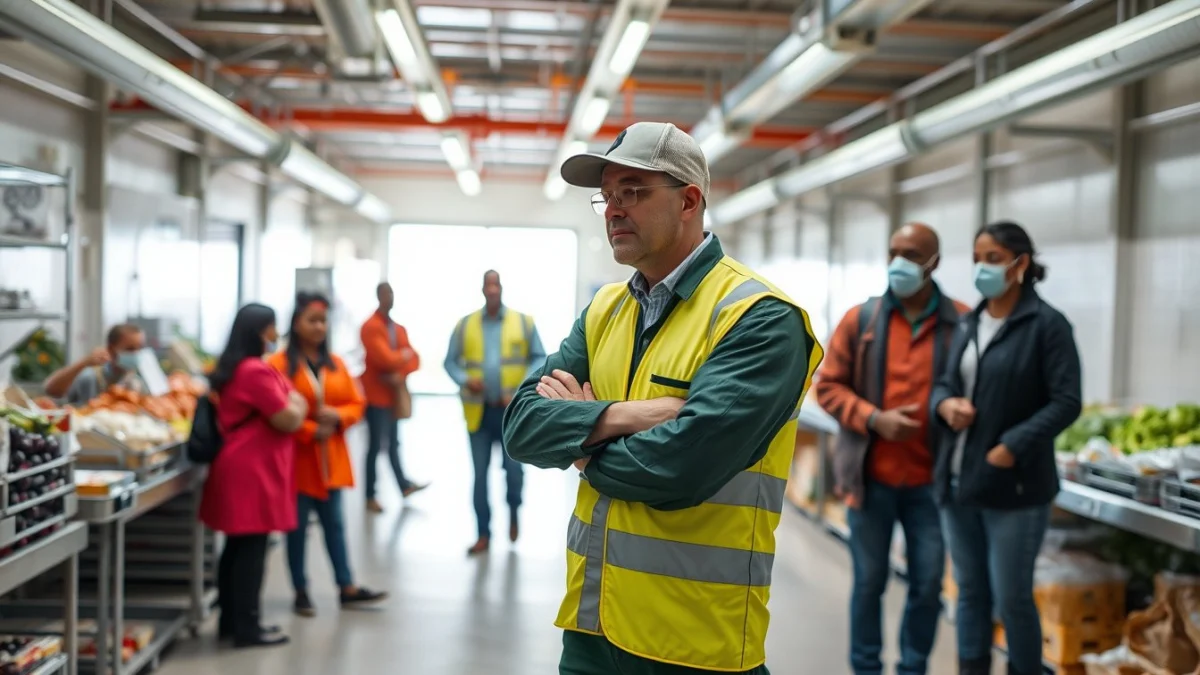
You are a food safety supervisor in a busy restaurant kitchen.
There is no single perfect answer. Choose what you would do in this situation.
