
Effective Cleaning Techniques and Schedules
How to Clean Properly in Food Areas
Effective cleaning techniques and schedules are very important to keep food areas safe. Cleaning removes dirt, food scraps, and germs that can cause contamination. Without proper cleaning, food can become unsafe, leading to food poisoning and health risks.
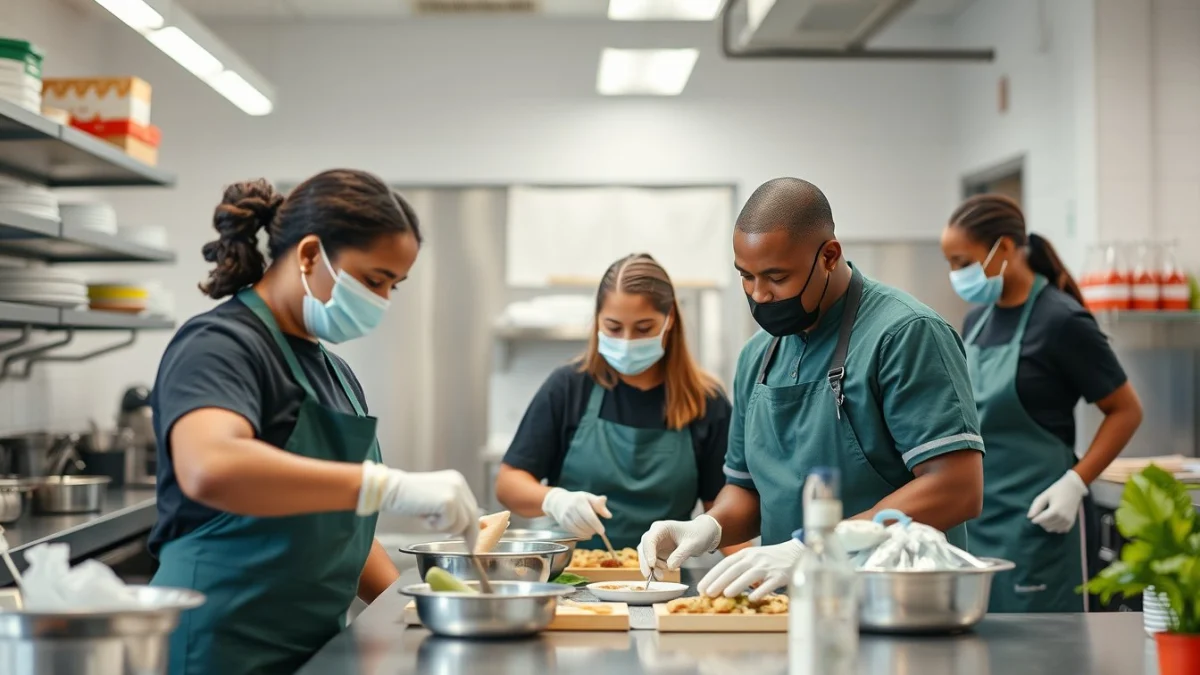
Start by understanding what needs to be cleaned. This includes work surfaces, utensils, equipment, floors, and storage areas. Each item needs the correct cleaning method and must be done regularly.
Steps for Effective Cleaning
- Clear the area: Remove all food and waste before cleaning.
- Pre-rinse: Use water to remove loose dirt and debris.
- Apply detergent: Use the right cleaning chemicals suitable for food areas.
- Scrub: Use brushes or cloths to clean all surfaces thoroughly.
- Rinse: Wash off all detergent using clean water.
- Sanitise: Use approved sanitizers to kill harmful bacteria.
- Dry: Allow surfaces to dry or wipe them with a clean cloth to prevent germs from growing.
Always follow manufacturer instructions when using chemicals. Use personal protective equipment like gloves to keep yourself safe.
Setting a Cleaning Schedule
A cleaning schedule helps ensure all areas are cleaned regularly and properly. This prevents build-up of dirt and reduces the risk of contamination.
- Daily cleaning: Clean surfaces, floors, and equipment used daily.
- Weekly cleaning: Deep clean storage areas, walls, and less-used equipment.
- Monthly cleaning: Check drains, vents, and behind large appliances.
Assign specific tasks to staff and keep records of cleaning times. This helps track what has been done and keeps everyone responsible. Regular checks also help spot areas that need extra attention.
By using effective cleaning techniques and schedules, food supervisors can maintain a hygienic environment. This protects both staff and customers from foodborne illnesses and ensures compliance with food safety laws.
Live Scenario • Active Situation
You are a food safety supervisor in a busy restaurant kitchen responsible for cleaning and sanitation in food areas.
There is no single perfect answer. Choose what you would do in this situation.
