
Preventative Measures to Avoid Contamination
How to Stop Food Contamination Before It Happens
Preventative Measures to Avoid Contamination are essential to keep food safe. Contamination happens when food is exposed to harmful bacteria, chemicals, or physical objects. This can cause foodborne illnesses, which can be serious or even deadly. Knowing how to prevent contamination helps protect your health and those of others.
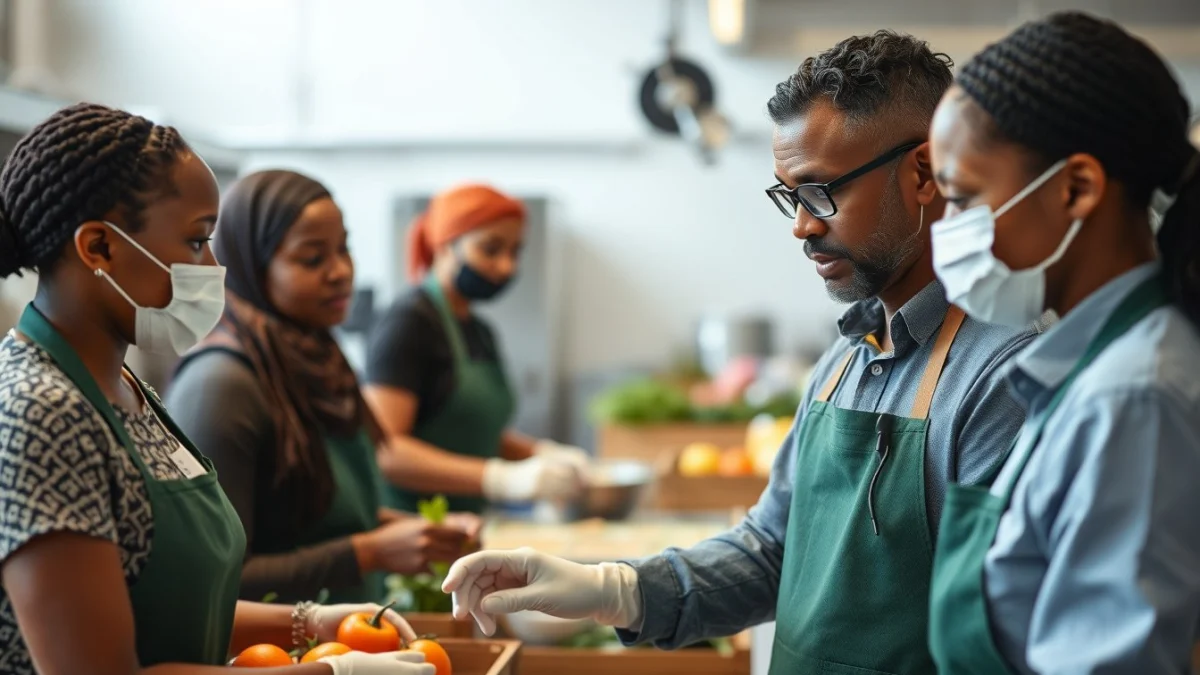
One of the most important steps is to always wash your hands properly. Use warm water and soap, scrubbing for at least 20 seconds. Wash your hands before handling food, after touching raw meat, after using the toilet, and after touching any dirty surfaces.
Keep your work area, utensils, and equipment clean. Clean and sanitise cutting boards, knives, and surfaces between preparing different foods, especially between raw and cooked foods. This stops bacteria from spreading.
Store food correctly. Raw meat, chicken, and fish must be stored below cooked and ready-to-eat foods in the fridge. Keep your fridge at or below 5°C and your freezer at -18°C or lower. Store perishable food in the fridge and avoid leaving food out at room temperature for longer than two hours.
Key Steps to Prevent Contamination
- Clean hands and surfaces regularly.
- Separate raw and cooked foods.
- Cook food to the right temperature to kill bacteria.
- Store food at safe temperatures.
- Use safe, clean water and raw materials.
- Wear clean clothing and hairnets when handling food.
- Avoid touching food with bare hands; use gloves or utensils.
When cooking, make sure food reaches the correct temperature. For example, poultry must be cooked to 75°C, ground meat to 70°C, and eggs until the yolk and white are firm. Using a food thermometer helps confirm this.
Food handlers should never work when sick or with open wounds. Germs can easily transfer to food, causing contamination. Always cover cuts with waterproof bandages and wear gloves.
Finally, regular training and following hygiene rules at your workplace help maintain a safe food environment. Always follow your workplace’s food safety policies and report any unsafe practices.
By applying these preventative measures every day, you reduce the risk of food contamination and help keep everyone safe from foodborne illnesses.
Live Scenario • Active Situation
You are a food handler at a busy kitchen preparing meals in a South African restaurant.
There is no single perfect answer. Choose what you would do in this situation.
