
Understanding Emotional Growth in Children
How Children Develop Emotionally
Understanding emotional growth in children is important for helping them become confident and happy individuals. Emotional growth means how children learn to recognize, understand, and manage their feelings. This process starts from a very young age and continues as they grow. When adults support children’s emotional growth, children can build strong relationships and solve problems better.
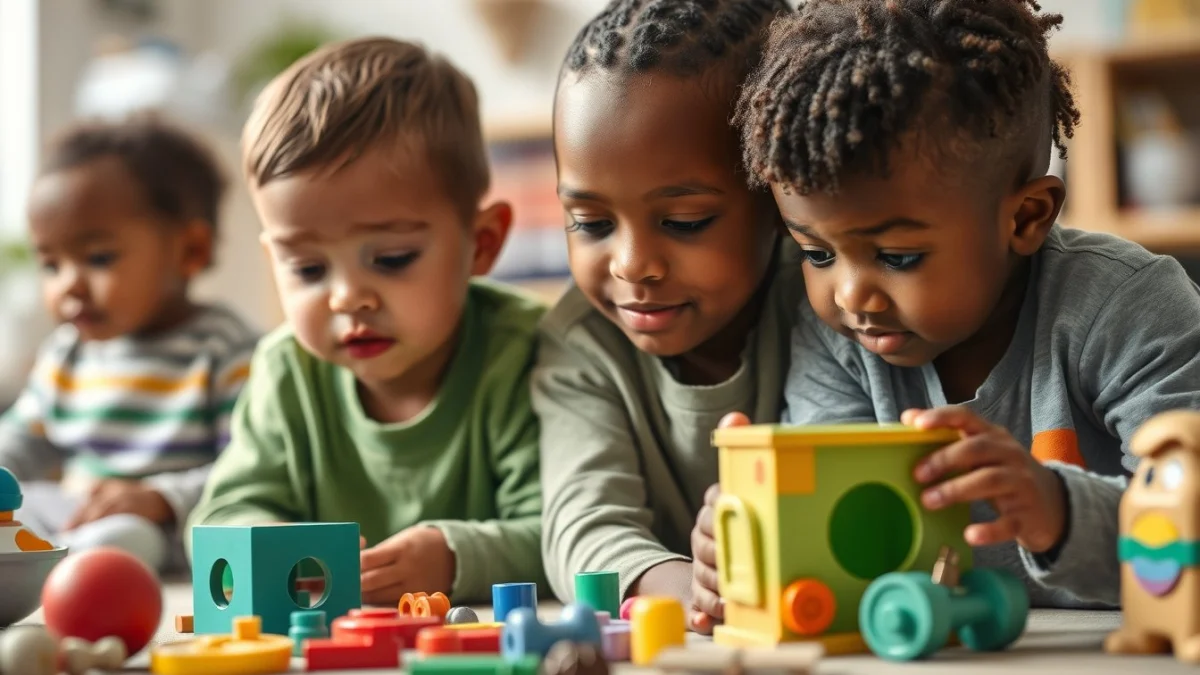
Children show their emotions in many ways. Babies cry to show they are hungry or need comfort. As they grow, children begin to name their feelings like happy, sad, or angry. Learning about emotions helps children control their behaviour and react well in different situations.
Emotional growth is linked to a child’s social skills. When children understand their feelings, they can also understand others’ feelings. This helps them make friends and work well with others. Emotional skills include empathy, patience, and sharing.
Key Steps in Emotional Growth for Children
- Recognising Emotions: At first, children learn to notice their feelings. Caregivers can help by naming emotions, for example, saying “You look happy” or “Are you feeling sad?”
- Expressing Feelings: Children need safe ways to show their emotions. This may be through talking, drawing, or playing.
- Managing Emotions: Children learn to calm down when upset. Adults can teach methods like taking deep breaths or counting slowly.
- Understanding Others: As children grow, they start seeing how others feel. This helps them act kindly and solve conflicts without fighting.
Parents, teachers, and caregivers play a big role in emotional development. Positive attention, patience, and clear communication help children feel safe to express themselves. Listening to children and encouraging them makes a big difference.
Some ways to support emotional growth include reading stories about feelings, playing games that involve sharing or teamwork, and talking about daily experiences and emotions. Consistent routines and rules also help children feel secure.
When children grow emotionally, they become more independent and confident. They can handle challenges better and enjoy better friendships. Understanding emotional growth in children is the foundation for helping them succeed in life.
Live Scenario • Active Situation
You are a childcare worker at a daycare centre.
There is no single perfect answer. Choose what you would do in this situation.
