
Problem-Solving and Memory Development
How Children’s Thinking Skills Grow
Problem-Solving and Memory Development are key parts of how children learn and grow. From a young age, children start to understand how to find solutions to different challenges. At the same time, their memory gets stronger, helping them remember important information. Both these skills work together to support learning.
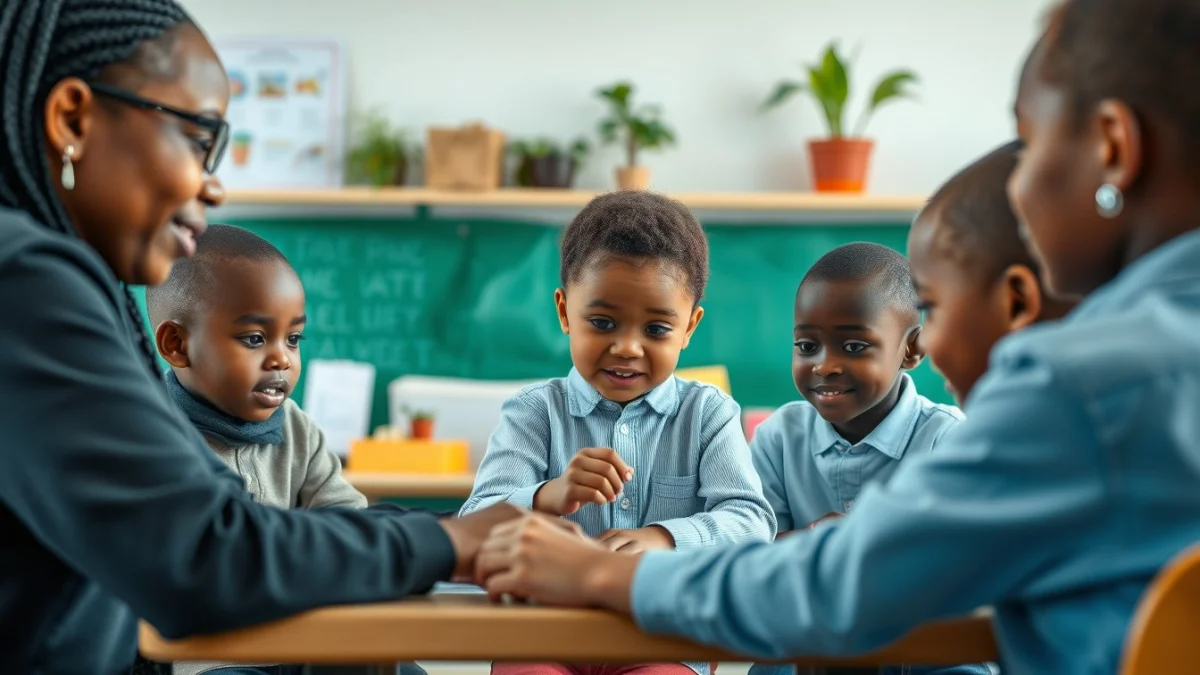
In early childhood, children begin to solve simple problems, like fitting shapes into a sorter or finding a hidden toy. As they get older, they learn to think more carefully and plan their actions before doing them. This shows that their brain is developing new ways to handle problems.
Memory is also important because children need to remember what they have seen or heard before. For example, they might remember steps in a game or the names of animals. This helps them use past experiences to solve new problems.
Stages of Problem-Solving and Memory Development
- Infancy (0-2 years): Babies start to explore objects by touching and looking. They remember simple things like where a toy was hidden. Their problem-solving is basic but important for learning.
- Early Childhood (2-6 years): Children can think about several steps and use language to solve problems. Their memory improves so they can follow instructions and remember stories.
- Middle Childhood (6-12 years): Problem-solving skills become more advanced. Children use logic and planning to overcome challenges. Their memory becomes more organized and better at recalling details.
Parents and teachers can support problem-solving and memory by giving children puzzles and games. Asking questions helps children think deeply and remember information better. Daily routines also support memory by making life predictable and easier to understand.
In school, exercises that encourage children to figure out solutions on their own help develop these skills. Memory can be improved with repetition and practice, like reviewing what was learned in lessons regularly.
In summary, Problem-Solving and Memory Development play an important role in how children learn and act. These skills grow step by step and can be improved by giving children chances to practice. Understanding this helps caregivers support children’s success in learning and life.
Live Scenario • Active Situation
You are a preschool teacher preparing activities to develop problem-solving and memory skills in children aged 3 to 5 years.
There is no single perfect answer. Choose what you would do in this situation.
