
Social Skills and Peer Interactions
Understanding How Children Connect and Communicate
Social Skills and Peer Interactions are important for a child’s growth and success at school and in life. These skills help children talk, share, play, and solve problems with other children their age. Learning to get along with peers is part of a child’s learning about friendship, respect, and cooperation.
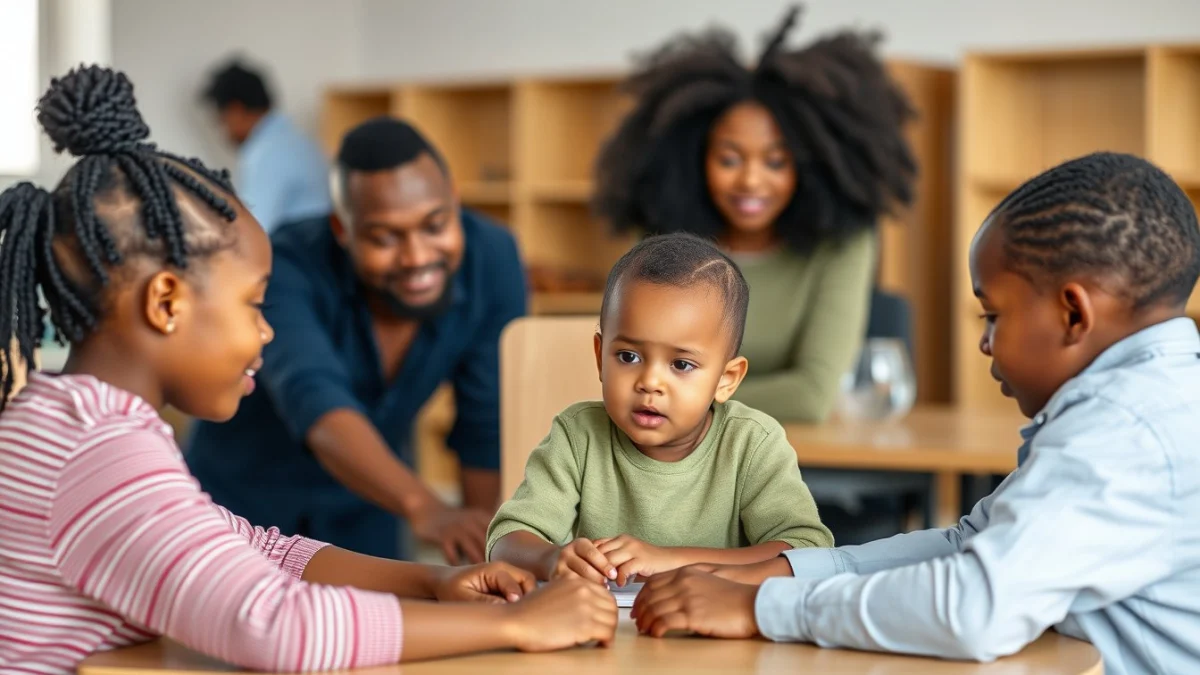
Social skills include the ways children express themselves through words, actions, and feelings. For example, knowing how to say hello, take turns, or say sorry. Peer interactions happen when children meet and play or work together. These moments teach children about fairness, listening, and understanding others’ feelings.
Children develop social skills by copying adults, teachers, and friends. They practise these skills in everyday situations. When children feel safe and supported, they are more confident to join in games or group activities. This practice helps them learn teamwork and how to handle disagreements without fighting.
Key Social Skills Children Learn
- Taking turns and sharing toys or resources
- Using kind words and listening carefully
- Showing empathy by recognising feelings in others
- Asking for help or offering help politely
- Solving small conflicts through talking
- Accepting differences and including others
Peer interactions also teach children important lessons in respect and diversity. When children play with different kinds of friends, they learn about different cultures and ways of thinking. This helps build a sense of community and belonging.
Teachers and parents can guide children in developing social skills by creating chances for group work and play. Adults should model good behaviour like patience and respect. When children see positive examples, they learn how to behave in social situations.
Social Skills and Peer Interactions are not just about talking or playing; they are about building healthy relationships. These skills are important for a child’s emotional growth and help prevent feelings of loneliness or frustration.
In summary, helping children to improve social skills and encouraging positive peer interactions prepares them for better relationships at school and beyond. It supports their emotional well-being and success in life by teaching kindness, cooperation, and respect.
Live Scenario • Active Situation
You are an early childhood workplace assistant in a busy preschool classroom.
There is no single perfect answer. Choose what you would do in this situation.
