
Community Resources for Child Development
Community Resources for Child Development play an important role in helping children grow, learn, and stay healthy. These resources are local services, people, and places that support families and children in many ways. They provide extra help outside of the home and school, making sure children get the best start in life.
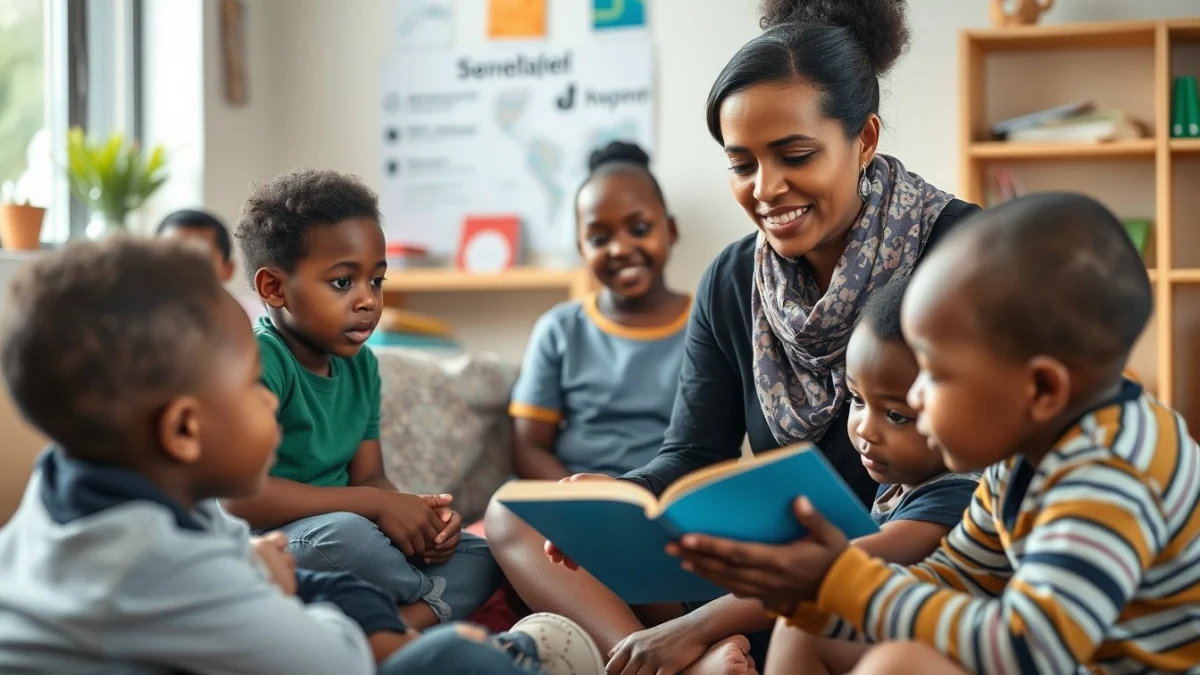
How Community Resources Support Children and Families
Community resources offer practical support to children and their families. They help with health, education, social skills, and emotional well-being. When families use these resources, children have a better chance to develop properly and feel safe in their environment.
Some common community resources include health clinics, early childhood centres, libraries, sports clubs, and social workers. These places offer different kinds of help. For example, health clinics provide immunisations and check-ups to keep children healthy. Early childhood centres give young children a place to learn and play with others.
Libraries encourage reading and learning by offering free books and activities. Sports clubs help children stay active and learn teamwork. Social workers and community centres offer advice and support for families facing challenges like poverty or family difficulties.
Examples of Community Resources in South Africa
- Health Clinics: Provide vaccinations, growth monitoring, and basic healthcare for children.
- Early Childhood Development (ECD) Centres: Offer early learning programs and social interaction for young children.
- Community Libraries: Encourage reading and provide educational resources.
- Sports Clubs and Recreation Centres: Promote physical activity and teach valuable social skills.
- Social Workers and Support Groups: Help families with advice, counselling, and practical support.
Using community resources helps families get advice and assistance they might not find at home. This support strengthens families and helps children do well at school and in life.
It is important for parents and caregivers to know about these resources and use them when needed. Schools can also help by connecting families with local help. Working together with the community makes a big difference for child development. Children feel more supported, safe, and ready to face new challenges.
In summary, Community Resources for Child Development are vital tools for improving a child’s chances of success. They provide support in health, learning, and social skills that families alone may not be able to offer. When families, schools, and communities work as one, children receive the care and opportunities they need to grow strong and confident.
Live Scenario • Active Situation
You are a community liaison officer working to connect families with local child development resources in a South African township clinic.
There is no single perfect answer. Choose what you would do in this situation.
