
Managing Behaviour and Emotional Regulation
How to Support Children’s Behaviour and Emotions
Managing behaviour and emotional regulation is important for helping children grow into confident and happy individuals. It means guiding children to control their actions and feelings in a positive way. This skill is part of their social and emotional development and helps them build good relationships and cope with life’s challenges.
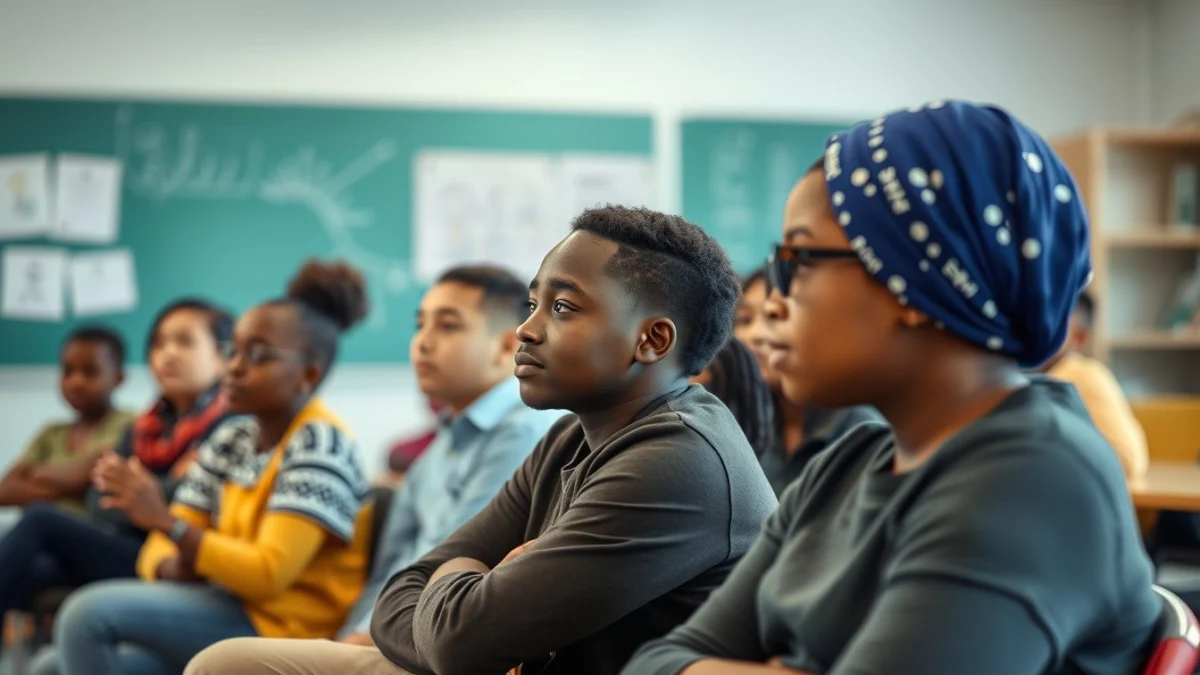
Children often feel strong emotions but do not yet know how to express or control them. As adults, we can teach them how to recognise feelings like anger, sadness, happiness, or frustration. We also show them how to respond calmly instead of acting out.
Ways to help children manage behaviour and emotions
- Set clear rules and routines: Children feel safe when they know what is expected. Simple rules like sharing toys or speaking kindly help guide their behaviour. Consistent routines also reduce anxiety and make it easier to manage emotions.
- Model calm behaviour: Children learn by watching adults. When you stay calm in stressful situations, you teach them to do the same.
- Talk about feelings: Use simple words to help children name their emotions. Ask questions like “Are you feeling sad?” or “What made you angry?” This helps them understand their own feelings.
- Teach problem-solving: Help children find solutions to problems instead of reacting with bad behaviour. For example, if a child is upset because a toy is taken, encourage them to ask for a turn or find another toy.
- Use positive praise: Notice and praise good behaviour and efforts to manage feelings. This encourages children to keep trying.
- Provide calming activities: When children are upset, activities like deep breathing, drawing, or quiet time can help them calm down and regain control.
- Be consistent with consequences: Calmly explain what happens when rules are broken. Fair and predictable consequences help children understand limits and take responsibility.
Remember, emotional regulation and good behaviour take time to develop. Be patient, supportive, and understanding as children learn these important skills. When children feel safe and understood, they are better able to manage their emotions and behave positively both at home and school.
By focusing on managing behaviour and emotional regulation from an early age, we set children up for success in their future relationships and challenges. These skills are the building blocks of healthy social and emotional development.
Live Scenario • Active Situation
You are a preschool teacher managing children’s behaviour during free play.
There is no single perfect answer. Choose what you would do in this situation.
