
Supporting Communication Skills in Children
How to Help Children Grow Their Communication Skills
Supporting communication skills in children is very important for their overall development. When children learn to communicate well, they can express their thoughts and feelings clearly. This helps them build good relationships with others and succeed in school and everyday life.
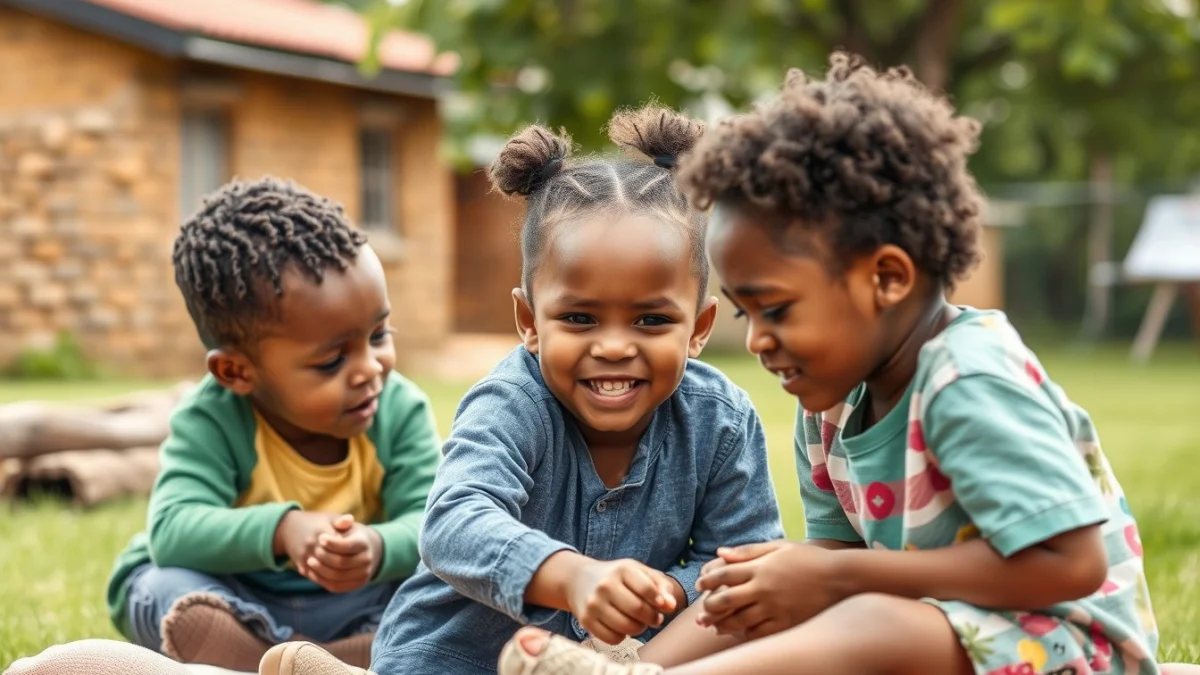
Young children start to communicate long before they can talk. They use sounds, gestures, facial expressions, and body language to show what they want or feel. Adults can support children by paying attention to these early signs and responding with care and patience.
Here are some practical ways to support communication skills in children:
- Talk with children often: Use simple words and sentences. Describe what you are doing and what the child is doing. This helps children learn new words and understand how language works.
- Read books together: Reading helps children hear new words and sounds. Choose colourful books with pictures and encourage children to point and name objects.
- Listen carefully: Show that you are interested in what the child says or tries to say. Give them time to express themselves without interrupting.
- Use gestures and actions: Support your words with gestures such as pointing or nodding. This helps children link words to meanings.
- Play and sing together: Singing songs and playing games with rhymes and repetition makes learning language fun and memorable.
- Encourage questions: Answer children’s questions and ask simple questions back. This creates a two-way conversation and improves thinking skills.
- Be patient and give praise: Encouraging children when they try to communicate builds their confidence and motivation.
Remember, every child learns communication skills at their own pace. Some children may need extra support if they struggle with speaking or understanding language. Early screening by a teacher or health worker can help identify children who need help early.
Good communication skills lay the foundation for learning to read and write later on. They also help children join in with others and feel part of a group. By supporting communication skills in children, adults play a very important role in helping children grow strong and ready for the future.
Live Scenario • Active Situation
You are an early childhood educator in a busy preschool classroom focused on supporting children’s communication skills.
There is no single perfect answer. Choose what you would do in this situation.
