
Language Acquisition in Early Childhood
Language Acquisition in Early Childhood is a vital part of a child’s growth. It refers to how young children learn to understand and use language naturally. From birth to around five years old, children pick up words, sounds, and grammar without formal teaching. This process shapes their ability to communicate, think, and connect with others.
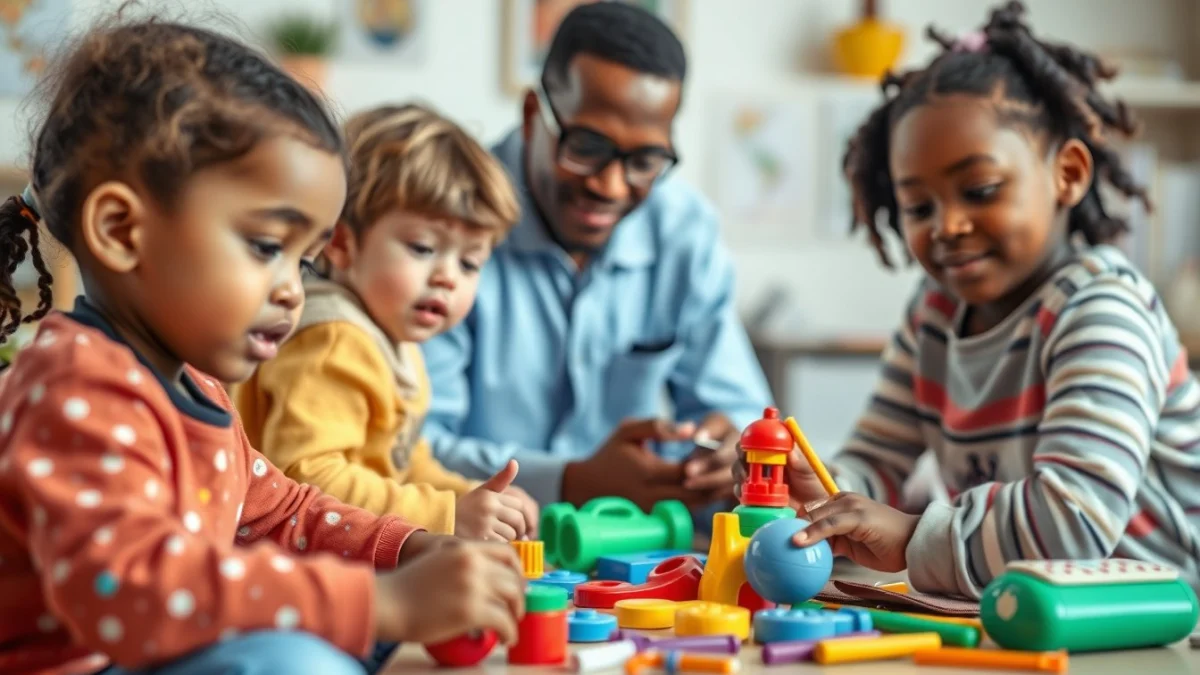
How Children Learn Language in the Early Years
In early childhood, language learning happens in stages. Babies start by babbling and making sounds. Around the first year, they say their first words. By age two or three, children begin combining words into simple sentences. As they grow, they learn more complex sentences and new vocabulary every day. This development depends on listening, practicing, and interacting with adults and other children.
Young children learn language best in an environment where they feel safe and motivated. Talking to them, reading stories, and singing songs help build their skills. Children also learn by watching facial expressions and body language, which adds meaning to words.
Important Factors for Strong Language Learning
- Interaction: Children need conversations with adults to practise language.
- Exposure: Hearing different words and sentences helps build vocabulary.
- Repetition: Repeating words and phrases makes learning easier.
- Support: Encouragement and correction guide proper language use.
- Play: Through play, children experiment with sounds and words.
Language skills grow alongside thinking skills, known as cognitive development. When children learn language, they also learn how to understand the world around them. This is why early language acquisition is important not just for speaking but for overall learning success.
Teachers and caregivers in South Africa should create rich language environments. This can include storytelling in isiZulu, Afrikaans, English, or any local languages. Using familiar cultural stories and daily conversation helps children relate and learn better.
Challenges like hearing problems, lack of stimulation, or limited interaction can slow down language learning. Early identification and support from speech therapists or educators can help children catch up and thrive.
In summary, Language Acquisition in Early Childhood is a natural but crucial skill. It needs attention and support from adults in a child’s life. By providing a mix of talk, play, and reading, we help children build strong communication skills that lay the foundation for future learning and success.
Live Scenario • Active Situation
You are an early childhood development worker at a childcare centre focusing on language acquisition.
There is no single perfect answer. Choose what you would do in this situation.
