Common Construction Site Hazards and How to Prevent Them
If you’re interested in safety at construction sites, understanding common site hazards is key. A free construction safety officer course with certificate in South Africa can teach you to spot risks and take action before accidents happen. This article breaks down typical dangers on South African sites, practical prevention steps, and common beginner mistakes you should watch for.

One confusing reality for beginners is how quickly hazards change during a workday. A spot that was safe in the morning might be dangerous by afternoon as construction shifts or equipment moves. Getting familiar with hazards early helps you stay alert under pressure and protect the people around you more effectively.
What You Need to Know First: The Most Common Construction Hazards
- Falls from height: Scaffolding, ladders, and roofs are frequent spots for falls, which cause most serious injuries.
- Electrocution: Exposed wiring or faulty equipment can lead to shocks or burns.
- Struck-by objects: Falling tools, moving machinery, and vehicles put workers at risk.
- Slip, trip, and fall: Uneven ground, debris, and wet surfaces frequently lead to injuries.
- Caught-in/between hazards: Getting caught between machinery or collapsing structures.
- Chemical exposure: Dust, fumes, or toxic chemicals without protective gear.
Each of these hazards appears regularly on South African construction sites. Early recognition and quick response prevent many accidents.
Understanding Construction Site Hazards: What Does It Mean in Practice?
Knowing about hazards isn’t just ticking boxes. It means constantly inspecting your site and adjusting safety measures. For example, if scaffolding is poorly secured, a fall could happen in seconds. Proper PPE like harnesses and helmets become life savers. You also need to read shifting site conditions, like weather changes making scaffolding slippery.
Construction safety officers are responsible for identifying these risks, assessing how severe they are, and ensuring controls are in place. They must also communicate hazards clearly to workers, who may be under time pressures or unfamiliar with certain dangers.
Hidden Reality: The Overlooked Risk of Small Hazards
Many beginners focus only on large, obvious risks. But smaller hazards—loose nails, tangled extension cords, or minor spills—add up. These “small” dangers cause many slip and trip incidents. Regular daily spot-checks help catch these before they become a serious problem.
Preventing Hazards: Practical Safety Steps on Site
Prevention is about layers of control. Here’s what you should do:
- Regular safety inspections: Walk through the site daily to spot new risks early.
- Maintain equipment: Faulty tools and machinery are common accident sources—check and repair them often.
- Clear walkways: Keep paths free from debris, cables, and spills.
- Use PPE correctly: Hard hats, steel-toed boots, gloves, and high-vis gear are standard but only protective if worn properly.
- Secure work at height: Use approved scaffolding and fall-arrest systems.
- Train workers: Safety awareness programs and regular briefings improve hazard recognition among all staff.
Workplace Scenario: A Day in a Safety Officer’s Footsteps
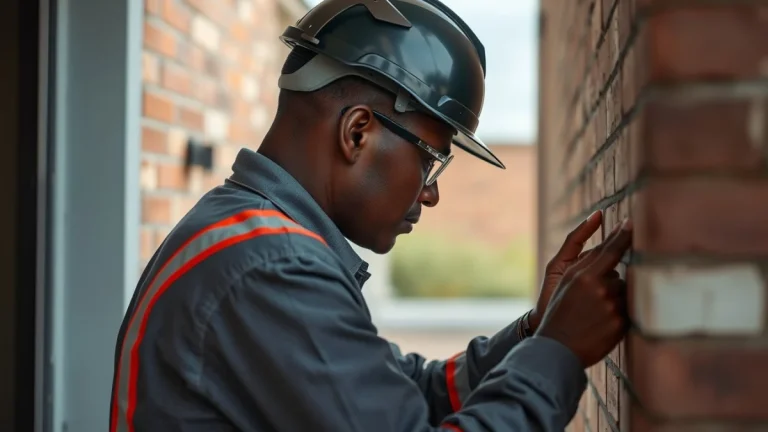
Imagine arriving on site early to inspect scaffolding before work starts. Spotting a loosened board, you immediately halt work and coordinate repairs. Meanwhile, you remind workers to wear harnesses where required and double-check emergency routes are clear. Throughout the day, you review risk assessments and respond to workers’ safety questions.
This hands-on approach stops accidents before they happen but requires vigilance and practical knowledge you can gain from focused training.
Common Beginner Mistakes When Handling Site Hazards
- Ignoring small hazards: Overlooking minor issues because they seem “not a big deal.”
- Relying solely on PPE: Assuming gear alone can protect against every hazard—engineering controls matter too.
- Poor hazard communication: Failing to brief or report hazards clearly to the team.
- Neglecting changing conditions: Not updating risk assessments as work progresses.
A free beginner construction safety officer course in South Africa can teach you how to avoid these pitfalls by combining theory with site-based scenarios.
What Beginners Usually Get Wrong About Construction Hazards
New safety officers often believe hazards are fixed and the same every day. In reality, the construction environment is dynamic. New materials arrive, heavy machines move around, and weather changes impact safety. Learning to anticipate and respond to these changes is critical.
Another common misconception is thinking paperwork or forms about hazards are enough. Actual risk reduction depends on action—such as fixing hazards, enforcing PPE use, and ongoing training.