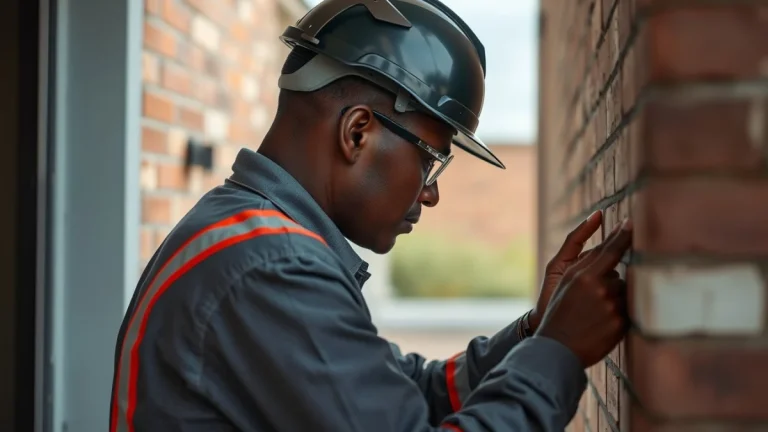
Common Building Maintenance Problems and How They Are Reported
If you’re starting out in facilities upkeep, knowing how to spot and report building maintenance problems is crucial. Our free facilities maintenance assistant course with certificate in South Africa prepares you for exactly this. Learning to identify the right issues early and communicate them properly saves a lot of hassle later.

Beginners often feel overwhelmed just walking into a busy site with multiple problems to juggle. Which ones need urgent attention? How do you clearly explain faults without sounding unsure? In South African workplaces, you might face unclear reporting lines or lack of proper tools. This confusion happens often but can be overcome.
What Happens When Maintenance Problems Get Missed or Mistreated?
Imagine walking onto a site where a leaking pipe has been dripping for weeks but wasn’t reported correctly. The ceiling gets water damage, workers complain, and what started as a small fix now needs expensive repairs. Problems grow quietly if your reports are vague or delayed.
Missing the right details in your reports wastes time and frustrates everyone. Supervisors might not act quickly because they don’t see the full picture, and the risk to safety or building damage grows. This is a common challenge for beginner facilities maintenance assistants in South Africa.
Why Do Maintenance Issues Often Go Unnoticed or Unreported?
- Lack of clear inspection routines: Without regular checks, problems slip past unnoticed.
- Poor communication skills: New assistants may struggle to describe technical faults simply and clearly.
- Confusing reporting processes: Not everyone knows where or how to report issues on site.
- Overlapping duties: Assistants may get pulled into unrelated tasks and lose focus on key maintenance rounds.
Common Causes of Building Maintenance Problems
Understanding what causes common building issues can help you spot them faster. Here are typical causes assistants face in South African facilities:
- Wear and tear: Doors sticking, lights flickering, or HVAC underperforming due to age.
- Water leaks and plumbing faults: Burst or loose pipes, blocked drains, or dripping taps.
- Electrical faults: Tripped circuits or damaged cables from weather or overuse.
- Structural cracks or damage: Walls and windows affected by settlement or weather.
- Poor cleaning or waste management: Leads to blocked gutters or pest issues.
Mistakes Beginners Often Make with Reporting and Maintenance
Skipping Details or Using Vague Descriptions
It’s tempting to write a quick, simple note like “leak in kitchen.” But without specifics — where exactly, severity, what’s affected — maintenance teams can’t prioritise well. Always note exact location, the extent of damage, and any immediate risks.
Waiting Too Long to Report
Some beginners hope small issues will fix themselves or get distracted by other tasks. Delays often mean the damage grows or affects other systems. Adopt a habit of reporting faults the moment you discover them.
Not Using or Understanding the Reporting Tools
Every workplace has its own way to track faults — logbooks, apps, or email systems. New assistants should spend time learning these tools instead of improvising, which leads to lost or delayed reports.
Practical Tips to Improve Maintenance Reporting at Work
Use a Clear Checklist Every Time You Inspect
Have a consistent checklist that covers key areas — plumbing, electrical, HVAC, building structure, waste disposal. This helps you catch recurring problems early and speeds up inspections.
Take Photos When Possible
Images add clarity to your reports. A picture of a leaking ceiling or damaged electrical panel immediately shows the issue better than words alone.
Learn Basic Fault Diagnosis
Knowing a bit about what causes common faults helps you communicate more confidently. For example, understanding that a tripped breaker could come from a short circuit means you can describe a safety hazard rather than just an “electrical problem.”
Follow Up on Your Reports
Check back with the maintenance team or supervisor to see if an issue has been addressed. This feedback loop builds trust and sharpens your reporting skills.
Setting Realistic Expectations for Facilities Maintenance Assistants
Getting everything ‘perfect’ right away is a common rookie worry. In reality, you’ll learn on the job which problems matter most and how your team handles reporting. Some days will involve fire-fighting urgent repairs; others will be routine monitoring.
Don’t expect to know all electrical or plumbing details immediately. Your job is to notice, describe, and report accurately. Trust that the skilled tradespeople will handle technical fixes. Your value is in helping keep the process moving smoothly.
Building Confidence: What Actually Helps on the Job
Confidence grows with experience but also with preparation. A free facilities maintenance assistant course in South Africa, like the one offered by EduCourse, gives you a solid foundation.
Through simple lessons on safety, tool use, reporting, and basic building systems, you gain the vocabulary and skills to communicate clearly. These basics reduce the common beginner fear of missing important faults or looking unprepared to supervisors.
If you focus on clear, timely reporting and learn to use checklists and photos, your work will stand out as reliable. Over time, you’ll spot problems earlier and feel less stress about “what if I miss something?”