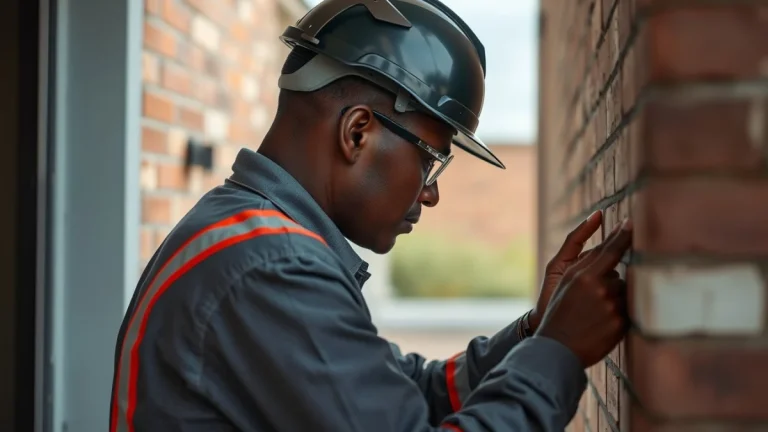
Can a Construction Safety Officer Certificate Help You Find a Job?
If you’re looking at a career change, a free Construction Safety Officer Course with Certificate in South Africa can be a smart starting point. Construction safety officers play a direct role in keeping workers safe on busy sites, which means they’re crucial in every project. Having a certificate proves you understand key safety rules and how to spot dangers before accidents happen. For new learners, it’s not just theory — passing this course shows you are ready to be an active player on site.

Many beginners worry if a short online construction safety officer course South Africa offers will actually help land work. It’s common to underestimate how much hands-on responsibility safety officers take. They’re not just enforcing rules—they live the pressure of spotting a missing hardhat or a risky scaffold while deadlines loom. This role can be a day’s juggle between paperwork and active risk checks, which many new candidates don’t expect at first.
What the Role Involves
A Construction Safety Officer oversees safety on building sites. They identify hazards like loose wiring, exposed edges, or unsafe machinery. Their days are a mix of talking to workers, conducting safety inductions, overseeing PPE use, and filling out inspection reports. They also handle emergencies, manage accident investigations, and liaise with site managers to correct unsafe conditions.
One common misconception is that the safety officer role is supervisory from a distance, but in reality, it’s very hands-on. For example, a safety officer might spend hours checking scaffolding compliance or training a new worker on emergency exits instead of just ticking checklists.
Skills Needed
- Attention to detail: Spotting subtle hazards before they cause accidents can save lives.
- Communication: You must clearly explain safety rules and hold everyone accountable.
- Problem-solving: React fast when a safety issue arises—especially during busy or stressful moments on site.
- Organisational skills: Managing reports, records, and training schedules is part of the job.
- Basic First Aid knowledge: Assisting during incidents is often required.
A practical insight is that being a safety officer often means following up repeatedly with contractors who cut corners, which can be frustrating but necessary to prevent accidents.
Qualifications and Learning Path
The starting point is usually a free beginner construction safety officer course free South Africa offers, such as the one from EduCourse. This course covers PPE essentials, risk assessments, accident management, and South African legal requirements. Completing it online means you can study at your own pace and receive a certificate showing your knowledge of workplace safety basics.
Although a free construction safety officer certificate course free South Africa provides key knowledge, employers often prefer candidates who combine it with some site experience or other trade skills. The course from EduCourse balances theory with practical application, making it a good entry step before gaining on-site training or further safety qualifications.
Industries Hiring Construction Safety Officers
Construction safety officers are mostly found in:
- Building and civil engineering sites
- Mining projects requiring strict safety protocols
- Road construction and infrastructure development
- Black economic empowerment and private building firms
Due to ongoing construction across South Africa, especially in urban expansion areas and government projects, demand fluctuates but remains steady in certain regions. Some companies prefer candidates with an online construction safety officer course with certificate South Africa trust, which means a free online certification can open doors.
Career Growth Opportunities
Starting as a site safety officer, you can advance by gaining experience and new qualifications. Over time, roles include:
- Senior Safety Officer — leading safety teams on larger projects
- Safety Manager — handling multiple sites or projects
- Specialist roles in risk management or environmental health and safety
- Trainer or Safety Consultant, teaching new safety officers or advising firms
Keeping your learning updated through continuous development matters. Many fall behind in workplace safety trends and lose chances to move up. The course from EduCourse provides a solid foundation to build on.
Salary Expectations
Entry-level construction safety officers in South Africa typically earn between R7,000 and R12,000 per month, depending on location and employer. With experience, monthly salaries around R15,000 to R25,000 are common. Senior roles or specialized safety consultants can earn more.
Keep in mind, many beginners overestimate starting salaries and underestimate that your first months might involve site visits and safety inspections under supervision rather than running the safety program solo.
Future Opportunities and Industry Trends
Construction sites increasingly use technology like digital safety checks, wearable sensors, and reporting apps. Safety officers familiar with these tools are becoming more in demand. Also, stricter government safety regulations mean companies seek certified professionals to avoid fines and legal problems.
Training providers that mix digital learning with on-site practical exercises tend to better prepare you. The free construction safety officer course with workplace focus South Africa offers reflects these realities, helping learners face South African construction site challenges realistically.
Beginner Tips for Entering the Field
- Take a course like EduCourse’s free Construction Safety Officer Certificate Course to build your knowledge and receive certification.
- Try to gain practical experience, even as a volunteer or trainee on a site, to complement your training.
- Learn the specific safety laws and regulations applied in South Africa, not just generic safety concepts.
- Network with site managers and current safety officers to understand daily challenges and expectations.
- Stay patient—advancement depends on experience and proven reliability in enforcing safety.