What Inclusive Education Means in South Africa
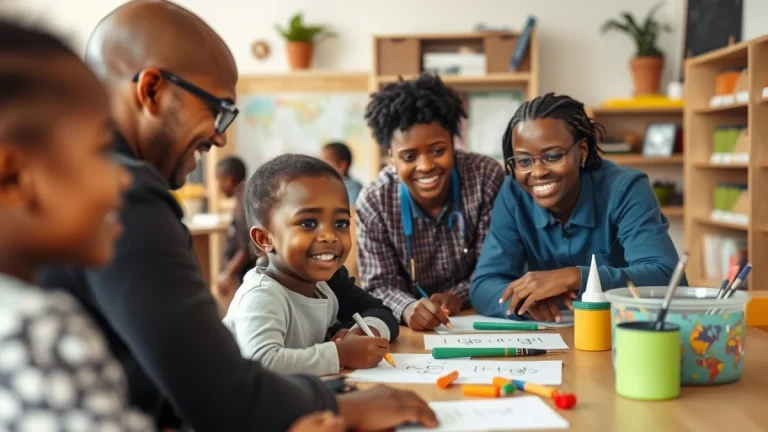
Inclusive education means creating classrooms and schools where every learner feels they belong, regardless of their background, ability, or needs. It’s about giving all learners access to the same quality education, with support tailored to them. For South African learners and educators, this approach is more important than ever as our schools reflect a wide range of languages, cultures, and abilities.
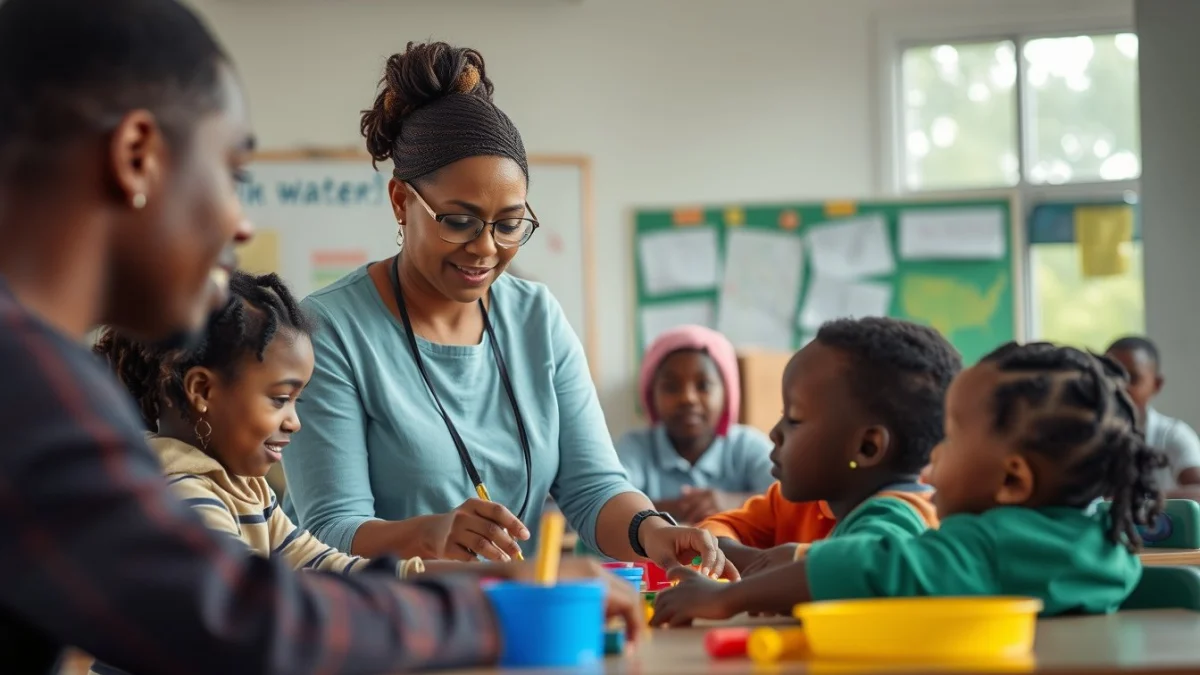
Many beginners think inclusive education only means allowing learners with disabilities into mainstream classes. But it goes much further—covering social, emotional, and academic inclusion for all. A practical challenge at schools is balancing the diverse needs of learners without enough staff or resources. This often leads to support workers juggling tasks from adapting learning materials to managing behaviour, all in a busy classroom setting. Understanding the full meaning of inclusive education helps educational support workers know why their role is vital and what real support looks like.
What Inclusive Education Looks Like Practically
Inclusive education means:
- Recognising each learner’s unique strengths and challenges.
- Adapting teaching methods to suit different learning styles.
- Creating an environment where learners with special educational needs (SEN) learn alongside others.
- Providing emotional and social support to encourage participation and confidence.
- Involving parents, educators, and support workers in a united effort.
In South African classrooms, this often means support workers help learners follow lessons by breaking instructions down or using alternative communication methods. It can also involve assisting during group work or helping teachers spot when a learner is struggling hidden behind silence or behaviour.
Why Inclusive Education Matters in the Workplace
Inclusive education opens doors for all learners in South Africa to succeed and participate in society without barriers. Educational support workers are key players in making this happen. Without proper support, learners with barriers risk falling behind or feeling excluded.
A common misunderstanding is that inclusion lowers standards. In reality, inclusive education pushes everyone to find creative ways to teach so that every learner can reach their potential. When learners feel included, they are more motivated and perform better. For support workers, this means their everyday actions directly influence learner progress and self-esteem.
What Inclusive Education Really Means for Educational Support Workers
As an educational support worker, your role is hands-on and broad. You don’t just assist with academic tasks but also bridge communication between educators, learners, and parents. This may include:
- Helping learners with reading or writing difficulties adapt to classroom work.
- Supporting learners with SEN by implementing inclusion strategies.
- Managing behavioural challenges with positive, respectful techniques.
- Keeping accurate records of learner progress and concerns.
- Communicating observations that help teachers adjust lessons.
One overlooked part of inclusion is how much emotional support matters. Quietly boosting confidence or encouraging a shy learner can change how much they engage. Yet, beginners often miss this and focus only on academic tasks.
A Real Workplace Scenario
Imagine a Grade 4 classroom where a learner with mild hearing loss struggles to follow verbal instructions. The support worker notices this learner often looks confused or frustrated but hesitates to interrupt the lesson. Applying inclusive education, the support worker asks the teacher for permission to use visual aids and gestures during explanations. They also quietly check in with the learner one-on-one to reinforce instructions after class. This simple adjustment prevents the learner from falling behind and feeling isolated.
This example shows how inclusive education is practical, flexible, and learner-centred. It’s less about strict rules and more about responding meaningfully to real needs in South African schools.
Common Beginner Misunderstandings in Inclusive Education
- Inclusive education means lowering expectations: Actually, it means adapting teaching so all learners can meet high goals in ways that suit them.
- Only learners with disabilities need support: Many learners face barriers, from language to social challenges, and inclusion covers all.
- It’s the teacher’s job alone: Support workers are essential team members, often the ones who notice small changes or struggles first.
- Inclusive classrooms must be perfect: Inclusion is a continuous effort, not a finished product. Real classrooms have challenges and trial and error.
Beginner Advice for Educational Support Workers in Inclusion
- Listen carefully to both learners and teachers. Your observations inform better support.
- Be patient—adjustments take time before results show.
- Don’t be afraid to ask for guidance about special needs or behavioural strategies.
- Keep notes on what works and what doesn’t during lessons.
- Always respect each learner’s dignity and privacy.