Social and Emotional Development in Children: What to Know First
Social and emotional development is how children learn to understand their own feelings and those of others. It shapes how they build relationships, control their behaviour, and respond to everyday situations. For anyone interested in early childhood, this is a key part of development that affects a child’s overall growth. If you want to learn more about this, the Free Child Development Fundamentals Course with Certificate in South Africa covers this topic carefully and in a beginner-friendly way.
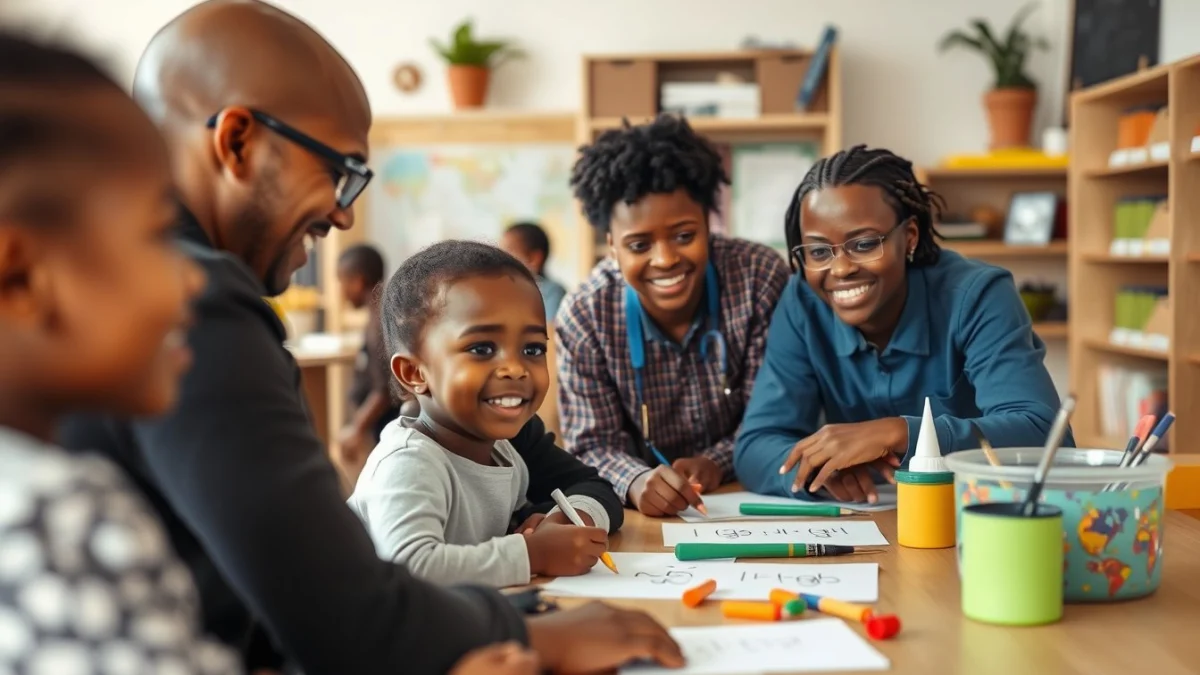
Many beginners in child development struggle with how closely linked social and emotional growth are to behaviour in the real world—especially in South African childcare settings, where classroom sizes, varied home backgrounds, and different languages can make social skills and emotional wellbeing harder to support. It’s not just about “teaching manners” or “controlling emotions”; it’s about understanding why children act certain ways and helping them find healthier ways to cope and connect.
What Social and Emotional Development Looks Like in Practice
Social and emotional development starts from early infancy and builds with each interaction. Here’s a clear way to see what’s involved:
- Emotional Growth: Children learn to recognise their own feelings such as happiness, anger, or fear. They also begin to manage emotions, for example, calming down after being upset.
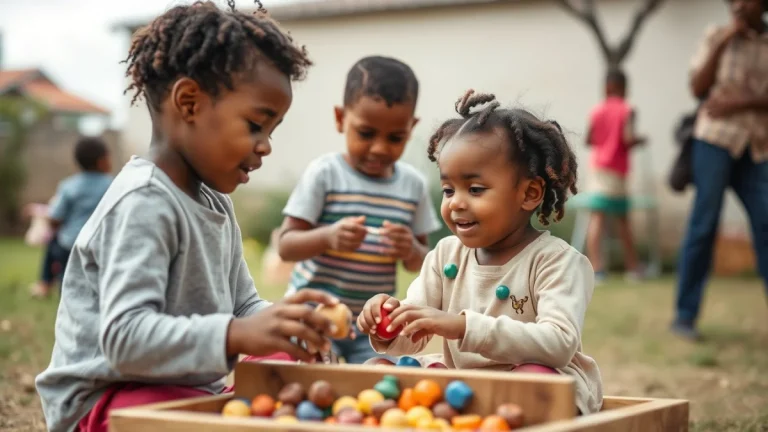
- Social Skills: This includes sharing, taking turns, forming friendships, and cooperating with others. Children practice these in home and school environments.
- Emotional Regulation: The ability to control impulses and behave appropriately according to the situation, like waiting patiently or expressing frustration without outbursts.
At work—whether in an early learning centre, foster care, or a community project in South Africa—you will often meet children who struggle with emotional regulation due to trauma, inconsistent care, or just normal development. This can cause conflict or withdrawal, so knowing how to guide children gently is vital.
Why Social and Emotional Development Matters at Work
In childcare roles, knowing social and emotional skills is not optional. When overlooked, children may act out, develop anxiety, or fall behind socially. This makes teaching and care harder and can lead to high stress for workers who face behavioural challenges daily.
Workplaces that focus on child emotional wellbeing often see calmer classrooms and happier children. This starts with adults recognising early warning signs and responding with empathy and well-reasoned behaviour management.
For example, a beginner caregiver might expect a child to immediately follow instructions, but a child still developing emotional regulation may need repeated guidance and patience. Without this understanding, workers often get frustrated and miss chances to build trust.
Key Parts of Social and Emotional Development Explained
Emotional Awareness
Children first notice physical feelings connected to emotions—like a racing heart when scared. Helping children label these feelings teaches awareness. For instance, saying “You look upset because you dropped your toy” helps the child connect the feeling to words.
Self-Regulation
Learning to manage strong emotions and behaviours is skill-building over time. It’s normal for toddlers to throw tantrums; supportive adults help them move from outbursts to calmer responses.
Social Interaction Skills
These show up as sharing, playing together, following simple rules, and resolving small conflicts. South African classrooms with limited resources often face challenges here, so creative approaches aid learning. For instance, using role-play or storytelling to teach empathy.
Empathy and Understanding Others
As children develop, they begin to recognise others’ feelings. Encouraging kindness and respect strengthens this. Simple instructions like “How do you think your friend feels?” build understanding.
Common Beginner Mistakes and Misunderstandings
- Expecting too much too soon: Emotional regulation takes years. Pressuring children to “just behave” ignores their developmental stage and can harm trust.
- Ignoring the role of trauma and environment: Especially in South Africa, many children face challenges (like poverty or family instability) that affect emotional wellbeing. Treating behaviour problems without considering this context leads to frustration.
- Mixing behaviour control with emotional support: Being strict without empathy can increase anxiety and worsen behaviour, but overindulgence without boundaries also causes issues.
- Skipping the social part: Emotional skills go hand in hand with social interaction. Poor peer relationships can heavily impact confidence and learning.
Practical Example: Handling Emotional Outbursts in a Childcare Centre
Imagine a child in your care suddenly has a tantrum after playtime. This happens often, but what next?
- Step 1: Stay calm and speak softly to help the child feel safe rather than scold them immediately.
- Step 2: Help the child name the emotion: “You seem angry because it’s time to stop playing.”
- Step 3: Offer simple choices to give the child some control, like “Would you like to sit on the mat or play with quiet toys?”
- Step 4: Praise efforts to calm down, reinforcing that self-control is valued.
This approach respects the child’s feelings while guiding behaviour, building stronger emotional skills and trust.
Tips for Beginners: Building Social and Emotional Skills
- Observe children closely. Notice what triggers mood changes or social withdrawal.
- Use everyday routines to teach sharing, turn-taking, and expressing feelings.
- Be consistent with rules but flexible with emotions.
- Model calm and respectful behaviour yourself.
- Ask caregivers about children’s home life to understand possible influences.
- Encourage play that involves cooperation to practice social skills.