What Affects How Children Develop?
Many people wonder what factors shape a child’s growth and learning. The answer matters a lot — especially if you work with children in South Africa or want to improve your caregiving skills. Factors like health, family environment, and early experiences play a huge role in child development. If these go missing or are ignored, kids can fall behind, struggle socially or emotionally, or face learning challenges.

For beginners, it’s common to think child development follows a strict timetable and that all kids grow the same way. In reality, development varies widely depending on multiple influences. In South African workplaces — daycare centres, schools, or community programmes — caregivers often miss subtle warning signs or misunderstand how environment shapes growth. This course on Child Development Fundamentals can help you spot these factors and understand their real impact on young kids.
Key Factors Influencing Child Development
1. Physical Health and Nutrition
Physical growth sets the groundwork for everything else. Children need proper nutrition to build strong muscles, brains, and immune systems. Poor diet, common in some South African communities, slows growth and delays motor skills like crawling or walking.
Caregivers often overlook how vital consistent meals are for development. Even small deficits in vitamins or protein hurt brain function, focus, and energy. So, health checks and feeding routines are part of any child development support.
2. Family and Home Environment
Family life shapes emotional and social skills. Warm, responsive care builds trust and confidence. On the other hand, unstable homes, stress, or lack of attention can slow emotional growth and cause behaviour issues.
What often confuses beginners is the wide variety in family setups. Extended families, community childminders, or single-parent homes all influence development differently. Understanding the child’s living context helps tailor support better.
3. Early Learning and Stimulation
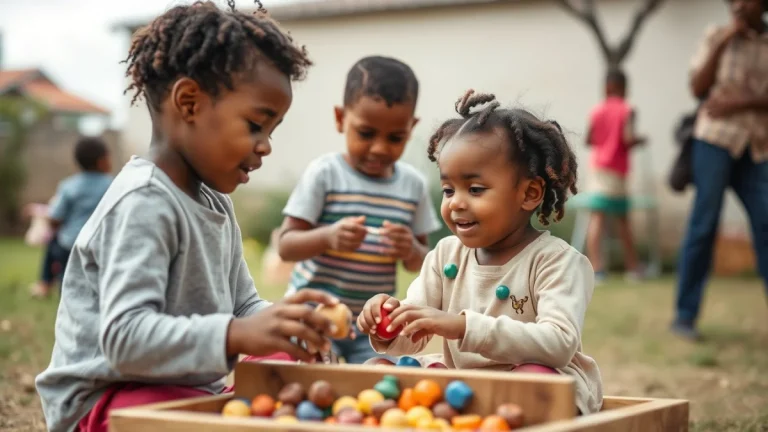
Playing, talking, and reading with children improves their language and cognitive skills. Stimulating environments encourage problem solving and creativity. In South Africa, lack of learning materials or quiet space can limit these chances, especially in crowded homes.
A common workplace reality is juggling child supervision and teaching. Knowing realistic ways to include play and conversation, even in busy settings, makes a big difference.
4. Social and Emotional Interactions
Children learn to manage emotions and relate to others through interactions. Positive peer play and caregiver support build social skills. But early trauma or neglect can create emotional blocks, sometimes showing as behaviour problems.
Many beginners miss the important role adults play in modelling emotional regulation and empathy. It’s not just about children’s behaviour but guiding it thoughtfully.
5. Health and Safety Conditions
Safe environments free of hazards allow children to explore confidently. Access to healthcare and immunisation reduces illness-related setbacks. In workplaces or home settings, ensuring cleanliness and injury prevention is vital but often underappreciated.
A surprising insight is how even minor accidents or recurring illnesses can disrupt developmental progress, delaying milestones.
Why Does This Matter in South African Workplaces?
Whether you’re a childcare worker, teacher, or early childhood programme assistant, understanding these factors helps you support kids better. For example, spotting signs of poor nutrition or emotional distress early means you can alert families or suggest interventions before delays become severe.
Many workplaces expect staff to juggle teaching, caregiving, and observation under pressure. Without clear knowledge of what affects development, learners may feel overwhelmed or make mistakes. For instance, confusing behaviour from stress for deliberate defiance is common and can lead to harsh discipline rather than support.
Everyday Example: Managing Behaviour in a Busy Childcare Setting
Imagine a daycare assistant in a busy Johannesburg centre with a mixed group of toddlers. One child is withdrawn and refuses to play. A beginner might just think the child is shy or naughty. But knowing the factors that affect social and emotional growth, the assistant recognises the child could be stressed at home or missing social encouragement.
This understanding guides a different approach — gentle engagement, more one-on-one time, and involving parents. Without grasping development factors, the child’s needs might be missed, causing ongoing social problems or delayed confidence to communicate.
Common Misunderstandings and Mistakes
- Thinking Development Is the Same for Every Child: Beginners often expect all children to hit milestones simultaneously. Missing this leads to unnecessary worry or ignoring real delays.
- Ignoring Environment’s Impact: Development is not just biological but heavily influenced by surroundings—family stress, nutrition, and learning opportunities.
- Misreading Behaviour: Viewing acting out only as misbehaviour instead of signs of emotional or social struggle.
- Overlooking Health Factors: Poor hygiene or illness aren’t just health issues but also affect learning and growth pace.
Tips for Beginners Supporting Child Development
- Observe children carefully, noting any missed milestones or unusual behaviours.
- Encourage parents and caregivers to share information about home life and health.
- Integrate simple play activities that encourage physical, cognitive, and social skills.
- Maintain safe, clean environments for children to explore.
- Seek further learning about developmental stages and practical childcare skills.