Child Development Stages Explained: What to Know First
If you want to understand how children grow and change, knowing the stages of child development is key. This article breaks down the main stages simply and clearly. It helps you grasp what happens physically, mentally, socially, and emotionally as kids grow from babies into young children. Whether you’re a parent, caregiver, or learner in South Africa looking for a free child development fundamentals course with certificate in South Africa, this guide is the starting point you need.

Beginners often get stuck on why these stages matter beyond theory. In real South African workplaces—like early childhood centres or community programmes—knowing the stages helps you spot if a child is on track or needs support. For example, a tutor or support worker might notice a child who doesn’t speak as much as others their age. Without understanding these stages, it’s easy to assume all kids develop at the same pace, when that’s not true. Missing this can delay help or confuse caregivers, which can affect the child’s progress.
Understanding Child Development Stages: The Basics
Child development stages outline typical patterns of growth and change. These usually split into four main areas:
- Physical development: Changes in size, strength, coordination, and movement skills.
- Cognitive development: Thinking skills, language learning, memory, and problem-solving.
- Social development: Learning to interact with others, making friends, and cooperation.
- Emotional development: Understanding feelings, managing emotions, and building self-awareness.
These domains don’t happen in isolation – they overlap and affect each other. For example, a child’s ability to play with others (social) connects with how emotionally confident they feel and how physically able they are to join in.
Key Age Stages
- Infancy (0–2 years): Rapid physical growth, first words, early social smiles, and emotional bonds.
- Early childhood (3–5 years): Improving coordination, language explosion, playing with peers, understanding emotions.
- Middle childhood (6–8 years): Refining motor skills, school learning starts, friendships deepen, self-regulation grows.
Each child will hit milestones within these ranges but small variations are normal. The important thing is noticing steady progress over time.
Why Child Development Stages Matter at Work
In South Africa, workplace roles like early childhood assistants or community youth workers need basic training in child development. This helps people:
- Recognise when children meet age-appropriate milestones.
- Spot delays or challenges early, so interventions can start.
- Choose suitable activities that match children’s abilities.
- Create safe and supportive environments sensitive to emotional needs.
Imagine working in a crèche and noticing a three-year-old struggling to hold a crayon or say simple words. Without training, you might think they’re “just slow”. But with knowledge, you’d know this could signal a fine motor delay or speech difficulty worth addressing. This prevents frustration for both child and caregiver, and keeps learning on track.
Common Beginner Mistakes about Child Development Stages
One big misconception is expecting every child to progress exactly on schedule. For example, some learners think all 4-year-olds must handle full sentences or run perfectly. When kids vary, this causes unnecessary worry or incorrect judgments.
Another hidden mistake is overlooking the role of the environment. Child development doesn’t happen in a vacuum. Nutrition, safety, emotional support, and stimulation all impact how children grow. For instance, a child in a low-resource community might reach physical milestones slower due to poor nutrition, not cognitive delays.
If this isn’t considered, a worker may wrongly diagnose or fail to support the real needs.
How Child Development Looks Day-to-Day
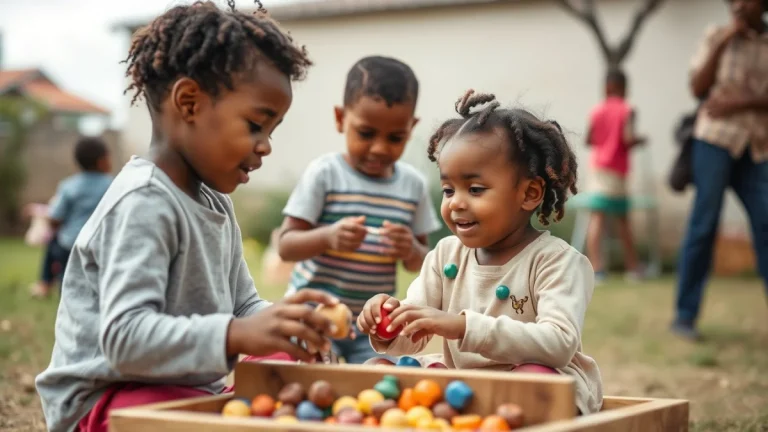
Working with children means seeing these stages in real time—often messier than written lists suggest. You might spend a morning trying to encourage a shy toddler to join group play, while another child is racing around testing physical limits.
In practice, this means adapting your approach constantly. You might:
- Use simple words and gestures to build language skills for a quiet child.
- Offer safe spaces to explore motor skills, like climbing or drawing.
- Watch how children handle sharing toys to understand social growth.
- Help children name feelings (“I’m angry”) to support emotional development.
It’s also common to balance progress with setbacks—like illness or emotional upset—which can temporarily slow development. Patience and ongoing observation matter more than strict milestone checking.
Practical Advice for Beginners Learning Child Development
Start with recognising the four developmental areas instead of memorising milestones. Watch children closely in different situations—playing, eating, talking—and note how they respond.
Don’t expect perfect progress. Focus on steady improvement and ask questions if you notice persistent delays over weeks. Resources from South African community health organisations can support your understanding of local needs.
Finally, practise communicating calmly with caregivers about what you observe. It’s respectful and helpful to share concerns gently, avoiding labels or panic.