What Inclusive Education Means in South African Schools
Inclusive education is about making sure every learner, no matter their background or needs, gets support to succeed in school. In South Africa, this means schools work to include learners with different abilities, learning styles, and challenges alongside their peers. For educational support workers, this approach shapes how they assist learners and teachers daily. Right away, you need to know inclusive education goes beyond simple access. It’s about adapting classrooms, teaching methods, and resources so every learner can participate fully. Often, beginners expect inclusive education to be handled mostly by teachers, but in reality, educational support workers play a key role helping learners overcome barriers and feel part of the class. A typical day for an educational support worker in South Africa can involve guiding a learner with reading difficulties while teachers handle the lesson, or adjusting activities so a learner with hearing impairment can join in. These moments require quick thinking—missing small signs of frustration or confusion can leave learners behind or feeling isolated.
Why Inclusive Education Matters for Learners and Schools
Inclusive education is about fairness and preparing all learners for life, not just exams. It helps learners develop socially while gaining confidence and knowledge. For schools, adopting this approach means creating an environment where everyone is valued. The presence of an educational support worker helps make this possible by easing pressure on teachers and offering targeted learner assistance. However, many newcomers to educational support work get overwhelmed by the variety of needs in a classroom. Trying to treat all learners the same or ignoring emotional and social challenges can make support less effective. That’s why the right training — like a free educational support worker course with certificate in South Africa — is important to understand the many sides of inclusion.
Core Components of Inclusive Education in South African Schools
Inclusive education involves several key parts:
1. Understanding Learners’ Diverse Needs
Learners could have physical disabilities, learning barriers like dyslexia, or social challenges. Recognising these early and adapting support is crucial. For example, a quiet learner might struggle in group work and need encouragement to participate.
2. Adjusting Teaching and Learning Materials
This means using different types of resources: visual aids for learners who struggle with reading, or simple language instructions for beginners. Educational support workers often help prepare and tailor these materials.
3. Collaboration Between Educators, Parents, and Support Workers
Communication is key. Support workers regularly speak with teachers and parents to understand what works best for a learner. Maintaining professional boundaries and confidentiality while sharing useful information is part of the role.
4. Promoting Social Inclusion
Helping learners feel accepted in their class and promoting peer relationships can reduce isolation and build confidence. Support workers may organise or encourage inclusive activities and positive behaviour in the classroom.
5. Focus on Emotional and Behavioural Support
Many learners face emotional challenges that affect learning. Educational support workers use positive behaviour support techniques and learn when to escalate issues to teachers or specialists.
How This Looks in a Real South African Classroom
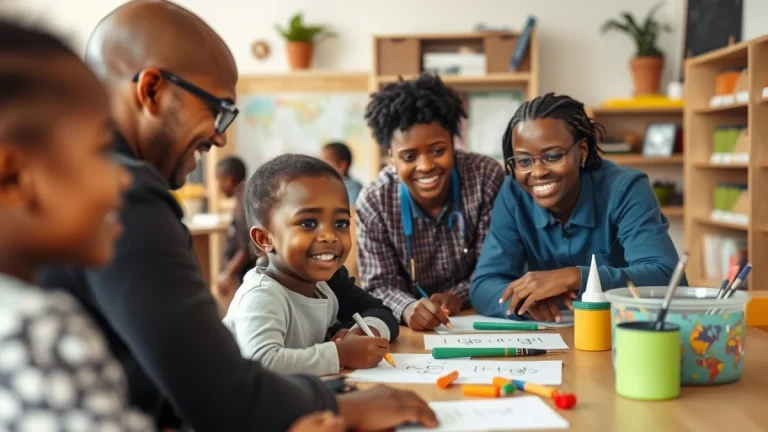
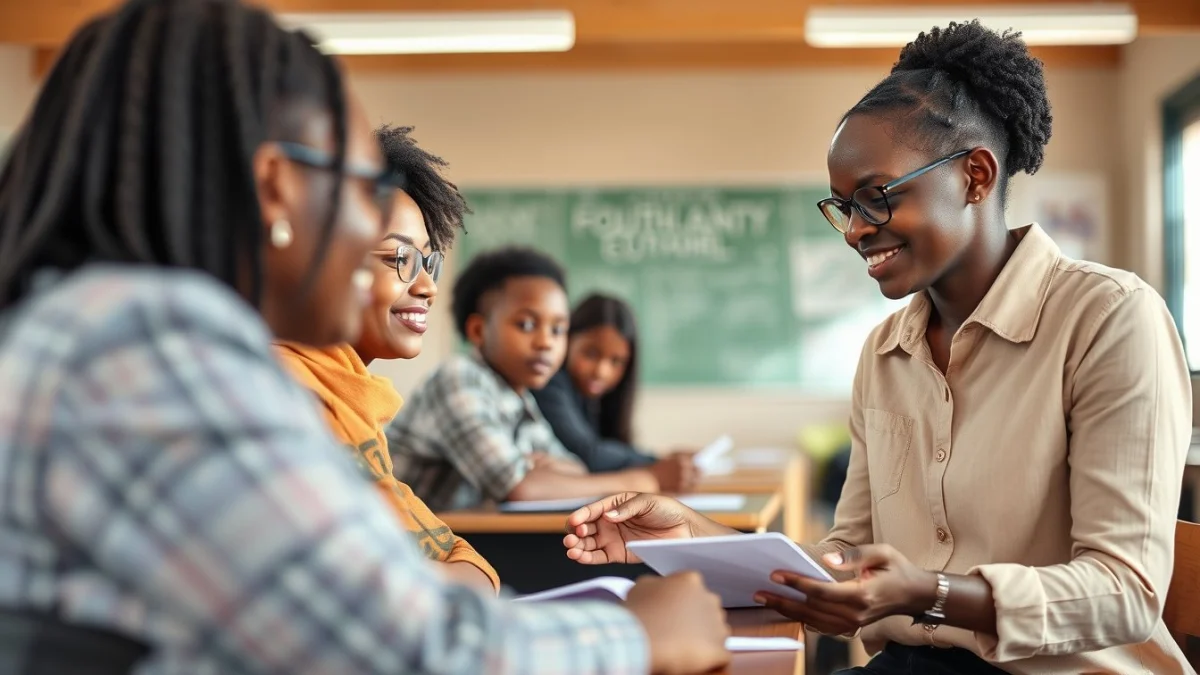
Imagine a classroom where a learner with a hearing impairment is sitting near the front, with an educational support worker helping translate sign language and managing noise levels. Meanwhile, another learner with reading barriers is paired with the support worker to break down reading tasks into smaller steps. In practice, the support worker listens carefully—not just to spoken words but to body language. They may notice a learner withdrawing during group work and gently encourage participation without pushing too hard. Mistakes often happen when support workers try to ‘fix’ learners rather than empower them. For example, doing tasks for learners instead of guiding them damages independence and confidence over time. Good training highlights the balance between support and learner autonomy. Here, the support worker also keeps detailed notes on progress and challenges, ensuring accurate record keeping without breaching confidentiality. These records help track growth and adjust strategies regularly.
Common Misunderstandings About Inclusive Education Support
– Misconception: Inclusive education means learners with disabilities get separate special classes. Reality: Inclusion means learners with diverse needs learn together as much as possible, with support tailored inside the mainstream classroom. – Misconception: Support workers only help with academic tasks. Reality: Emotional, social, and behavioural support are equally important to keep learners engaged and safe. – Misconception: Inclusive education happens naturally without planning. Reality: It requires deliberate collaboration, resource adaptation, and continuous learning by everyone involved.
Advice for Beginners in Educational Support Work
– Listen more than you speak. Understanding learners’ challenges comes first. – Learn basic communication skills—for example, simple language and body language awareness. – Practice patience. Progress can be slow, so celebrate small wins. – Keep clear, confidential records of observations and support given. – Work closely with teachers and parents. Your role complements theirs. – Use free beginner educational support worker training in South Africa to build confidence and skills before starting work.