Quick Answer
First aid is the immediate care you give to someone who is hurt or suddenly sick. It helps save lives, prevent injuries from getting worse, and keeps people stable until medical professionals arrive. Learning first aid gives you the confidence to act safely and effectively in emergencies, whether at home, work, or in public.
Many beginners worry they won’t know what to do in a real emergency. Doing a first aid course, especially one with a certificate in South Africa, gives you practical skills and clears up confusion about how to respond calmly and correctly when seconds count.
What Exactly Is First Aid and Why Is It Important?
First aid means giving quick, simple help during an accident or sudden illness. Your goal is to keep the person safe, help them breathe and stay stable, and manage bleeding or other injuries to keep them alive and comfortable.
Emergencies don’t wait for trained professionals to show up — often you are the first person on the scene. Knowing basic first aid means you can act fast and avoid making the situation worse. In workplaces across South Africa, first aid knowledge is not just useful—it’s often needed to meet safety rules and protect co-workers.
How First Aid Works: What You Should Do
The very first thing to do is make sure you’re safe. Don’t rush in without checking the environment for risks like fire, traffic, or electrical hazards. Then, check the person’s condition:
- Are they awake and responsive?
- Is their airway clear so they can breathe?
- Are they breathing normally?
- Do they have severe bleeding or obvious injuries?
If something life-threatening is happening, like blocked airways or heavy bleeding, you need to act immediately. This might mean giving CPR (heart compressions and rescue breaths), putting pressure on wounds to stop bleeding, or helping someone who is choking.
Always call emergency services (such as 10177 in South Africa) as soon as you can or ask someone else to call. Communicating clearly with ambulance operators can get help there faster.
Common First Aid Skills Anyone Should Know
Some first aid skills come up in almost every emergency. These include:
- CPR: Learn how to safely perform chest compressions and rescue breaths. CPR can keep blood and oxygen flowing when someone’s heart or breathing has stopped.
- Stopping Bleeding: Applying firm pressure and bandaging wounds helps prevent dangerous blood loss.
- Helping a Choking Person: Knowing the correct back blows and abdominal thrusts is critical, especially for children and babies.
- Burn Care: Cooling burns quickly with water and covering them reduces damage and pain.
- Immobilising Fractures: Using makeshift splints to keep broken limbs from moving until medical help arrives.
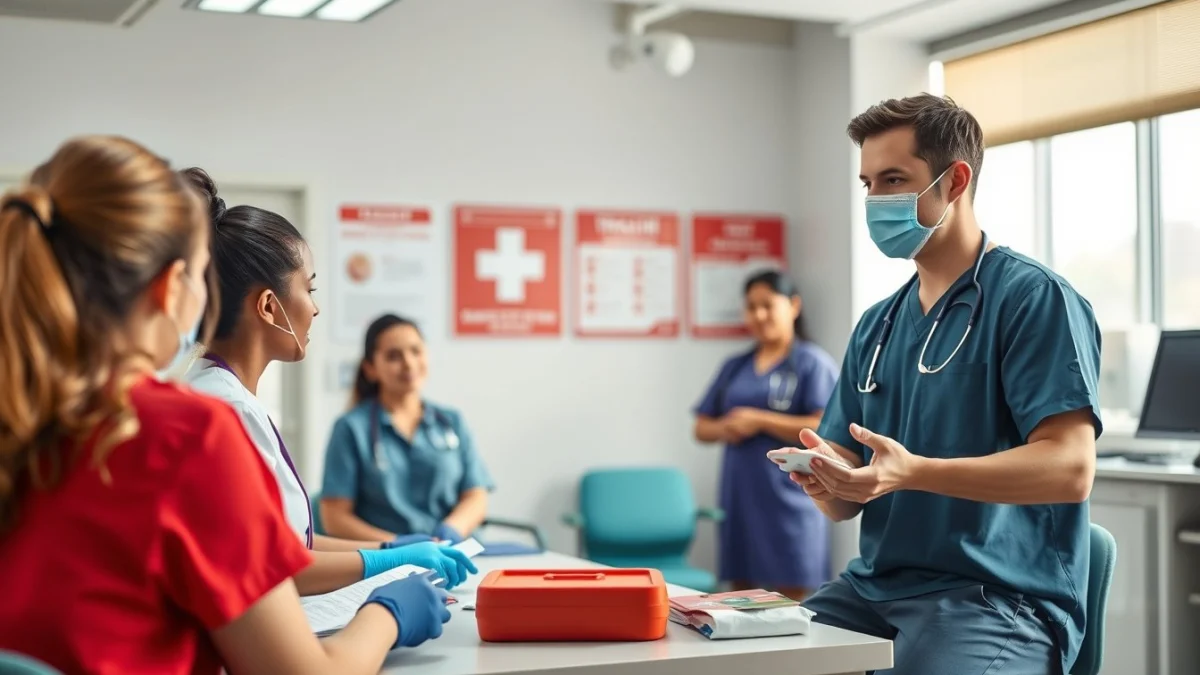
It’s also important to know what’s in a basic first aid kit and to keep yours stocked. Items like sterile dressings, gloves, scissors, and antiseptic wipes are must-haves for emergencies.
Practical Tips and Mistakes to Avoid in First Aid
Here’s a simple checklist for when you need to give first aid:
- Check your safety first.
- Look for responsiveness and signs of breathing.
- Call emergency services immediately.
- Perform first aid techniques needed for the situation.
- Keep monitoring the person until help arrives.
Common mistakes include rushing in without checking safety, moving injured people unnecessarily, ignoring serious signs like loss of consciousness, or delaying calling for help. Staying calm and focused will help you avoid these errors and protect both yourself and the victim.
How Regular Training Can Keep You Ready
First aid skills can fade if you don’t practice or refresh what you learned. Taking online courses that are tailored for beginners or workplace learners can help you keep your confidence and skills sharp. Many free courses in South Africa also offer a certificate to show your competence.
Learning first aid is not only about knowing what to do—it’s about being ready to act safely and calmly. Whether you want to protect your family, feel prepared at work, or help strangers in public, regular training keeps you effective in emergencies.
Ready to learn first aid? Join EduCourse’s free First Aid Certificate Course in South Africa and gain the confidence to save lives. Sign up today.