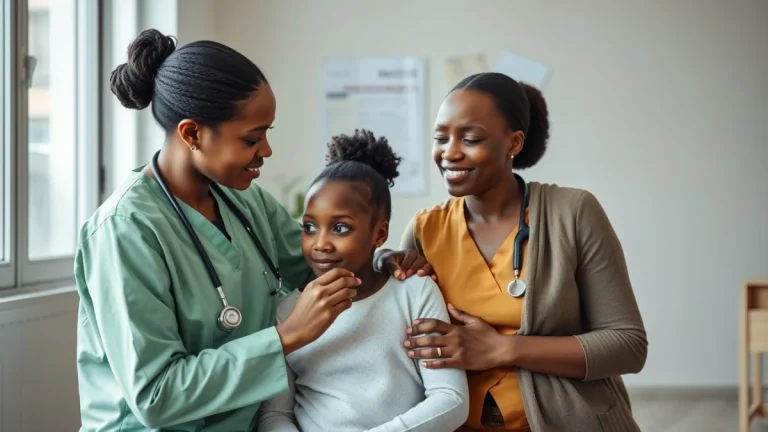
What Does a Special Needs Caregiver Do in South Africa?
If you’re searching for a free special needs care course with certificate in South Africa, it helps first to know exactly what a special needs caregiver does in practice. At its core, this role means supporting learners or individuals with disabilities in daily activities, communication, and emotional wellbeing.
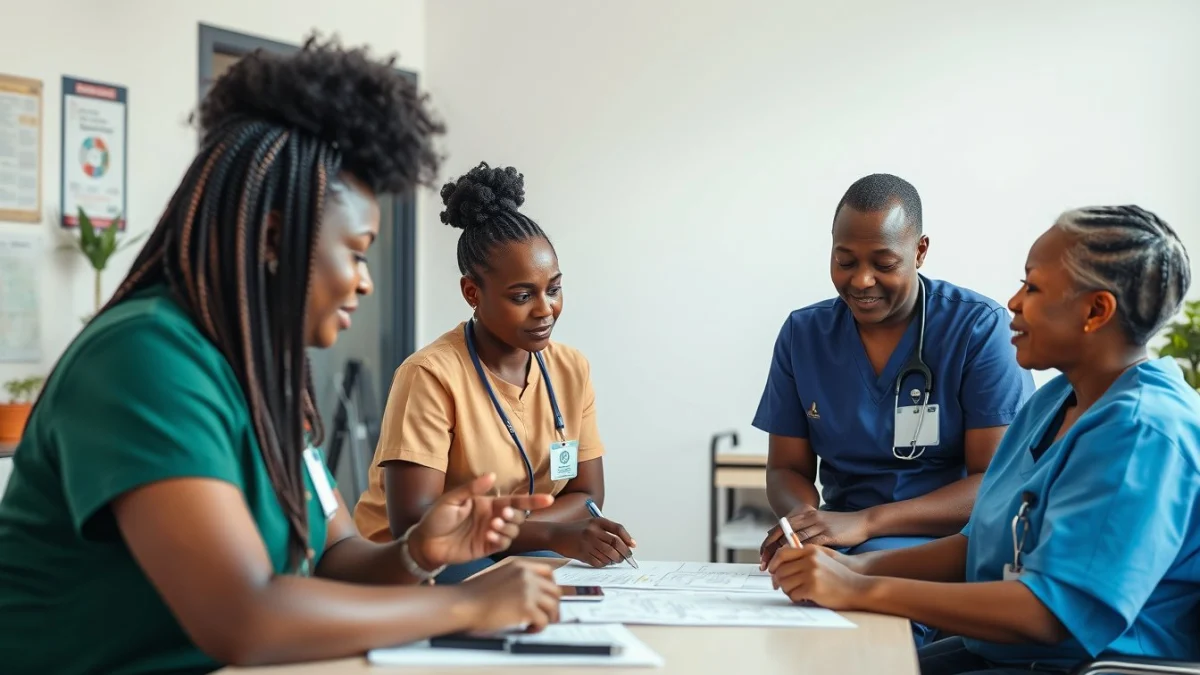
Caregiving in this area isn’t just about physical help—the communication and emotional support needed can be complex. Many new caregivers expect straightforward tasks but soon discover how much empathy, patience, and cultural understanding matter in South African settings. For example, helping a learner who struggles with speech requires more than simple instructions; it means knowing non-verbal cues and possibly basic sign language to connect meaningfully.
What to Know First About Being a Special Needs Caregiver
Put simply, a special needs caregiver’s job is to assist individuals with diverse disabilities—ranging from physical challenges to developmental delays. In South Africa, this role navigates unique cultural backgrounds and resource limitations, which impact how caregiving is done day to day.
A common beginner mistake is assuming that caregiving is only physical support. In reality, understanding behaviour patterns and managing emotional wellbeing are often bigger parts of the job than many expect. For instance, helping a child with autism might mean gently guiding their behaviour and knowing how to de-escalate their stress, rather than just assisting with feeding or hygiene.
Core Tasks and Responsibilities of a Special Needs Caregiver
Physical Assistance and Daily Living Support
- Helping learners move safely—such as transfers from wheelchair to bed
- Supporting personal hygiene, like bathing and dressing
- Encouraging independence in daily activities wherever possible
Communication and Behavioural Support
- Using verbal and non-verbal communication adapted to needs
- Practising active listening and empathy to understand emotions
- Introducing basic sign language or visual aids when helpful
- Applying positive behaviour support techniques for challenges
Health, Safety, and Nutrition
- Maintaining hygiene standards to prevent infections
- Recognising and preventing hazards in the care environment
- Following basic emergency steps and first response procedures
- Assisting with feeding, ensuring dietary needs are met safely
Educational and Social Support
- Helping with adapted educational materials and tasks
- Encouraging social skills and interaction with peers
- Working alongside teachers and family to provide consistent care
Cultural Sensitivity and Ethics
- Respecting diverse cultural beliefs and backgrounds
- Protecting learner privacy and confidentiality
- Maintaining professional ethics and decision-making integrity
What Special Needs Care Looks Like in a South African Workplace
Imagine working at a community centre in a township where resources like assistive devices are limited. You might assist several learners with various disabilities in a busy room, needing to switch quickly between feeding one learner, helping another with communication through picture cards, and calming a third who’s distressed.
The pressure can be high, especially when equipment or training resources are scarce. Caregivers who rely solely on physical help may struggle, while those with knowledge of communication techniques and behaviour support adapt better and provide more effective care. This shows why training, such as the free online special needs care course South Africa offers, is invaluable for beginners.
Common Misunderstandings About Special Needs Caregiving
“It’s just about physical care”
Many newcomers think care is mainly helping with washing or feeding. This overlooks the crucial parts of communication and emotional support.
“One method fits all learners”
Different disabilities require tailored approaches. What works for a learner with Down syndrome differs from autism support.
“Training is too complex or unnecessary”
Free beginner special needs care courses are user-friendly and practical, not overwhelming. Skipping training often leaves caregivers unprepared for real challenges.
Advice for Beginners Starting as Special Needs Caregivers
- Focus on building strong communication skills early—observe, listen, and be patient.
- Learn basic signs and visual communication tools; these are often game changers.
- Don’t underestimate the emotional and behavioural dimensions of care.
- Practice cultural sensitivity; South Africa’s diverse communities require respect and adaptability.
- Prioritise your own self-care to avoid burnout—this work can be emotionally taxing.