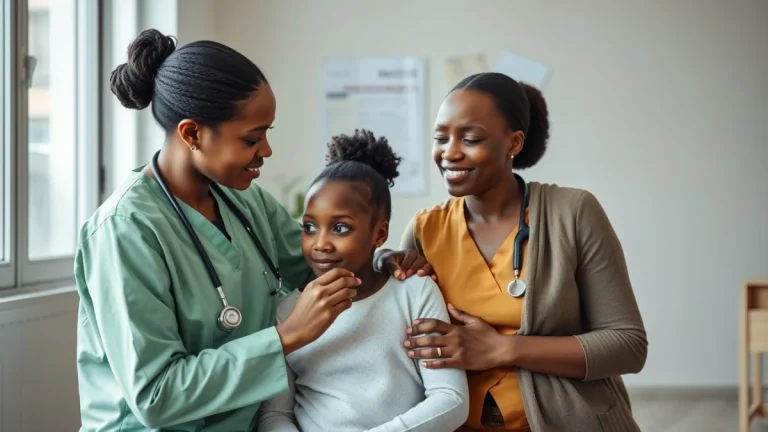
Special Needs Care Career Opportunities in South Africa
Thinking about a career in special needs care in South Africa? The free special needs care course with certificate offered by EduCourse can be your starting point. This job is more than a role; it’s a commitment to assist individuals who need extra support every day. With a free beginner special needs care course with certificate in South Africa, you can gain practical skills to enter this field and build a meaningful career.
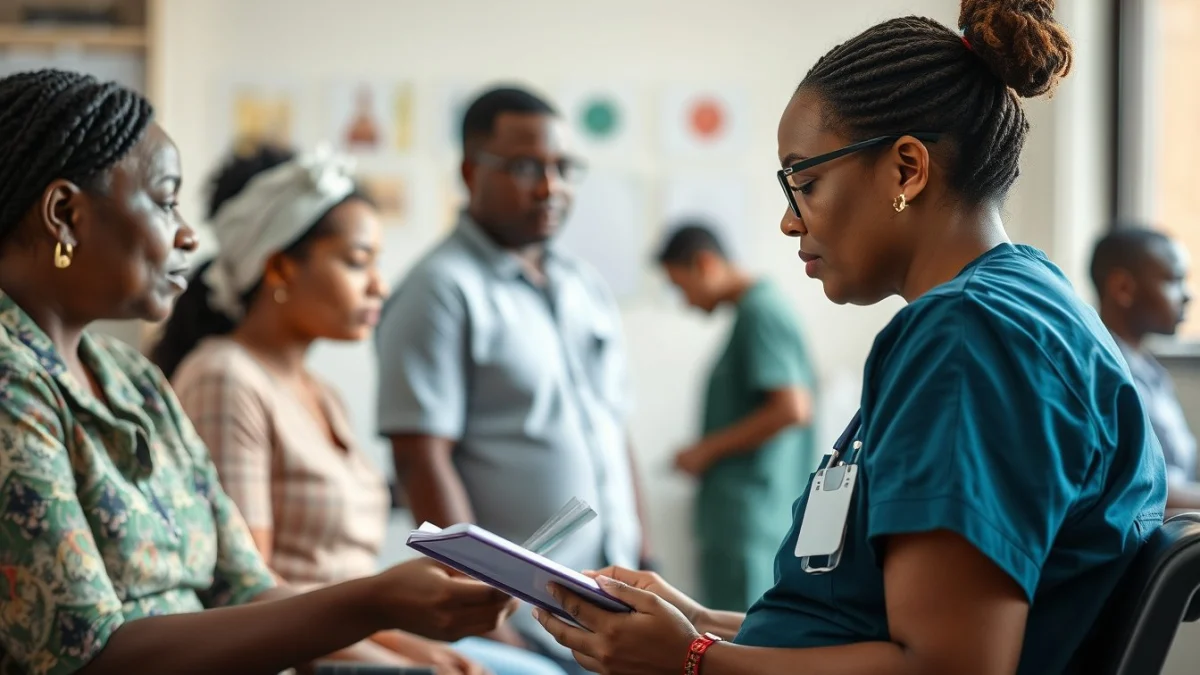
First-time learners often wonder what special needs caregiving really looks like on the ground. The reality is that while the work is deeply rewarding, it also demands patience, listening skills, and hands-on problem solving. Caregivers frequently face challenges like managing behavioural changes or adapting communication in moments of stress. That’s why a tailored course focused on South African workplace realities is crucial to prepare you for the job’s ups and downs.
What Special Needs Care Work Involves
At its core, special needs care means helping people with disabilities or learning difficulties live more independent, healthier lives. Daily tasks can include assisting with mobility, personal hygiene, feeding, and encouraging communication skills. In South Africa, this role often extends to navigating cultural sensitivities and local laws that affect care.
A typical day might see you helping a learner practice simple tasks like washing hands or moving safely with assistive devices, while also collaborating with family or educators. One overlooked insight is how much emotional support is needed—caregivers often act as a steady, trusted presence helping learners manage frustration or anxiety.
Skills Needed for Special Needs Care
- Communication: Being able to use both verbal and non-verbal cues, plus basic sign language or visual aids, is key. Beginners sometimes underestimate how vital active listening and empathy are in building trust.
- Patience and Consistency: Behavioural challenges can be intense. Caregivers need to remain calm and consistent, as sudden changes or stress can unsettle learners.
- Health and Safety Awareness: Infection control, emergency responses, and safe mobility assistance must be second nature. Neglecting proper hygiene or transfer techniques can lead to accidents or illness.
- Teamwork: Working closely with families, educators, and healthcare professionals is often skipped in beginner training but critical in practice.
- Ethical Sensitivity: Respecting learners’ privacy, cultures, and autonomy shapes respectful care, a detail many new caregivers overlook.
Qualifications and Learning Path
Starting a special needs care career doesn’t require expensive tuition or years in college. The special needs care certificate course free South Africa options, like EduCourse’s online special needs care course with certificate free South Africa, offer a practical learning path tailored to beginners.
This training covers essential topics—communication, mobility support, nutrition, behaviour management—aligned with South African contexts and workplace norms. Since many learners worry about how to prove their skills to employers, the free special needs care certificate online South Africa option includes quizzes and tests to certify your knowledge before job hunting.
Where Are the Jobs? Industries Hiring Special Needs Caregivers
In South Africa, special needs care roles appear in various places beyond just schools and clinics. Common employers include:
- Public and private special needs schools
- Community health centres and clinics
- NGOs supporting disability projects
- Private households requiring in-home care
- Care centres specialising in elder or disability care
Demand is growing, but competition is real. Employers often expect proof of workplace skills, patience, and commitment. The special needs care workplace certificate course free South Africa options are designed to give that edge.
Career Growth and Advancement
Starting as a caregiver can open doors to more specialised roles over time:
- Behavioural therapist assistant
- Speech and language support aide
- Care coordinator or team leader
- Special needs educator assistant
- Assistive technology specialist
Some workers pursue further training in nursing or social work related to special needs care. The first free beginner special needs care course with certificate in South Africa is often just the initial step in a longer learning path.
Salary Expectations in Special Needs Care
Entry-level special needs caregivers can expect salaries starting around R6,000 to R8,000 per month, depending on the employer and location. With experience and additional skills, salaries rise to R12,000 or more. In private households or specialised centres, wages may be higher but can vary widely.
Beware the misconception that qualifications alone guarantee a high salary. Employers often look closely at hands-on experience and interpersonal skills before offering better pay. Gaining a basic special needs care course free South Africa certificate demonstrates your readiness to enter the workforce and earn.
Future Opportunities in Special Needs Care
The sector is evolving. Technology like assistive devices is expanding, creating a need for caregivers skilled in new tools. Disability rights and inclusion efforts in South Africa also mean more jobs aimed at community integration and education. With a strong foundation from a free special needs care training free South Africa course, you can grow alongside these trends.
One often unspoken challenge is burnout. Caregivers working without support risk stress and fatigue. Learning self-care strategies early on is part of preparing for a sustainable career.
Tips for Beginners Starting in Special Needs Care
- Take a free special needs care online course South Africa that covers practical workplace skills.
- Practice patience and active listening—even small communication wins matter.
- Learn basic first aid and health protocols; safety mistakes have real consequences.
- Seek mentorship or peer support to handle emotional challenges.
- Be open to ongoing learning and adapting, especially regarding cultural and ethical sensitivity.