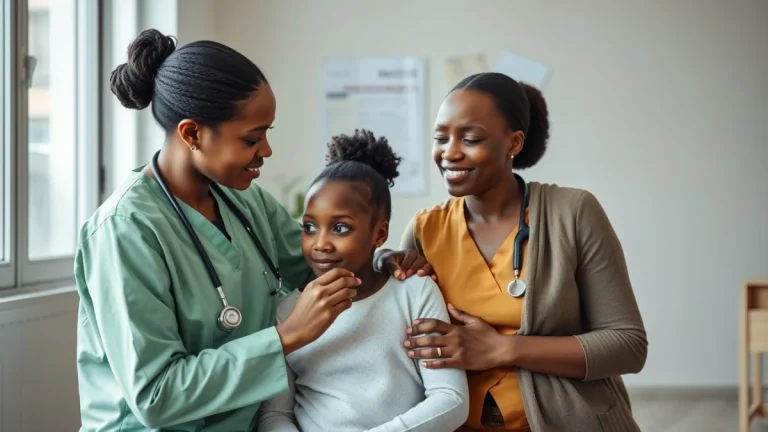
Communicating Well with Patients During Rehabilitation: What to Know First
If you want to master how to communicate effectively with patients during rehabilitation, this guide is for you, especially if you’re taking a free rehabilitation support assistant course with certificate in South Africa. Clear communication is not just about talking—it’s about connecting, understanding, and supporting patients who are often going through tough physical and emotional challenges.

A frequent struggle learners face is knowing just how different patients can be in their communication styles and needs, especially in busy South African rehabilitation centres. One wrong word or missed cue can lead to confusion or setbacks in patient care. Understanding this early on makes your role as a rehabilitation support assistant much smoother and more effective.
Step-by-Step: How to Communicate Effectively with Patients in Rehabilitation
Step 1: Start with Patient-Centred Care
Put each patient’s feelings and perspective first. Before speaking, observe their mood and health state. You might pick up on anxiety or pain that affects how they’ll receive your message.
Step 2: Use Clear and Simple Language
Avoid jargon or medical terms. Use straightforward words and short sentences. For example, say “Let’s try walking with your crutches slowly” instead of “Please mobilise using the prescribed assistive device.”
Step 3: Pay Attention to Non-Verbal Cues
Watch body language, facial expression, and eye contact. Some patients may nod but not really understand. Look out for confusion or hesitation and gently check in with them.
Step 4: Practice Active Listening
Let patients speak without interruption. Show you are listening by summarising or repeating what they said: “So, you feel pain when moving your arm this way?” This builds trust and helps clarify concerns.
Step 5: Use Empathy and Patience
Rehabilitation can be slow and frustrating. Use encouraging words and don’t rush explanations. A calm, caring tone helps patients stay engaged and motivated.
Step 6: Master Reporting and Documentation
Accurate, clear documentation is part of communication too. Record what the patient says, how they respond to exercises, and any progress or setbacks. This helps the team plan better care.
Best Practices for Communication in Rehabilitation Settings
- Check understanding regularly. Don’t assume patients understand the first time. Ask open-ended questions like “Can you tell me how you will do this exercise?”
- Adapt to each patient’s needs. Some may speak a local language or have hearing difficulties. Use gestures, pictures, or translators where possible.
- Keep your tone friendly but professional. Being too casual can confuse boundaries; too formal can intimidate.
- Respect patient privacy. Speak privately when discussing sensitive topics and maintain confidentiality.
- Prepare for emergencies calmly. Clear, calm communication during a crisis ensures patient safety and quick response.
Common Mistakes and How to Avoid Them
Mistake: Overloading Patients with Information
Why it happens: You want to be thorough. Reality: Too much info at once is overwhelming.
Fix it by breaking down instructions into small steps, pausing for questions after each.
Mistake: Ignoring Non-Verbal Signals
Why it happens: Focus is often on what’s being said. Reality: Patients’ body language reveals a lot.
Fix it by consciously watching expressions, posture, and eye movement. Confirm unclear signals by asking.
Mistake: Using Medical Jargon
Why it happens: Habit or training causes it. Reality: Confuses or scares patients unfamiliar with terms.
Fix it by substituting everyday language and demonstrating tasks physically.
Mistake: Not Documenting Communication
Why it happens: Busy schedules or forgetfulness. Reality: Leads to miscommunication within the care team.
Fix it by making notes immediately after interactions, focusing on patient responses and concerns.
Customisation Tips for Beginners in South Africa
Start by learning common local phrases or greetings in different languages such as Zulu, Xhosa, or Afrikaans. This small effort builds rapport rapidly.
Expect diversity in patient backgrounds—some may have limited education or experience in formal healthcare settings. Adjust explanations to be respectful and simple.
In rural or resource-limited clinics, you might not have fancy communication aids. Get comfortable with using clear verbal instruction supported by gestures or demonstration.
Extra Examples: What Good Communication Looks Like in Action
- Scenario: A patient with a stroke has difficulty speaking. You use yes/no questions combined with facial expression checks to ensure understanding during an exercise session.
- Scenario: An elderly patient fears falling when walking unaided. You calmly explain every step of using their walker, allowing them to express fears and encouraging small tries, praising each success.
- Scenario: You notice a patient avoids eye contact and gives short answers. You gently ask if they are feeling ok and listen fully to their concerns, improving cooperation.