Understanding What a Rehabilitation Support Assistant Does in South Africa
If you’re searching for clear insight into the role of a rehabilitation support assistant, this will help. Basically, a rehabilitation support assistant helps patients recover and regain independence after illness or injury, working under therapists and healthcare teams. If you want to know what this job really looks like day-to-day in South Africa, and how you can start a beginner career path with a free Rehabilitation Support Assistant Course with Certificate in South Africa, keep reading.
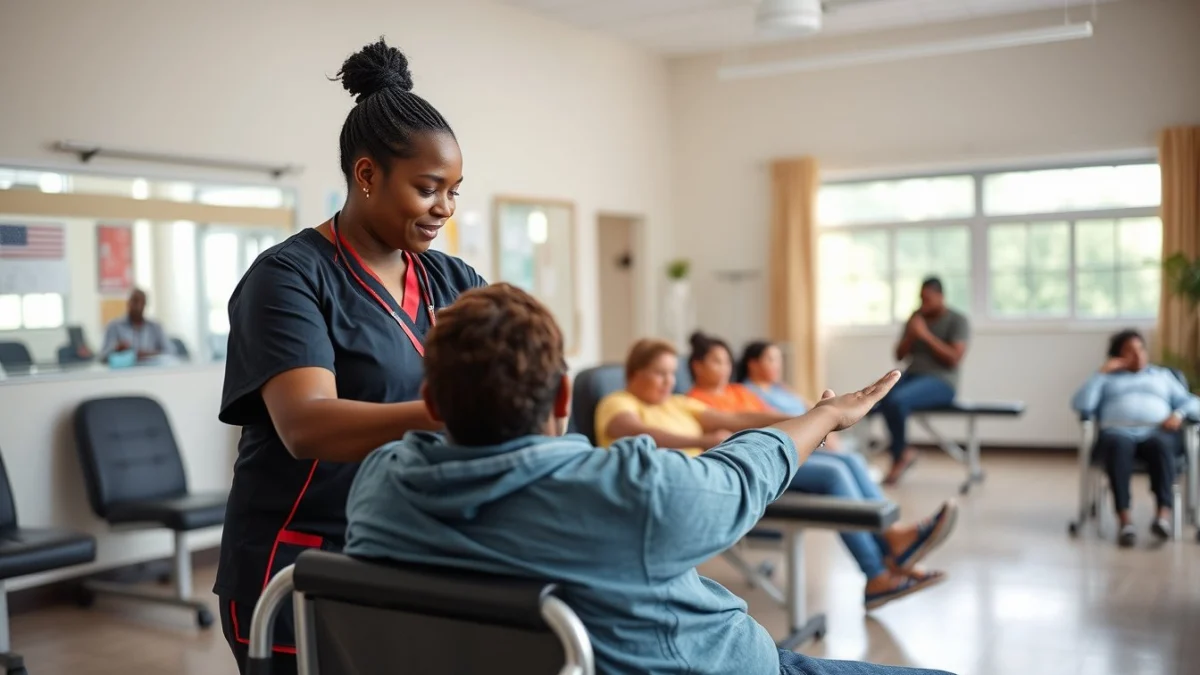
Many first-timers expect this role to be mainly about physical help, but communication, patient safety, and ethical care take up just as much time. Imagine assisting a patient who’s struggling with simple mobility exercises while also needing emotional support and careful observation—you soon see how multitasking and empathy matter. The good news? Free online training like the one from EduCourse helps you build skills for these real-life moments, with practical lessons specific to South African rehabilitation settings.
What Does a Rehabilitation Support Assistant Actually Do?
At its core, a rehabilitation support assistant helps patients follow therapy plans to regain movement and perform daily tasks. In South Africa, you’ll find assistants working in hospitals, rehab centres, community clinics, and sometimes even homes. Your work involves:
- Helping patients with walking, transfers, and mobility aids like crutches or wheelchairs
- Assisting with daily activities like eating, dressing, hygiene, and grooming
- Supporting therapeutic exercises set by physiotherapists or occupational therapists
- Monitoring patient progress and reporting changes to the health team
- Ensuring patient safety and preventing infection by following hygiene protocols
- Communicating clearly and showing empathy to encourage patients
- Supporting multidisciplinary teams by understanding different roles
This mix of physical, emotional, and procedural support is what makes the job rewarding but also challenging for beginners.
Why Does This Role Matter at Work?
Rehabilitation support assistants bridge the gap between therapists’ plans and patient daily life. Without them, patients risk slower recovery, falls, or poor adherence to therapy. A common workplace reality is handling a heavy patient load with limited staff, meaning you often juggle urgent assistance and detailed care. Missing small safety steps or unclear communication can cause accidents or treatment delays.
For example, failing to secure a wheelchair brake before transferring a patient may cause injury. That’s why proper training — like the rehabilitation support assistant online course free South Africa options—focus not just on physical assistance but also on safety, monitoring, and teamwork skills.
What Happens in a Typical Workday?
Picture arriving at a busy rehab centre in Gauteng. Your tasks may include:
- Helping a stroke patient practice simple exercises, encouraging them to push themselves safely
- Assisting an elderly patient with grooming and meals, even spotting signs they might be struggling more than before
- Cleaning and preparing mobility aids for safe use
- Taking notes on patient progress for your supervisor
- Joining team meetings to share observations
It feels fast-paced. Sometimes, urgent calls from nurses or therapists pull you from scheduled tasks. The role demands patience and flexibility. Many beginners underestimate how much of the job involves observing and reporting – not just doing physical help.
Common Misunderstandings by Beginners
One big misconception is thinking this job is easy or only physical work. It’s not. You must understand ethical rules, patient confidentiality, and be able to show empathy. Another mistake is rushing patient transfers or exercises to save time, which can cause harm. Patience and attention to detail are just as important as strength.
Some also expect immediate full independence, but real workplace experience will show you how building trust with patients over time makes all the difference.
Beginner Advice for Getting Started
- Study the basics carefully: Focus on patient safety, communication, and infection control—these save lives.
- Practice active listening: Patients often need emotional as well as physical support.
- Don’t be afraid to ask questions: Clarify instructions from therapists and ask about procedures you don’t understand.
- Take online courses that offer a certificate: This shows employers your commitment and gives you real workplace-relevant skills.
- Be ready to learn on the job: No course can cover every unexpected situation, so stay open and observant.
FAQs
Is the rehabilitation support assistant role suitable for beginners?
What skills are most important to succeed?
How long does it take to complete free online rehabilitation support assistant training?
Do I need a certificate to work as a rehabilitation support assistant in South Africa?
Start Your Learning Journey
If you want to gain practical skills and a certificate to kickstart your career in rehab support, consider joining the free Rehabilitation Support Assistant Course with Certificate in South Africa offered by EduCourse. It covers everything from patient care basics to workplace readiness, and is built with South African learners in mind.