What Does a Restaurant Assistant Do? Understanding the Role Clearly
If you’re wondering what a restaurant assistant actually does, you’re not alone. This role is vital in keeping restaurants running smoothly. The Free Restaurant Assistant Course with Certificate in South Africa shows you step-by-step how to handle all the practical tasks involved in the job. From greeting customers to maintaining hygiene and supporting the kitchen team, restaurant assistants keep the service flowing.

Many beginners expect the role to be simple “serve and clear,” but the reality in busy South African restaurants can be fast-paced and detail-heavy. For example, dealing with food safety rules while constantly managing tables and customer requests often catches new assistants off guard. This course helps you avoid common mix-ups by teaching workplace skills that employers really need.
The Main Tasks of a Restaurant Assistant Explained
What This Role Means in Practice
A restaurant assistant works behind and in front of the scenes to support the entire dining experience. This includes:
- Setting up and cleaning tables according to restaurant standards
- Greeting guests warmly and professionally
- Taking orders correctly and delivering food and drinks safely
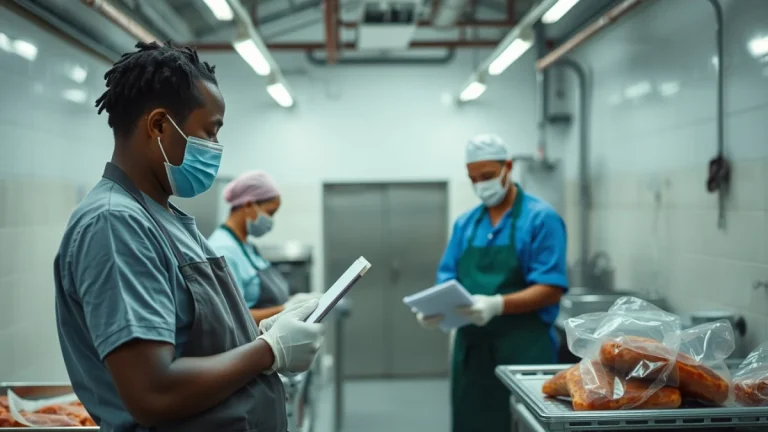
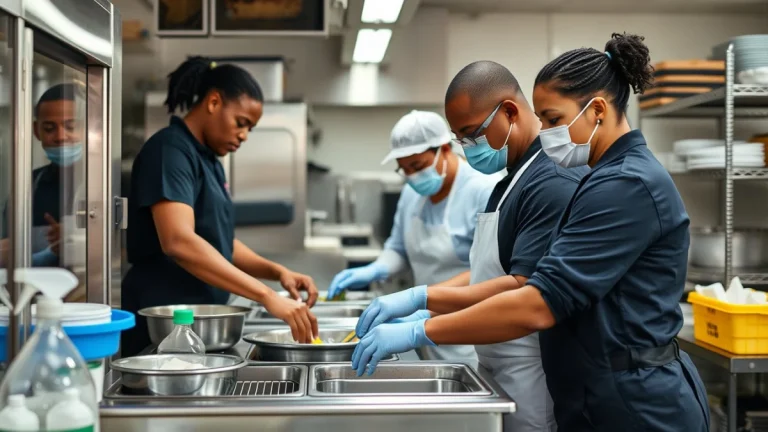
- Keeping the dining and food prep areas clean and hygienic
- Following food safety rules strictly to avoid contamination
- Helping with basic food prep and kitchen support
- Handling customer complaints calmly and efficiently
- Working quickly and as part of a team during busy times
The role demands both clear communication and strict attention to safety and cleanliness—important for making customers feel welcome and safe.
Why It Matters on the Job
One overlooked detail beginners miss is the importance of food safety in every step, not just in the kitchen. For example, failing to wash hands before clearing tables or mixing dirty and clean cutlery leads to cross-contamination. Employers notice these mistakes fast, because they can lead to foodborne illness outbreaks and damage the restaurant’s reputation.
Another reality is speed combined with accuracy. You might handle several tables at once, so knowing how to prioritise tasks without rushing orders or skipping hygiene steps is critical. This multitasking is common in South African restaurants during peak evenings, meaning good time management skills are a must.
A Day in the Life: What to Expect as a Restaurant Assistant
Imagine starting a shift in a busy local eatery on a Friday night. Your first task is setting up tables, placing cutlery and napkins according to the restaurant’s standards. Then, guests arrive—you greet each with a smile, assist with seating, and note their orders carefully.
Orders come up from the kitchen, and you carry plates and drinks with care, making sure to avoid spills or burns. You clear tables as soon as customers leave while sanitising surfaces and resetting for the next group. All the time, you keep an eye on hygiene, washing your hands regularly and wearing gloves when handling food.
During the rush, you might need to calmly handle a guest complaint about the food temperature or a delayed order. Remaining polite and offering solutions helps calm the situation. At the end of the shift, you help clean the dining area and prep spaces thoroughly to meet food safety standards.
Common Mistakes Beginners Make
Many new assistants think their job is only to serve or clean. But neglecting behind-the-scenes food safety details—like properly storing leftovers or avoiding cross-contamination—can cause serious problems. This gap in understanding often results in corrective discipline or even job loss.
Another beginner mistake is poor communication with team members. For instance, not confirming orders with the kitchen or failing to update wait staff on table status can disrupt service flow. Learning these coordination skills early sets you apart and builds confidence.
Practical Tips for Beginners Starting as Restaurant Assistants
- Keep hygiene top priority: Always wash hands before touching food, after clearing tables, or handling waste.
- Stay organised: Arrange your workstation neatly to avoid wasting time looking for cutlery or cleaning supplies.
- Listen and confirm: Repeat orders back to customers to avoid mistakes, especially with special requests or allergies.
- Manage time well: Prioritise quick tasks like clearing finished tables promptly to keep turnover smooth.
- Work as a team: Communicate openly with wait staff and kitchen crew to stay ahead of busy times.