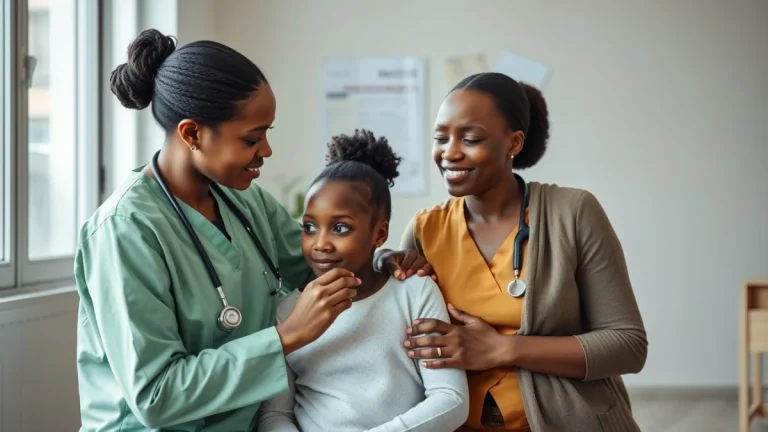
What Does an Elderly Caregiver Do? Understanding the Role and Responsibilities
If you’re wondering what an elderly caregiver actually does, here’s a clear answer: they provide hands-on support to older adults with daily activities and emotional needs. Those who sign up for a free elderly care course with certificate in South Africa learn how to assist seniors in ways that matter—helping with hygiene, nutrition, mobility, medication, communication, and safety. This role goes beyond simple tasks; it requires respect, patience, and an understanding of the hardships many South African elders face.
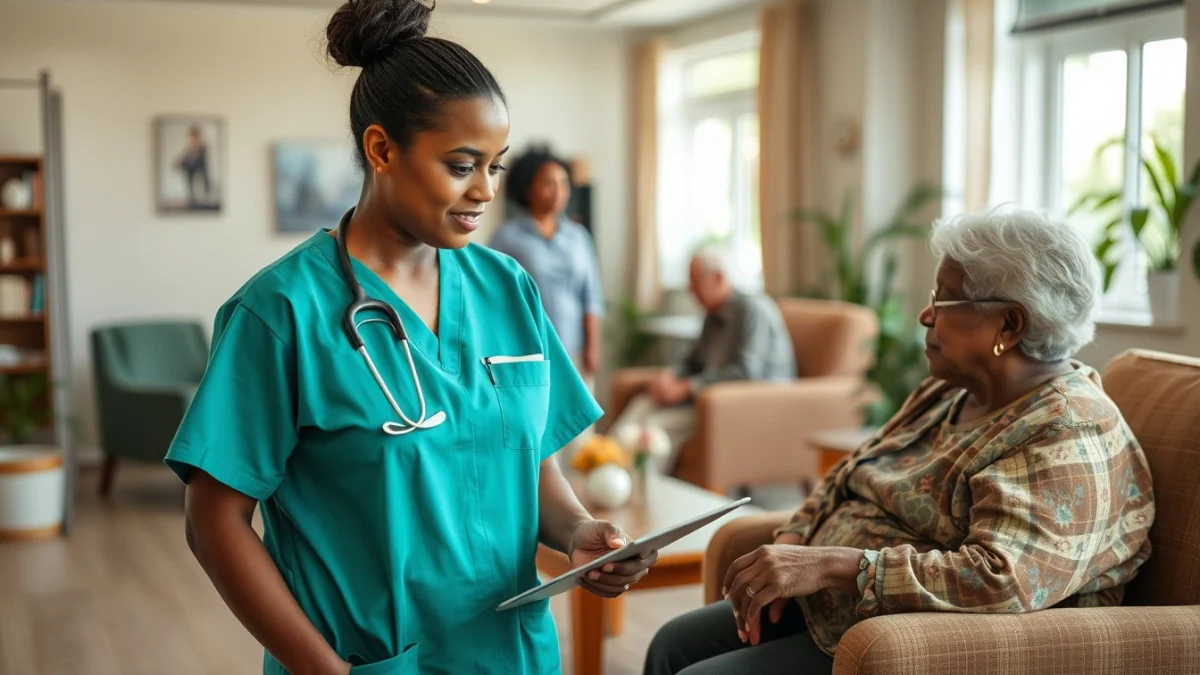
Many learners feel overwhelmed when first thinking about elderly care. A common worry is how to balance physical care with emotional support, especially when seniors might be lonely or struggling with mental health. Another real challenge caregivers face is managing safety risks at home without proper training. For example, a minor slip during bathing can cause serious injury. What often gets overlooked early on is how crucial communication skills are—listening carefully to understand pain or discomfort can prevent bigger problems. Let’s explore what this role truly involves in everyday South African caregiving.
The Practical Role of an Elderly Caregiver
At its core, elderly caregiving means helping seniors maintain dignity and independence while ensuring their safety and comfort. Here’s what that looks like daily:
- Assisting With Personal Care: Bathing, grooming, oral hygiene, and dressing are key tasks. It’s not just about cleanliness but preserving dignity.
- Supporting Nutrition: Preparing and serving meals tailored to dietary needs and physical ability, plus encouragement to stay hydrated.
- Helping Mobility: Assisting seniors with walking or moving using safe techniques and mobility aids, to reduce fall risk.
- Medication Monitoring: Reminding and supporting elders with medication schedules while observing side effects or health changes.
- Providing Emotional Support: Helping combat loneliness by encouraging social connections and recognizing mental health issues early.
- Ensuring Safety: Spotting hazards in homes and knowing emergency procedures to protect elders.
- Respecting Rights and Privacy: Upholding confidentiality and treating elders with respect, as their dignity is the foundation of care.
Each part requires skill and care. Caregivers often find themselves juggling multiple roles during the day; the work is physically and emotionally demanding.
Key Responsibilities Explained
1. Personal Care and Hygiene
This includes safe bathing techniques, assisting with dressing, and oral care. Beginners often underestimate how sensitive these tasks can be. Rushing or ignoring the elder’s comfort can cause distress or loss of trust. Good training shows how to balance efficiency with empathy.
2. Nutrition and Hydration
Elderly people usually have special dietary needs due to health conditions. Caregivers must know what foods are suitable, watch for allergies, and encourage fluid intake. Dehydration is a common but preventable problem that can escalate quickly without care.
3. Mobility Assistance
Helping seniors move safely is more than just physical support—it involves understanding how to prevent falls. Using canes, walkers, or wheelchairs correctly makes a big difference. Overconfidence or improper handling is a common mistake new caregivers make that leads to accidents.
4. Managing Medications
Though caregivers do not prescribe drugs, they observe medication schedules and report any side effects or changes. Missing doses or wrong dosage timing can compromise health, so this responsibility is critical.
5. Emotional and Social Support
Loneliness affects many elders in South Africa, especially those living alone or in care facilities. Caregivers who build trust and encourage social activities help improve mental wellbeing. Recognising signs of depression early is also part of the role.
6. Safety and Emergency Preparedness
Identifying tripping hazards, ensuring smoke alarms work, and knowing basic first aid are vital. Quick, calm responses in emergencies can save lives. This is a skill often missing in beginners but vital in practice.
What Elderly Care Looks Like in a South African Workplace
Imagine a caregiver starting their day with helping Mrs. Naidoo with her morning bath. During the process, Mrs. Naidoo mentions a new discomfort in her leg. A well-trained caregiver will note this and suggest a medical review. Later, the caregiver prepares a meal that fits her diabetic diet and gently reminds her to drink water throughout the day.
In between, the caregiver helps with simple exercises to keep Mrs. Naidoo mobile. Working in a home or community setting, caregivers often wear many hats, including record-keeping, communicating with family, and managing medication reminders.
Without proper training, caregivers might miss signs of distress or mishandle medication, which complicates health issues or causes accidents. That’s why a free elderly care course and certificate South Africa can make a real difference—it prepares you for the realities that often get lost in theory.
Common Misunderstandings About Elderly Care Duties
- It’s Just Physical Help: Emotional care is equally important but often overlooked by beginners.
- Only Nurses Can Give Medication Support: While caregivers don’t prescribe, they play a key role in adherence and monitoring.
- Safe Handling Is Simple: Many underestimate how much skill it takes to move seniors safely without injury.
- One-Size-Fits-All Care: Care must fit individual needs, which requires learning and attention.
Advice for Beginners Starting in Elderly Care
- Focus on learning clear communication skills—listening is as vital as helping.
- Take every medication or health observation seriously; don’t delay reporting changes.
- Prioritise safety by regularly checking the living environment and using proper mobility techniques.
- Remember to respect elders’ privacy and dignity in every interaction.
- Don’t hesitate to ask for help or supervision when unsure—it improves care quality and confidence.