Elderly Care Career Opportunities in South Africa
If you’re looking to start a career in elderly care, a Free Elderly Care Course with Certificate in South Africa can be your first step. This path opens doors to a range of roles caring for older adults in homes, clinics, or community settings. Elderly care work is in high demand, especially in South Africa’s aging population, where compassionate, trained caregivers are needed more than ever.
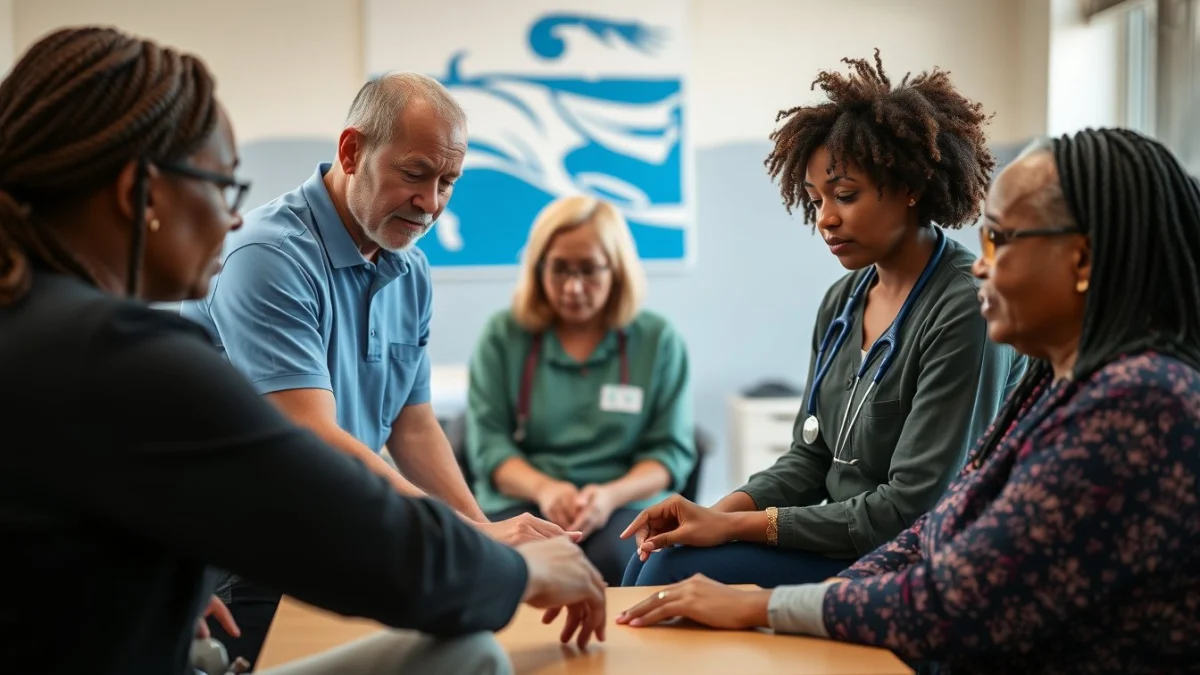
Starting out, many learners wonder how practical the work actually is. When you’re assisting an elderly client, it’s not just about tasks but managing sensitive moments — like helping with morning hygiene while respecting dignity, or noticing subtle changes in mood that might indicate health issues. This balance of skill and empathy often trips up beginners who expect straightforward physical tasks only. Real jobs demand emotional intelligence and consistent responsibility.
The Short Answer: What Elderly Care Work Really Involves
Caregiving is hands-on. You help with daily activities like bathing, dressing, preparing food, and assisting with mobility. You’ll also monitor medications, support emotional wellbeing, and ensure a safe living environment. Beyond physical tasks, solid communication and maintaining ethical standards are crucial.
Many jobs expect you to work closely with families and health professionals. You’ll often be the eyes and ears on the ground — noticing health changes and reporting them promptly. A common beginner mistake is underestimating the importance of detailed observation and documentation, which, if missed, can lead to serious consequences for clients’ health.
Skills Needed for a Successful Elderly Care Career
- Patience and empathy: The elderly may move slowly, forget things, or feel isolated. Your ability to remain patient and kind makes a big difference.
- Basic healthcare knowledge: Understanding nutrition, hygiene, mobility aids, and medication management is key.
- Communication: Both verbal and non-verbal communication is essential, especially to work around hearing challenges or cognitive decline.
- Observation and reporting: You must notice changes in physical or mental health and report them accurately to supervisors or healthcare providers.
- Physical stamina: Tasks like lifting or assisting with movement require safe handling techniques to avoid injury—for both you and your client.
Qualifications and Learning Path
South African employers often look for caregivers with formal training combined with hands-on experience. The free elderly care certificate course South Africa options online, like the one at EduCourse, offer a practical foundation. It covers key areas that employers expect, from hygiene and nutrition support to mental health first aid and emergency readiness.
Most beginners start with a free novice-friendly course — often called a free beginner elderly care course with certificate in South Africa — that prepares them for workplace realities. These courses teach skills in a clear step-by-step way and allow you to earn a certificate showing your commitment and knowledge.
Industries and Employers Hiring Elderly Care Workers
Common workplaces include:
- Private homes: Many elderly South Africans prefer home care to remain independent.
- Care homes and hospices: Facilities often hire for full-time and part-time care staff.
- Community health centres: Non-profit and government organisations provide support services requiring trained caregivers.
- Rehabilitation centres: Patients recovering from strokes or surgeries need specialised elderly care help.
Sometimes caregivers work as personal assistants or companion carers, roles that include household chores and social engagement.
Career Growth Opportunities
Starting as a junior care assistant, you can advance to supervisory or specialised roles:
- Senior caregiver or team leader: Overseeing other caregivers and managing schedules.
- Care coordinator or case manager: Planning care programs and liaising with healthcare professionals.
- Specialised care roles: Supporting clients with dementia, Alzheimer’s, or rehabilitation needs.
- Further training: With additional qualifications, you could move towards nursing or social work careers.
Building experience, showing reliability, and continuing your learning are key to career progression.
Salary Expectations for Elderly Care Workers in South Africa
Entry-level elderly care jobs typically pay between R4,000 and R7,000 per month depending on location, employer, and hours worked. Experienced caregivers or those in specialised roles might earn more. Many start as part-time workers or casual staff and increase earnings with overtime or shifts in high-demand areas.
Keep in mind: The pay reflects that this is a caring, often physically and emotionally demanding role. Benefits sometimes include meals or transport allowances.
Future Opportunities and Trends in Elderly Care
South Africa’s aging population means demand for elderly care workers will grow steadily. Technology is also changing care — tools like remote monitoring devices, medication reminders, and digital records are becoming common. Caregivers who stay updated on such tech hold an advantage.
There is also growing emphasis on mental health support and community-based care solutions. This opens new roles beyond physical assistance, in counselling, social facilitation, and wellness programmes.
Tips for Beginners Starting in Elderly Care
- Start learning online: A free elderly care study online South Africa option helps build basic understanding without initial cost.
- Focus on communication: Practice patience and clear listening, as many newcomers underestimate its difficulty and importance.
- Gain practical experience: Volunteer or assist in community centres to understand daily realities before applying for paid work.
- Keep learning: Elderly care touches on healthcare, psychology, ethics, and safety — stay curious and adaptable.
- Manage your stress: The emotional load can be heavy; find support networks or mentoring early.