What Does a Community Health Worker Do in South Africa?
If you’re curious about the role of a community health worker, especially in South Africa, here’s a clear answer: community health workers connect local people with basic healthcare services, support disease prevention, and assist with health education—all at a grassroots level. Taking a free community health worker course with certificate in South Africa can help you start this career path by teaching practical skills you can use from day one.
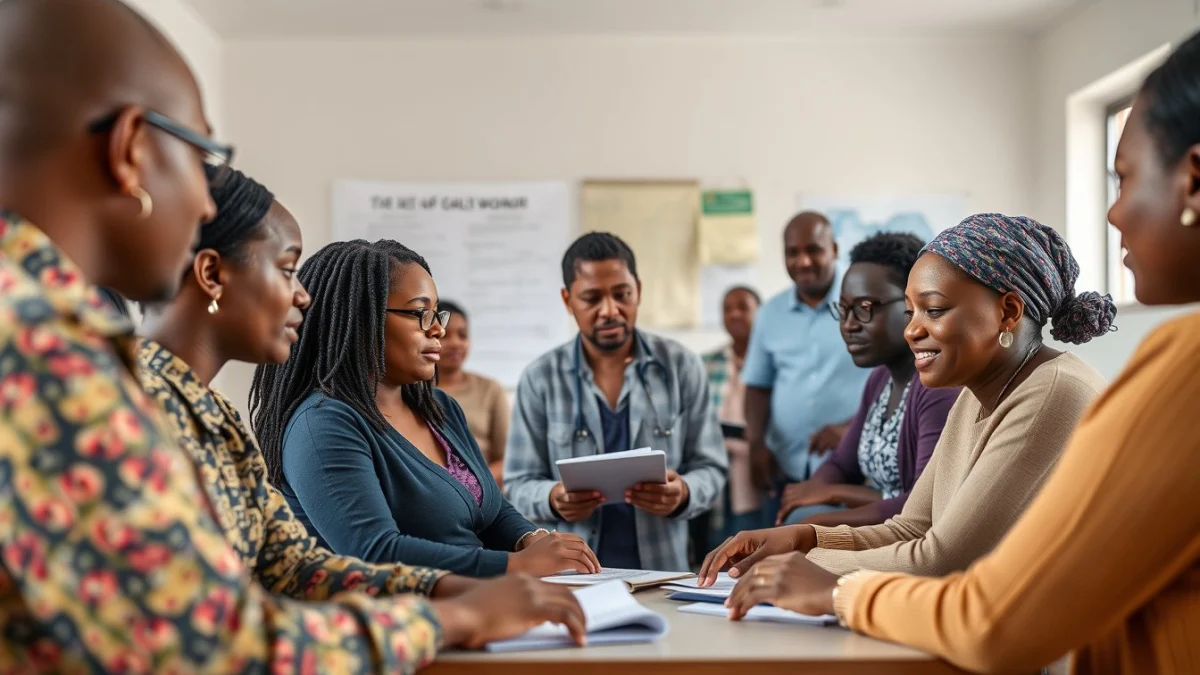
Many beginners are unsure what a community health worker actually does day to day. The reality is often more hands-on and emotionally demanding than expected. Imagine visiting several homes a day to check on chronic patients, educating families about hygiene, and helping with immunisation schedules. Keeping track of all this in your notes while staying calm during stressful emergencies is a real challenge.
Understanding the Role of a Community Health Worker
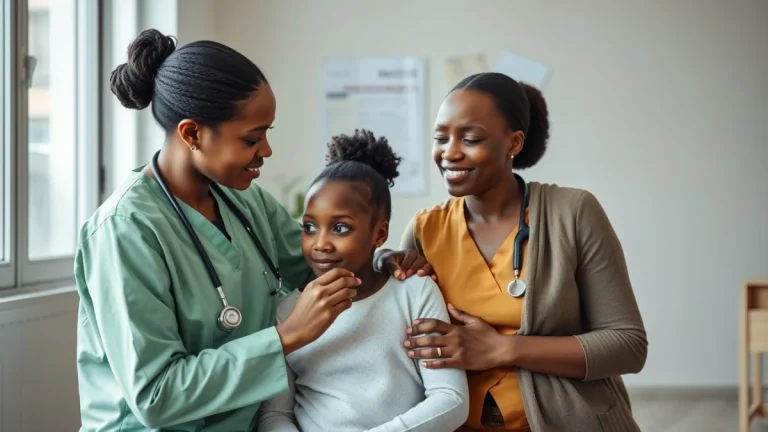
Community health workers (CHWs) serve as a bridge between healthcare facilities and local communities. They work mainly in under-resourced areas where hospitals or clinics can be far away or overcrowded. Their duties go beyond just health advice. CHWs provide first aid, monitor chronic illnesses, encourage healthy habits, and support maternal and child health.
In South Africa, where diseases like HIV, TB, and diabetes are common, CHWs help reduce pressure on overburdened clinics by offering basic care on the ground. This makes healthcare more accessible and tailored to the community’s unique challenges. Their work is vital in preventing disease outbreaks and improving health outcomes in rural and urban informal settlements.
Key Tasks and Responsibilities
- Patient Support and Monitoring: Checking vital signs, watching for symptoms, and reporting changes to health professionals.
- Health Education: Teaching households about hygiene, nutrition, and disease prevention with simple language and tools.
- First Aid and Emergency Help: Administering basic first aid and knowing when to refer patients to clinics or hospitals.
- Maternal and Child Care: Supporting prenatal and postnatal care, promoting immunisation, and observing danger signs.
- Record Keeping: Keeping accurate notes to track patient progress and inform healthcare teams.
- Mental Health Awareness: Spotting signs of mental distress and encouraging professional support while reducing stigma.
Why Their Work Matters
CHWs reduce clinic visits by managing minor issues early and teaching prevention. This helps not only the community but also the health system. However, beginners often underestimate how time-consuming record keeping and follow-ups can be. Missing important details can lead to delayed care or confusion. Proper training helps avoid these mistakes.
A Typical Day on the Job
Picture a CHW starting the day at a local clinic with a list of patients to visit. They carry a bag with first aid supplies, forms, and health brochures. At the first household, they check an elderly diabetic’s blood sugar, remind them about medication, then educate the family about foot care to prevent wounds. Next, they visit a pregnant woman, checking on nutrition and vaccination schedules while chatting gently to build trust.
Throughout the day, the CHW records all observations carefully. If a patient shows signs of worsening illness, the worker quickly arranges a referral to the clinic. At times, language barriers or cultural taboos make communication tricky. Skilled CHWs use empathy and local knowledge to overcome these obstacles.
Common Misunderstandings Beginners Face
- Thinking It’s Just Basic Care: Many believe the work is simple. In truth, it requires emotional strength, patience, and problem-solving.
- Underestimating Paperwork: Accurate record keeping is often seen as a nuisance, but it’s critical to patient safety and follow-up.
- Assuming Immediate Results: Health changes in communities take time. CHWs’ efforts build up slowly and require persistence.
- Confusing Roles: CHWs are not doctors or nurses. Their job is to provide support and education, not to diagnose or treat complex conditions.
Advice for Beginners Starting as a Community Health Worker
- Focus on learning communication skills for diverse communities.
- Keep accurate, clear records from the start to avoid confusion later.
- Don’t hesitate to ask supervisors for guidance on difficult cases.
- Practice empathy but set boundaries to handle emotional stress.
- Stay updated through continuous training opportunities.