Exploring Community Health Worker Career Opportunities in South Africa
If you’re searching for a practical way to enter healthcare and make a real difference in South African communities, a Free Community Health Worker Course with Certificate in South Africa can be your first step. Community health workers (CHWs) play a vital role bridging the gap between healthcare systems and local neighbourhoods, providing support where professional medical access is limited.
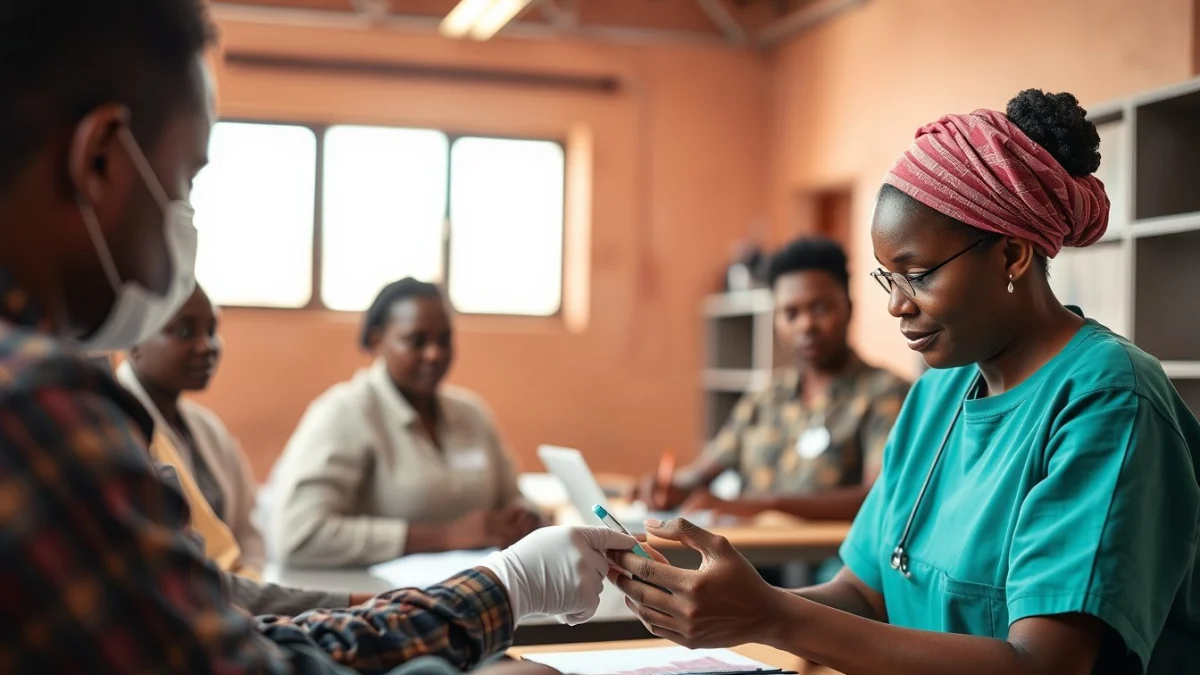
Many beginners start with passion but get confused by the mix of roles CHWs take on—from patient education to disease monitoring—often under pressure in busy, resource-scarce environments. The reality is that CHWs juggle diverse tasks daily, and knowing exactly what the role involves and how to prepare is key to success.
What Does a Community Health Worker Really Do?
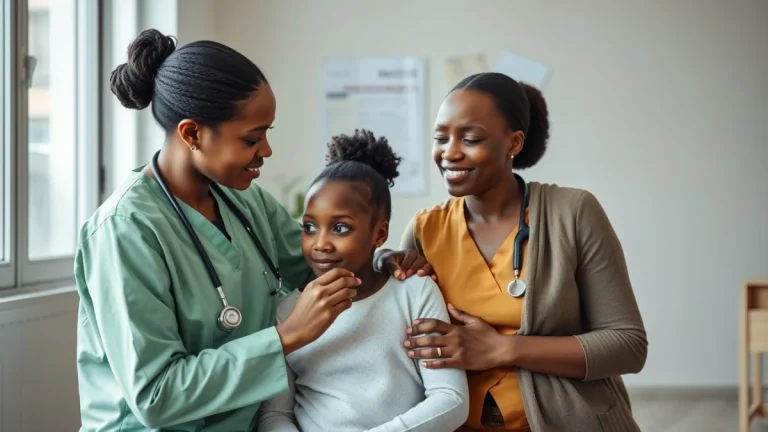
At its core, the CHW’s job is hands-on and community-facing. You’ll visit homes, advise on hygiene, support chronic patients, assist with maternal and child health, and recognise warning signs that need urgent attention. This frontline role often means dealing with emergencies and sensitive health information while building trust with people who may be wary of formal healthcare systems.
A realistic daily moment: a CHW might spend part of their day calmly explaining medication to an elderly patient, then sprint to a household where a child shows danger signs needing a swift referral. It can be overwhelming without good training.
Key Skills You’ll Need as a Community Health Worker
- Strong communication: You explain health info simply and respectfully, overcoming language and cultural differences.
- Observation: Spotting symptoms or changes in patient health before things worsen.
- Empathy and patience: Building trust with often vulnerable individuals and families.
- Basic first aid: Managing minor injuries and recognising emergencies.
- Record keeping: Accurate data entry and confidentiality matter as much as the caregiving.
- Adaptability: You work with limited resources and unpredictable challenges.
Many beginners underestimate how vital soft skills like active listening and cultural sensitivity are. Focusing only on medical info can limit your impact in real community settings.
How to Become a Community Health Worker: Your Learning Path
You don’t need previous healthcare experience to start. The free online community health worker certificate course South Africa offers step-by-step training—from anatomy basics and ethical principles to mental health awareness and workplace safety.
The online format makes it accessible, letting you study while managing other commitments. What learners often don’t expect is how much time you’ll spend practising communication and community education skills—these prepare you best for real situations.
What Employers Look For
Employers want CHWs who can:
- Demonstrate understanding of local healthcare challenges.
- Show reliable attendance and ability to work under pressure.
- Use clear, confidential record-keeping practices.
- Meet basic first aid competencies and safety protocols.
- Approach patients with respect and empathy.
Having a certificate confirms you’ve covered these areas. But on the job, your attitude and practical skills matter most.
Where in South Africa Can You Work as a Community Health Worker?
Community health workers are needed in:
- Government clinics and primary healthcare centres
- Non-profit and NGO projects focusing on rural or underserved areas
- Public health campaigns and vaccination drives
- Home-based care organisations
- Private healthcare providers expanding outreach
Many CHWs also collaborate closely with nurses and local social workers, so teamwork skills are valuable.
Career Growth: What’s Next After Starting as a Community Health Worker?
Starting as a CHW gives insight into public health systems and frontline care. With experience and further training, you might progress to:
- Clinic or program coordinator roles
- Health promotion specialist positions
- Enrolled nursing or midwifery courses
- Community development or social work roles
- Supervisory or training roles for new CHWs
Many CHWs choose to specialise later in mental health, maternal care, or chronic disease management. The practical, hands-on knowledge you gain early on is your foundation.
How Much Can You Expect to Earn?
CHW salaries in South Africa vary widely depending on employer, location, and experience. Entry-level wages often start modestly—around R5,000 to R8,000 per month in some areas—reflecting the nature of community and government roles.
With progression, additional responsibilities, or work for larger NGOs, income can rise. But pay is rarely high compared to other healthcare roles. Many CHWs balance the financial reality with the satisfaction of community impact.
What Future Opportunities Should You Watch For?
South Africa’s healthcare system increasingly relies on community-based workers. The government and NGOs are expanding initiatives to control diseases like HIV, TB, and chronic conditions. This means ongoing demand for trained CHWs.
Innovations such as mobile health tech training and integration into formal nursing pathways may soon offer smoother career ladders beyond the CHW role.
Beginner Tips for Starting a CHW Career
- Don’t rush into fieldwork before completing formal training—basic anatomy and ethics are foundational.
- Focus on building communication and empathy skills—they’re as important as medical facts.
- Be realistic about the workload and emotional challenges; self-care matters.
- Keep neat records; sloppy reporting can cause serious problems for patient care.
- Look for free community health worker skills courses in South Africa to widen your toolbox.