What to Know First About School Receptionist Skills
If you’re thinking about becoming a school receptionist, knowing what skills matter most can save you from feeling overwhelmed. This free school receptionist course with certificate in South Africa gives a straight-up look at the real duties you’ll handle daily. The job isn’t just about answering phones or greeting visitors — it’s juggling tasks, managing emergencies, and keeping the school office running smoothly.
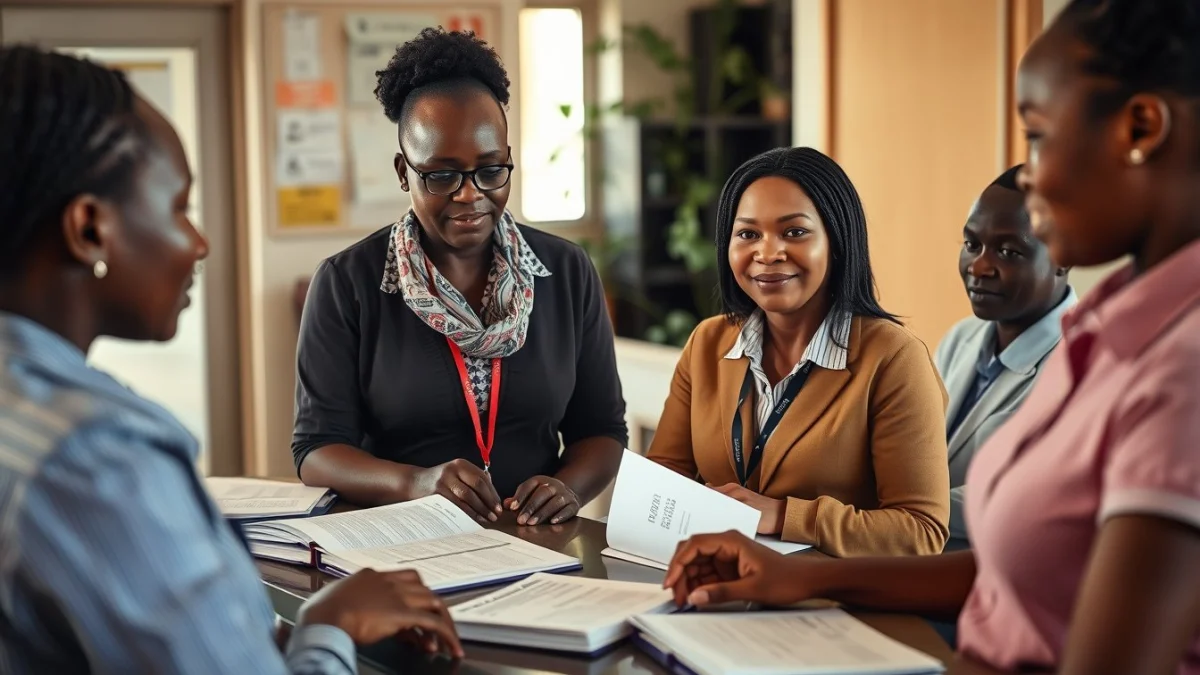
Many beginners expect the role to be simple, but they quickly discover it’s fast-paced and requires sharp communication and organisation skills. Imagine trying to register a visitor while answering a difficult phone call and managing a delivery all at once — that’s the kind of multi-tasking you’ll learn to handle. Knowing what’s essential helps you prepare and grow confidence before stepping into the role.
Key Skills Every School Receptionist Needs
Communication Skills
Clear, polite communication tops the list. Greeting visitors warmly, answering phone calls without rushing, and using calm, professional language go a long way. Don’t forget non-verbal cues like eye contact and tone; they affect how visitors and staff perceive you. Handling tricky calls from stressed parents or upset visitors is often tougher than expected. The course trains you to stay composed and listen actively.
Organisation and Multitasking
A cluttered desk or missed messages hurt the entire school. Keeping the reception neat, recording visitor information accurately, and managing appointment calendars without mixing up times are all vital. One common pitfall is underestimating how quickly the front desk can get busy — having a system to prioritise tasks helps you avoid costly mistakes.
Using Technology
Basic knowledge of office software, telephone systems, and data entry is a must. Schools often use multi-line phones and digital visitor logs. Slow or incorrect data entry can lead to confusion, such as incorrect visitor access or missed appointments. Don’t worry if tech feels daunting; this free beginner school receptionist course in South Africa covers these tools step-by-step.
Customer Service and Professionalism
The reception is the school’s first impression. Being friendly, respectful, and patient impacts the entire school environment. Complaints and conflicts happen, but how you manage them reflects on the school. Professional dress and punctuality also matter more than people expect. Slacking here can damage trust even before you speak.
What the Daily Work Looks Like in Practice
At the start of the day, you open the reception area, check messages, and prepare visitor logs. Throughout the day, visitors arrive — parents, delivery staff, officials — and you greet and register them. Expect to answer non-stop calls: teachers confirming schedules, parents asking questions, or maintenance staff with updates.
Sometimes emergencies occur, like a sudden visitor health issue or school lockdown, and the receptionist needs to know protocol to keep everyone safe. It can be hectic: managing queues, directing visitors, and coordinating with school staff. Keeping calm and organised is the key. The course’s workplace training part prepares you for these realistic moments most beginners don’t anticipate.
Common Misunderstandings About the Role
- It’s just a “glorified phone operator”: The job actually involves problem solving, emergency response, and administration—far beyond answering calls.
- You don’t need specific skills: Communication, basic IT, and people skills are critical, not optional extras.
- Receptionists don’t influence the school environment: Your attitude and professionalism affect how staff and visitors feel and react.
- Speed is more important than accuracy: Mistakes in visitor logs or messages can create security risks or confusion.
Advice for Beginners Starting as a School Receptionist
Don’t expect to learn everything on the job. Invest time in basic training like the free school receptionist course and certificate training South Africa offers. It helps build confidence and reduces errors. When starting, focus on listening carefully and asking questions if unsure. Keep a checklist of daily tasks until you memorise routines.
Also, develop patience and stay calm under pressure. Reception is a busy spot with many interruptions but staying composed helps you stay on top of things. Finally, keep learning — courses like this also include tips on CVs and interviews to help you secure your first job and grow professionally in the school environment.