Starting as a School Receptionist: What to Expect First
If you’re looking to begin a career in school administration, a free school receptionist course with certificate in South Africa is a smart first step. This online school receptionist course South Africa offers helps you understand what the job really involves and builds your confidence without needing prior experience.
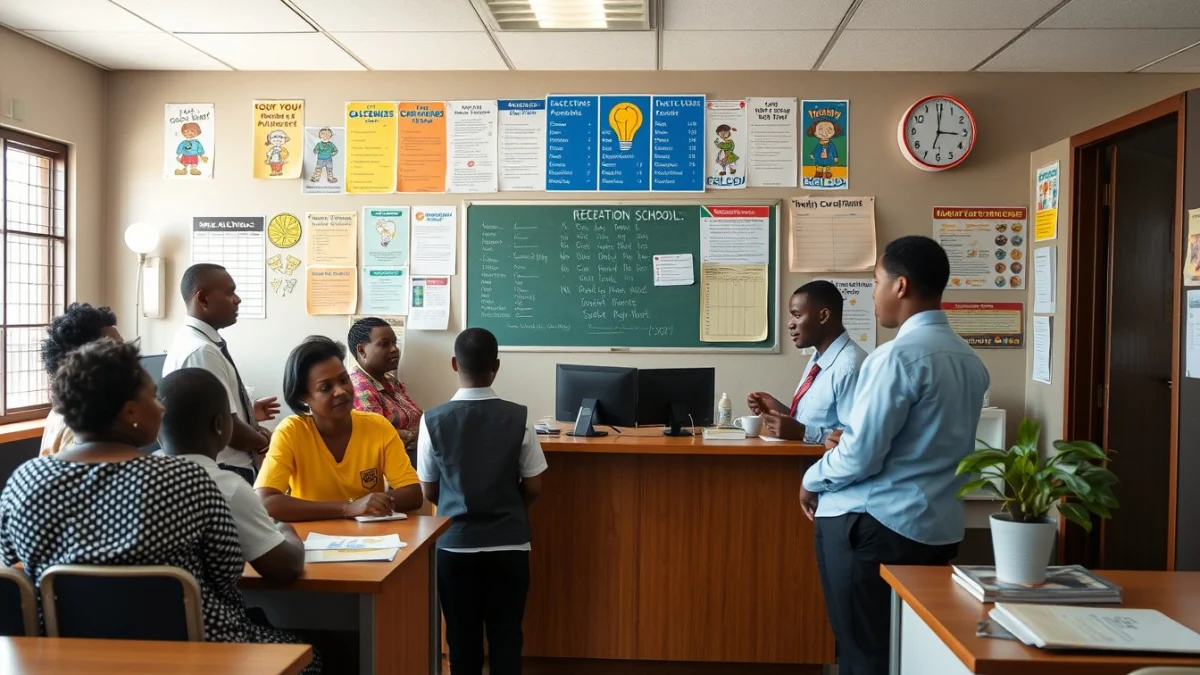
Many beginners worry about juggling the busy reception desk—the constant phone ringing, welcoming parents, and handling unexpected problems all at once. It can feel overwhelming without proper training. For example, answering multiple calls while recording a visitor’s information and managing sudden interruptions is a typical real-life scene. This course teaches you how to handle these moments calmly and professionally so you’re ready to take control from day one.
What You Need to Know Before You Start
The Role in a Nutshell
A school receptionist is the first point of contact for visitors, pupils, parents, and staff. You manage the school’s front desk, answer calls, handle appointments, register visitors, and support administrative tasks. This requires solid organisation, clear communication, and a polite, patient attitude.
Who Can Start Without Experience?
Absolutely—you don’t need previous work history to begin. That’s why this free school receptionist course and certificate for beginners in South Africa exists. It walks you through basic duties and the key skills—like managing the telephone system, visitor registration, and handling emergencies. Employers often expect new receptionists to learn on the job, so completing a course beforehand gives you a valuable advantage.
Step-by-Step: How to Begin Your School Receptionist Journey
- Sign up for a free school receptionist online training South Africa: Choose a course that includes both skills and workplace scenarios, like this online school receptionist course with certificate South Africa.
- Learn the basics: Start with understanding the daily tasks and essential skills such as communication and guest handling.
- Practice communication skills: Polite, clear speaking, listening well, and managing difficult callers or visitors are key.
- Familiarise yourself with office technology: Basic software, telephone systems, and scheduling tools commonly used in schools.
- Complete quizzes and practical exercises: These reinforce your knowledge and prepare you for real reception duties.
- Build your CV and prepare for interviews: The course usually covers how to showcase your new skills and present yourself professionally.
- Keep practising and learning: The role may require handling unexpected situations—ongoing training helps you stay confident and effective.
Key Skills and Requirements for School Receptionists
- Professional communication: Clear, polite, and friendly verbal and non-verbal interaction with visitors and staff.
- Organisation: Keeping the reception area tidy and paperwork accurate, including visitor logs and messaging.
- Telephone handling: Managing multiple lines, taking proper messages, and filtering calls professionally.
- Basic office tech skills: Using email, calendar apps, and simple data entry effectively.
- Problem solving: Knowing when to escalate issues and how to calmly manage daily challenges.
- Confidentiality and professionalism: Respecting privacy and maintaining a positive school image.
Common Mistakes Beginners Make and How to Avoid Them
Trying to Handle Everything at Once
New receptionists often try to answer every phone call, greet every visitor personally, and finish all tasks immediately. This can lead to mistakes like missing messages or losing visitor details. The best approach is to prioritise calmly: handle urgent calls first, politely let visitors wait if needed, and update records immediately after each interaction to avoid errors.
Neglecting Written Communication
Some beginners underestimate the importance of accurate record-keeping and message-taking. Missing or unclear information can cause confusion for teachers or parents later on. Always double-check details before passing them on or logging them.
Forgeting to Maintain Confidentiality
In a school setting, sensitive information must be handled carefully. Beginners often make the mistake of sharing or leaving information visible. Keep visitor lists and student info private, and never discuss sensitive matters in public areas.
What the Job Really Looks Like Day to Day
Beyond the first impression of a quiet front desk, expect a constant flow of activity. You might welcome parents dropping off forms, answer inquiries about school events, handle deliveries, and support teachers booking appointments. During emergencies or busy times, stress can rise quickly.
Learning workplace etiquette and maintaining professionalism, even under pressure, is crucial. This will earn trust from school staff and visitors alike. The course you take should prepare you for these practical realities, not just textbook answers.
Feeling Ready? Here’s Your Action Checklist
- Enroll in a free beginner school receptionist course with certificate South Africa.
- Focus on mastering communication and organisational skills first.
- Practice real-life scenarios like visitor check-ins and emergency responses.
- Create a clear, honest CV highlighting your new skills.
- Prepare for interviews by practicing common questions and professional conduct.
- Keep learning—consider short courses on customer service or computer skills after the initial training.