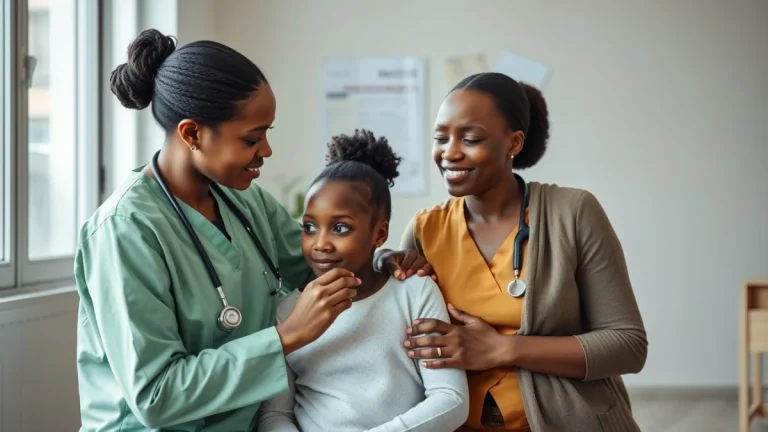
What to Know First: Key Skills Employers Want in Community Health Workers
If you’re looking for a Free Community Health Worker Course with Certificate in South Africa, you’re probably curious about what skills employers actually want. At its simplest, community health workers need to combine practical healthcare knowledge with strong communication and empathy. These skills let you support patients and families effectively within local communities, often under pressure and with limited resources.

One early confusion for beginners is thinking that just knowing health facts is enough. In reality, many community health workers find that building trust and understanding people’s circumstances is even more important—and more challenging—than remembering medical details. When you’re working in busy community clinics or visiting homes, these soft skills often determine how successful you are at your job.
Why These Skills Matter on the Ground
Community health workers in South Africa play a big part in healthcare access and education, especially in rural or underserved areas. They often serve as the first contact between patients and the formal health system. Knowing this makes clear why employers look for workers who can:
- Communicate clearly with people from different backgrounds and languages.
- Recognise early signs of illness or emergency and act quickly.
- Support chronic disease patients to manage their conditions daily at home.
- Maintain accurate records to help clinics track health trends and patient progress.
- Follow basic ethical practices around confidentiality and empathy.
Missing these skills can lead to real problems: misinformation, missed emergencies, or patient distrust that harms care outcomes. These are everyday risks employers want to avoid.
Breaking Down the Skills Employers Expect
1. Communication Skills
This goes beyond just talking. Employers want community health workers to use both verbal and non-verbal cues effectively, listen actively, and explain complex health issues in simple terms. Often, you’ll encounter language differences or cultural barriers, so patience and adaptability are key.
2. Basic Medical Knowledge and First Aid
Community health workers don’t replace nurses or doctors but knowing how to handle minor injuries, recognise common diseases, and understand how body systems work makes you valuable. Some employers heavily weigh your ability to provide first aid and know when a patient needs urgent referral.
3. Empathy and Ethical Conduct
Respecting patient confidentiality and showing genuine care are skills you develop with experience but need to understand from the start. It’s easy to misunderstand the community health worker’s role as just delivering instructions, but it’s really about partnership with patients.
4. Record Keeping and Reporting
Accurate notes are often overlooked by beginners but are critical on the job. Employers expect clear, timely data entry to aid in patient follow-up and overall clinic reporting. Failing here can cause treatment delays or wrong medication.
5. Handling Pressure and Professional Growth
Community health work can involve long days, emotional stress, and unexpected crises. Employers appreciate workers who manage stress, take care of their own health, and show willingness to learn new skills.
What a Community Health Worker Does Day to Day
Picture this: You start your shift visiting several homes in a rural township. At one house, you calmly listen as a mother describes her baby’s unusual rash. You reassure her, note the symptoms, apply basic first aid guidance, and advise her to visit the clinic if it worsens. You record all details precisely for the clinic nurse. Next, at a support group, you explain how to manage diabetes, using simple language and visual tools. You finish reporting your day’s work, knowing each step matters for patients you might never see again.
This mix of hands-on care, education, and administrative work is reality for most community health workers. It’s not glamorous but it requires solid skills and heart.
Common Mistakes Beginners Make
- Neglecting communication barriers: Assuming everyone understands health terms leads to confusion and mistrust.
- Skipping careful record-keeping: Poor notes cause follow-up failures and strain on clinics.
- Overestimating clinical roles: Trying to diagnose or treat beyond your scope puts patients at risk.
- Ignoring self-care: Burnout often hits new workers who underestimate job stress.
Simple fixes like asking clear questions, taking time to record well, sticking to your training limits, and having a self-care routine make a big difference early on.
Tips for Beginners Starting Community Health Work
- Focus on learning communication techniques early—practice listening and empathy daily.
- Use the syllabus of a free community health worker course South Africa offers to guide your study.
- Keep a notebook to track common diseases and emergencies you encounter.
- Ask experienced workers about real case examples—they often share practical tips no course covers.
- Develop routines for accurate record-keeping right from the start.
- Plan ways to manage stress: rest, nutrition, proper workspace safety.