Quick Answer
A safety representative checklist is a step-by-step tool that helps you spot hazards, check safety equipment, and make sure your workplace follows health and safety rules. It’s designed to guide you through inspections and reporting duties so workers stay safe and the company stays compliant with the South African OHS Act.
If you’re new to this role, having a solid checklist makes your job easier and gives you confidence. You’ll keep track of important safety checks, help fix problems early, and support your workplace in meeting legal health and safety standards.
Why Use a Safety Rep Checklist in South Africa?
As a health and safety representative in a South African workplace, you’re responsible for helping make sure the work environment is safe for everyone. The Occupational Health and Safety Act (OHS Act) sets out rules to protect workers, and you need to monitor these rules being followed. A checklist gives you a clear, step-by-step guide to follow, so you don’t miss anything important.
For beginners, it’s easy to feel unsure about what to check or how to report risks. The checklist breaks down your duties into manageable tasks, like checking personal protective equipment (PPE) or emergency exits. Using a checklist regularly builds your skills and helps create a safer workplace for everyone.
What Should a Safety Rep Checklist Include?
A good safety rep checklist covers everything you need to look out for in a workplace. Here are the main areas to include:
- Hazard Identification: Spot risks like unsafe machines, chemical spills, noisy areas, or heavy lifting dangers.
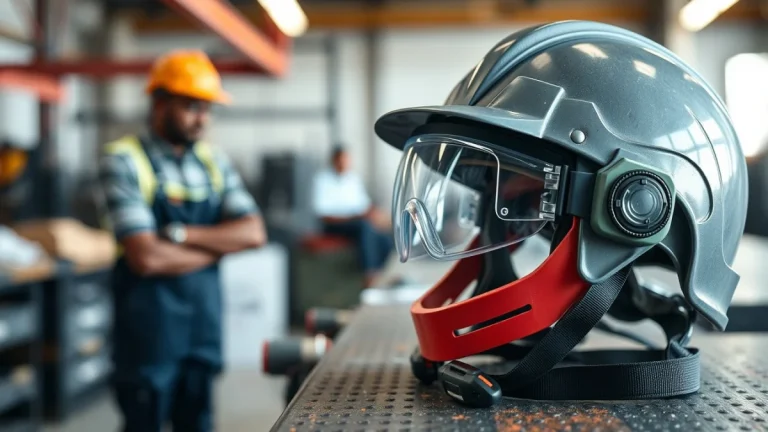
- Personal Protective Equipment (PPE): Check if PPE like gloves, helmets, or masks are available, used, and in good condition.
- Safety Policies and Signage: Make sure safety rules are clear, signs are visible, and housekeeping keeps the work area clean and free of trip hazards.
- Inspection Procedures: Look closely at machinery safety, fire extinguishers, emergency exits, and electrical equipment.
- Incident Reporting: Confirm workers know how to report accidents or near misses and that records are kept.
- Follow-up on Problems: Note any issues and track if management fixed them on time.
- Training and Communication: Check if toolbox talks or safety meetings happen regularly and information reaches all employees.
How to Use Your Safety Checklist
Following a checklist properly ensures you cover all safety duties effectively. Here are practical steps to follow:
- Prepare in advance: Learn about your workplace layout and main hazards before starting your inspection.
- Inspect regularly: Don’t wait for problems to happen – do checks often to catch risks early.
- Get workers involved: Ask employees about safety concerns during your inspection to get a full picture.
- Write clear reports: Document what you find, good and bad, so records are available for everyone.
- Follow up: Work with management to fix problems and check if fixes happen on time.
- Update your checklist: Change it if workplace conditions or rules change to stay current.
Common Mistakes to Avoid with Safety Checklists
Even a great checklist can fail if you don’t use it properly. Watch out for these common errors:
- Skipping items: Don’t rush. Missing parts of the checklist means risks can be overlooked.
- Not recording findings: If you don’t write down issues, nothing gets fixed.
- Ignoring follow-up: Problems that aren’t checked later still put workers at risk.
- Not involving employees: You miss valuable safety info if you don’t listen to the team.
- Poor record keeping: Safety records protect you, workers, and the company during investigations.
Sample Safety Rep Checklist
Use this simple checklist as a starting point for your inspections:
- Are emergency exits clear and well marked?
- Is PPE available, worn correctly, and in good shape?
- Are fire extinguishers checked and easy to reach?
- Have all hazards from the last inspection been fixed?
- Are hazardous substances stored safely and labelled?
- Is the workplace clean with no slip or trip dangers?
- Is safety signage easy to see and understand?
- Are incidents and near misses recorded properly?
- Do toolbox talks or safety meetings happen regularly?
- Are health and safety committee meetings held and documented?
FAQs About Safety Rep Checklists
What is the main purpose of a safety rep checklist?
How often should I do workplace safety inspections?
What should I do if I find a serious hazard?
Can I customize my safety rep checklist?
If you want to build stronger skills in workplace safety, consider taking EduCourse’s Free Health and Safety Representative Certificate Course. It covers everything from inspections to incident reporting and safety committee roles, all designed to help you do your job confidently and keep your workplace safe.