Quick Answer
A construction risk assessment checklist helps you identify, evaluate, and control hazards on site. It’s a step-by-step tool that keeps workers safe, ensures legal compliance, and reduces delays or extra costs during your project.
If you’re new to construction project management in South Africa, knowing how to use a risk checklist is important. It helps you spot problems early and act before risks turn into accidents or expensive mistakes.
Why Use a Risk Assessment Checklist on Construction Sites?
Construction sites have many dangers—from working at heights to handling chemicals. Without a clear way to spot and control risks, your project can face injuries, legal fines, or costly delays. A checklist breaks down these risks clearly so you don’t miss anything important. It’s a practical tool that fits how construction work happens in South Africa, helping you keep workers safe and follow the Occupational Health and Safety Act.
For beginners managing projects, the checklist also acts as a record to prove you’ve checked risks and taken action. This transparency can protect you if something goes wrong or if authorities inspect the site.
What Is in a Construction Risk Assessment Checklist?
A risk assessment checklist lists hazards, rates their danger, and shows how to control them. It should cover all phases of your project, from preparing the site to handing over the finished job. As the work changes, the checklist should be updated with new risks or revised controls.
In South Africa, your checklist should also cover legal and environmental requirements. This means including risks linked to labour laws, material handling, and protecting the environment from pollution or damage.
Key Parts of the Checklist
- Hazard Identification: Spot dangers like falling tools, exposed electrical wires, and unstable structures.
- Risk Evaluation: Judge how likely and severe each risk is (low, medium, high).
- Control Measures: Outline practical actions such as using PPE, fencing off areas, or special staff training.
- Assigned Responsibility: Name people who will manage or fix each risk.
- Review Dates: Plan when to check and update the checklist so controls stay effective.
How to Do a Risk Assessment Step by Step
Use your checklist by following these steps on your construction site:
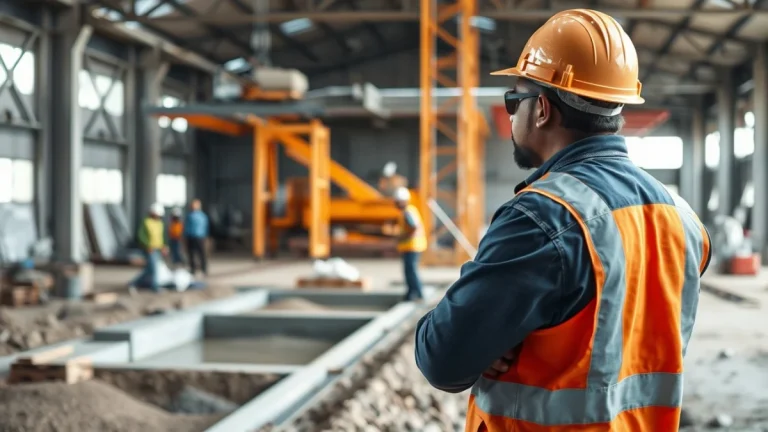
- Walk the Site: Look for hazards in every area from groundworks to scaffolding.
- Talk to the Team: Ask workers, subcontractors, and safety officers for input on risks they face.
- Fill Out the Checklist: Write down hazards, risk scores, and control plans clearly.
- Put Controls in Place: Do things like install safety gear, give instructions, or fix unsafe spots immediately.
- Keep Monitoring: Regularly check if risks stay low or if new problems appear.
- Document Everything: Keep records safe and accessible for audits or future projects.
Common Checklist Items for Construction Projects
Here are typical hazards you’ll want to include and control for:
- Working at Heights: Risk of falls. Controls = inspect scaffolds, use safety harnesses, give height work training.
- Machinery Use: Heavy equipment dangers. Controls = operator certification, routine maintenance, safe zones.
- Hazardous Materials: Chemicals risks. Controls = safe storage, PPE, handling protocols.
- Weather Conditions: Heat, rain, wind. Controls = adjust schedules, provide shade and water.
- Fire Risk: Site ignition sources. Controls = fire extinguishers available, evacuation plans, drills.
FAQs
How often should I update the risk assessment checklist?
Can I use a general risk assessment checklist for all projects?
What happens if I don’t do risk assessments on a construction site?
Is risk assessment part of construction project management courses?
If you want to build solid skills in managing risks and projects, enrol in the Construction Project Management Course with Certificate. It’s free and covers everything from safety to cost control, helping you become confident handling construction projects in South Africa.