Quick Answer
Both employees and health and safety representatives in South African workplaces must use, maintain, and monitor personal protective equipment (PPE) correctly. This includes wearing the right gear when needed, reporting damaged items, attending training, and making sure PPE rules are followed to keep everyone safe.
For beginners or anyone new to PPE, it can be confusing knowing exactly what your role is, so it pays to learn the basics of PPE duties and common mistakes to avoid. This helps protect you and your colleagues everyday in workplaces with potential hazards.
Why PPE Responsibilities Matter in South African Workplaces
PPE is designed to protect workers from dangers they can’t always avoid, like chemicals, falling objects, or dust. South African law requires employers to provide PPE, but employees and safety reps also have important roles to make sure it works well and is used properly.
Many accidents happen because PPE isn’t worn right, isn’t in good condition, or isn’t used consistently. Knowing your PPE duties lowers risk and helps avoid serious injuries. Plus, following PPE rules keeps your workplace lawful and safer for everyone.
PPE Duties for Employees: What You Need to Do
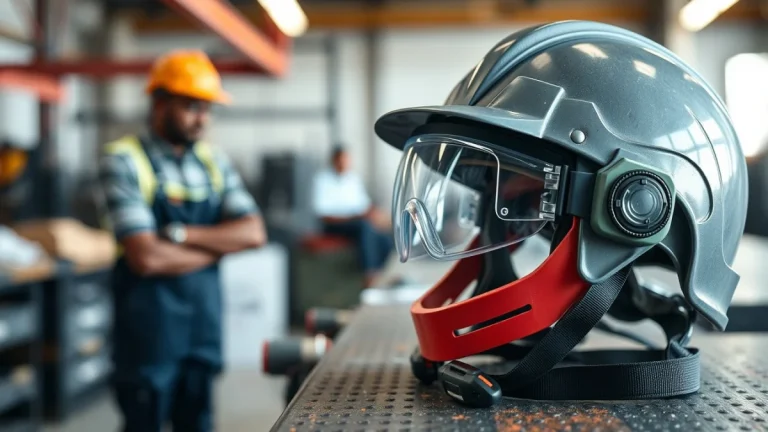
As an employee, you must wear the correct PPE whenever the work requires it. This means always using the gear properly, like wearing gloves when handling chemicals or helmets on construction sites. Make sure your PPE fits well and is comfortable enough to wear through your shift.
If your PPE gets damaged or doesn’t fit properly, tell your supervisor or safety representative straight away. Don’t try to work without it or with faulty gear. You also need to keep your PPE clean and store it safely when you’re not using it. Attending any PPE training sessions or safety talks organized at your workplace is important to keep your knowledge fresh.
The Role of Safety Representatives in PPE Care and Compliance
Safety representatives act as the middle person to help employees and management work together on safety issues like PPE. Part of their job is to check that the right PPE items are provided and that they meet South African safety standards.
They also help spot if any PPE is worn out or being used incorrectly. Safety reps support training programs about how to use PPE properly and remind everyone about the rules. They regularly monitor adherence to PPE policies during inspections or daily checks and report findings to health and safety committees.
Common PPE Mistakes and How to Avoid Them
One of the most common PPE errors is not wearing the equipment consistently, often due to discomfort or lack of understanding why it’s needed. Safety reps should talk with employees to find better, more comfortable PPE options and explain why PPE use is non-negotiable for safety.
Another mistake is ignoring PPE maintenance. Damaged gloves or cracked helmets don’t protect and can cause accidents. Regular inspections and immediate reporting of faults help fix these problems before they cause harm.
Poor training or confusing instructions lead to misuse. Clear, simple guidance and refresher talks help employees know when and how to wear PPE correctly, making safety a daily routine, not a headache.
How to Make PPE Work in Your Workplace
Start by understanding the risks in your workplace and which PPE items are needed. Safety representatives and management should then make sure these PPE types are available and in good condition.
Employees need practical, easy-to-understand training on PPE use, plus reminders through toolbox talks or signs. Safety reps can create checklists and perform spot checks to catch problems early.
Any failures or injuries related to PPE should be recorded and reviewed, so improvements can be made quickly. This teamwork helps keep PPE use on track and prevents accidents.
FAQs
What are the main PPE items used in most South African workplaces?
Who must provide PPE at work in South Africa?
How can safety reps encourage workers to use PPE consistently?
What should I do if my PPE is broken or unsafe?
To get a full grip on health and safety roles including the practical use of PPE, check out the free Health and Safety Representative Certificate Course by EduCourse. It will help you protect yourself and others effectively on the job.