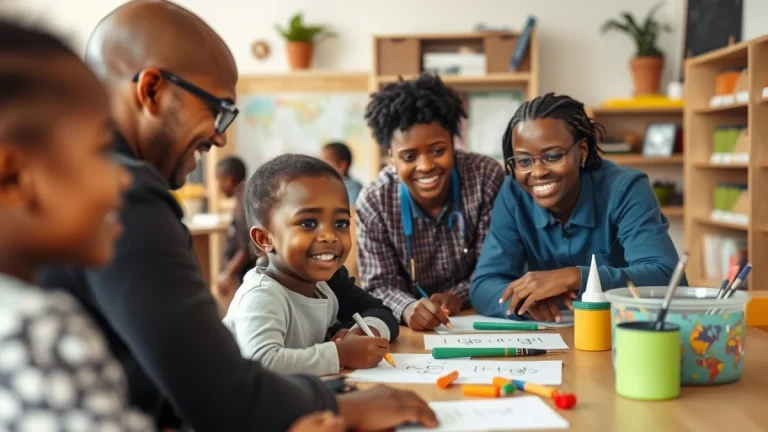
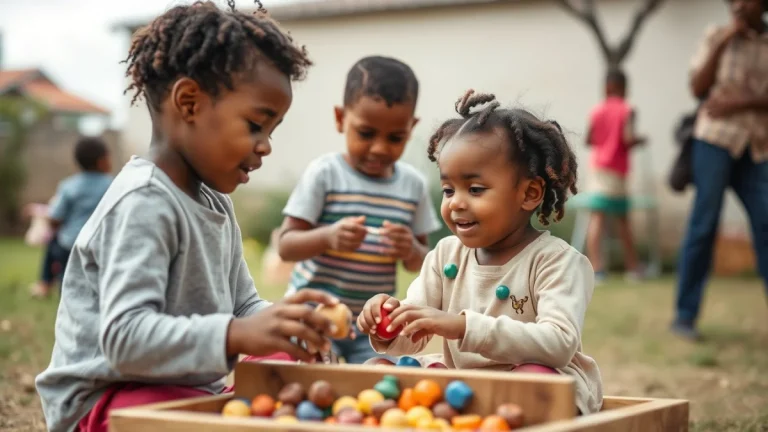
Physical, Cognitive and Emotional Child Development Explained
If you want to know how children grow and learn at different stages, this is for you. The free Child Development Fundamentals Course with Certificate in South Africa covers the basics of how kids develop physically, mentally, and emotionally. It’s built for beginners who want practical knowledge to use at work or home. Whether you work with children or simply want to understand their needs better, this course helps you get it right from the start.
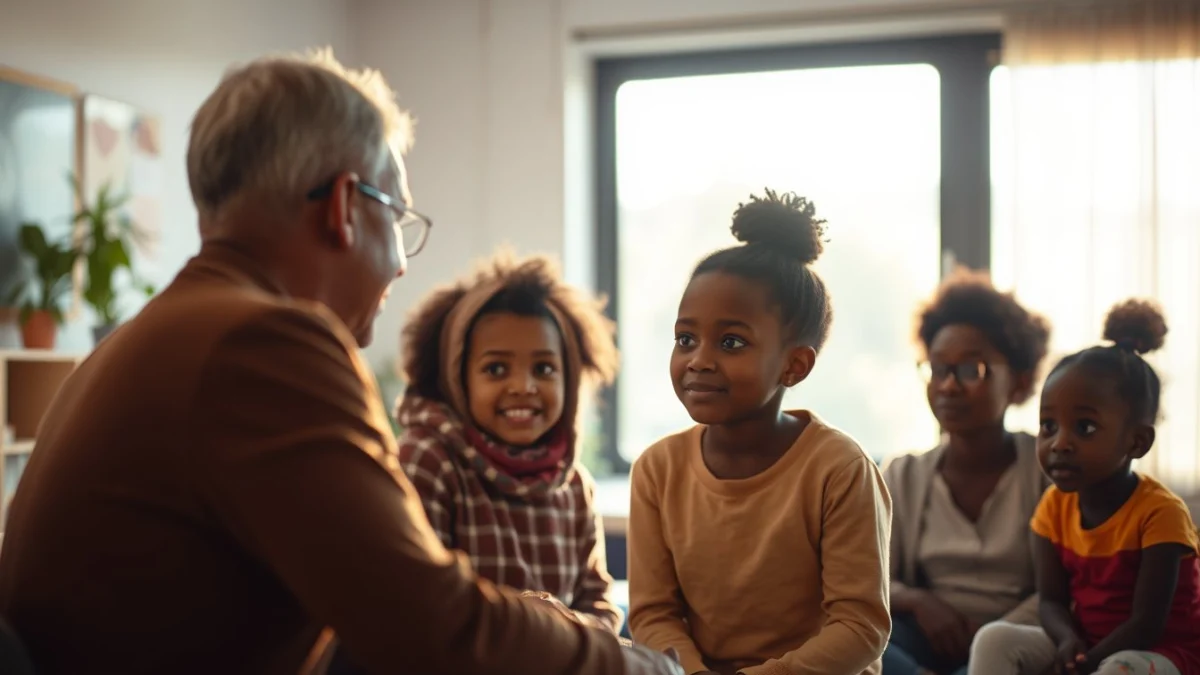
Many new learners get confused by the overlapping growth areas. They expect child development to be a simple checklist, but it’s much more integrated and complex. In South African workplaces like early childhood centres or community programmes, missing out on one development area means children’s needs can go unnoticed, and mistakes often happen. For example, a caregiver might focus on physical milestones but overlook emotional signs, causing frustration for both child and adult.
What You Should Know First About Child Development
Child development happens in three big areas: physical, cognitive (thinking), and emotional growth. These parts affect each other constantly. Physical development means how children grow taller, learn motor skills, and improve health. Cognitive development covers how they think, solve problems, and learn language. Emotional development includes feelings, behaviour, and social skills.
Understanding these areas matters because every child develops differently but follows similar patterns. Missing or ignoring any area can delay overall progress. This matters a lot in workplaces where early detection of delays or problems can lead to better support and services.
Breaking Down the Core Parts of Child Development
Physical Development
- Motor skills grow in stages—from crawling and walking to drawing and writing.
- Nutrition and physical activity are crucial. Poor nutrition slows growth and weakens immunity.
- Physical milestones like sitting alone or holding objects show typical progress.
Cognitive Development
- This involves how children think, learn language, remember, and solve problems.
- Language learning is gradual—babies babble first, then form words, then sentences.
- Memory and attention grow over time, influencing how well children learn new skills.
Emotional and Social Development
- Children learn to recognise feelings, control behaviour, and interact with others.
- Social skills grow when kids play and communicate with peers.
- Caregiver support teaches children how to manage emotions and solve conflicts.
What This Looks Like in Practice: A Typical Day at a Childcare Centre
A caregiver notices that a 2-year-old can’t stack blocks or use words to ask for help. They remember their training and check all three development areas. The child’s physical skills lag behind, but more concerning is the lack of early language development. They speak to the parent, recommend a healthcare check, and adjust activities to include more language play. This simple step avoids larger problems later.
In South African workplaces, juggling child wellbeing with safety, nutrition, and learning support is common. Workers often feel overwhelmed without proper training. The Child Development Fundamentals Course teaches you how to spot issues early and apply simple actions that support the child and reduce stress on the caregiver.
Common Beginner Mistakes to Avoid
- Focusing on one area only: Many think physical milestones are the most important and forget about emotions or thinking skills. This narrow view can miss developmental delays.
- Expecting all children to develop at the exact same pace: Development has a wide range of normal. Comparing children too harshly can be harmful.
- Neglecting the role of environment: Quiet, unsafe, or unstimulating surroundings slow development. Caregivers must create positive spaces.
- Ignoring signs of special needs: Early intervention helps children with learning or physical difficulties. Many beginners miss early red flags.
How to Start Learning and Supporting Child Development
Start with simple daily observations. Notice how children move, talk, interact, and express feelings. Ask yourself what skills are emerging or missing. Use clear, basic checklists from reliable sources like the free Child Development Fundamentals Course with Certificate South Africa offers. This course guides you on developmental stages, health and safety practices, and how to help children with special needs.
Don’t rush the learning. Building this knowledge step-by-step helps you connect theory with real kids’ behaviour and challenges. Also, practice patience—child development is a slow process, and supporting it well means being consistent and attentive.
FAQs About Child Development Fundamentals
What is child development and why does it matter?
How do physical, cognitive, and emotional development connect?
Can a free online course really help me understand child development?
What should I do if I spot developmental delays?
Ready to Learn More?
If you want hands-on skills and a certificate to support your work or caregiving role, the Child Development Fundamentals free online course is a great place to start. It walks you through physical, cognitive, and emotional development clearly and at a pace that fits beginners in South Africa.