What to Know First About Patient Care Assistant Skills
If you’re looking for a free patient care assistant course with certificate in South Africa, you’ll want to focus on real skills that matter on the job. Patient care assistants (PCAs) do much more than basic tasks. They provide hands-on support to patients and healthcare teams, often in busy clinics, hospitals, or community care settings.
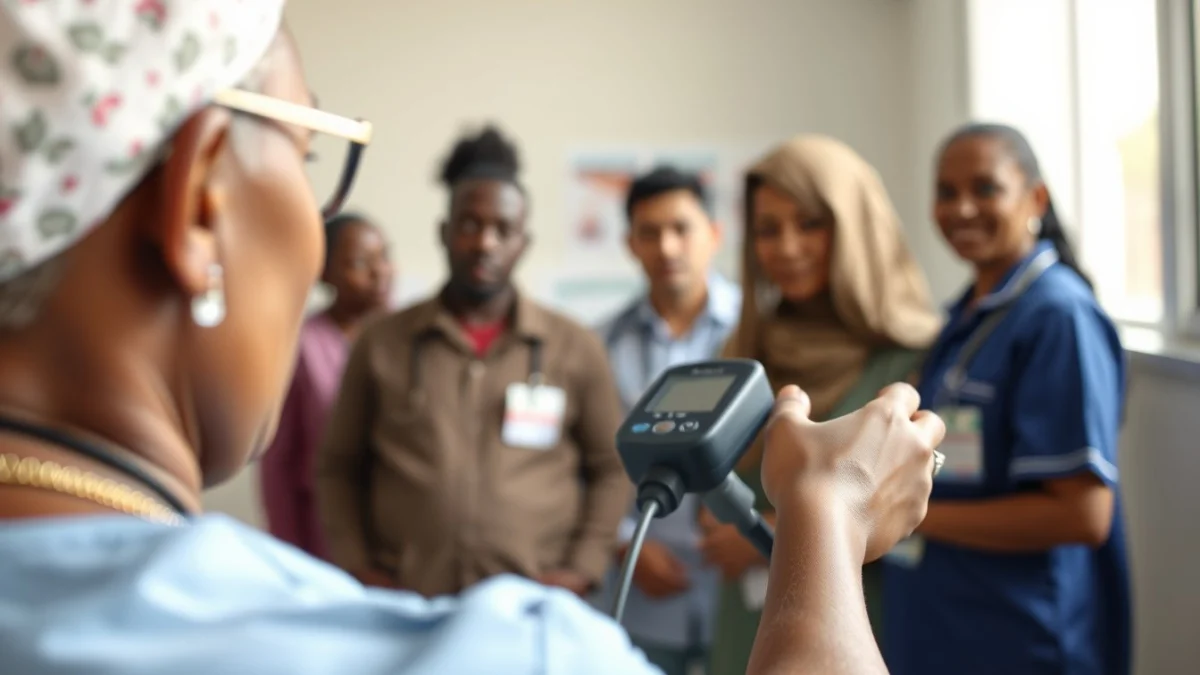
Beginners often expect cleaning wounds or giving medication right away, but the most immediate skill you need to develop is communication and observation. In a typical South African healthcare setting, PCAs must handle pressure from heavy patient loads and fast-changing conditions. Missing small signs or misunderstanding instructions can lead to real patient harm or extra stress on nurses and doctors.
How Patient Care Assistant Skills Work in Practice
Patient care assistants support patients’ day-to-day needs so nurses and doctors can focus on clinical tasks. That means helping with basic hygiene, feeding, monitoring vital signs, and assisting patients to move safely.
One practical but often overlooked skill is the ability to notice small changes in a patient’s condition — like altered breathing or skin colour — and report these quickly. This kind of observation is vital in South African hospital wards, where staff can be stretched thin.
A common mistake beginners make is thinking their job is ‘just’ cleaning or carrying patients. In reality, care assistants are the eyes and ears for the clinical team. If you don’t develop communication skills alongside practical care, your work risks being inefficient or unsafe.
The Core Patient Care Assistant Skills You’ll Need
1. Communication and Cultural Sensitivity
- Listening carefully to patients and staff, even when emotions run high or language differs
- Understanding body language and nonverbal cues
- Respecting cultural and language diversity common in South Africa’s healthcare settings
2. Basic Patient Hygiene and Support
- Assisting with bathing, grooming, and dressing without compromising patient dignity
- Using infection control measures like hand hygiene and proper waste disposal
3. Nutrition and Feeding Assistance
- Helping patients eat and drink safely
- Recognising signs of poor nutrition or feeding difficulties and reporting them
4. Monitoring Vital Signs and Reporting
- Taking pulse, temperature, and respiration readings accurately
- Knowing what abnormal signs look like and passing this information to nurses promptly
5. Safe Mobility and Handling
- Practising safe lifting and moving techniques to avoid injury
- Using mobility aids correctly, including wheelchairs and walking supports
6. Emotional Support
- Recognising signs of stress or anxiety and providing comforting communication
- Knowing when to escalate concerns about mental health
Real Workplace Example: A Day as a Patient Care Assistant in South Africa
Imagine this: You’re beginning your shift in a busy public hospital. A patient who can’t speak your local language needs help with feeding. You use basic phrases and gestures learned through training to encourage them patiently while carefully watching for choking signs.
Between helping other patients bathe and assisting with mobility, you notice one patient’s breathing is faster than usual. Instead of ignoring it, you report it up the chain. This quick action means medical staff catch a worsening condition early.
This scenario shows how communication, observation, and basic care skills come together. It’s the small acts done consistently that make the biggest difference.
Common Misunderstandings for Beginners
Beginners often think certifications just prove you can do physical tasks. But the biggest gap is usually communication and knowing when something is not right with a patient. Missing subtle signs can worsen patient outcomes.
Another mistake is rushing tasks to keep up with workload. This leads to mistakes such as not properly washing hands or incorrectly assisting with movement, increasing infection risks and injuries.
Remember, your work supports a whole team and depends on patience, attentiveness, and respect as much as practical skills.
Advice for Beginners Starting This Course and Role
- Focus first on learning how to communicate clearly and listen to patients.
- Practice safe hygiene habits as if your life depends on it — because it kind of does.
- Get comfortable with the basics of body systems to notice when something is off.
- Use the training’s quizzes and scenarios to test your attention to detail.
- Ask questions about cultural differences and language challenges in South African healthcare.