What a Patient Care Assistant Really Does in South Africa
If you’re looking into a free patient care assistant course with certificate in South Africa, you want to know what this role is all about. Patient care assistants (PCAs) work alongside nurses and healthcare professionals to support patients with daily tasks and basic health needs. Their work is hands-on and often demanding, focusing on keeping patients comfortable, safe, and supported throughout their care journey.
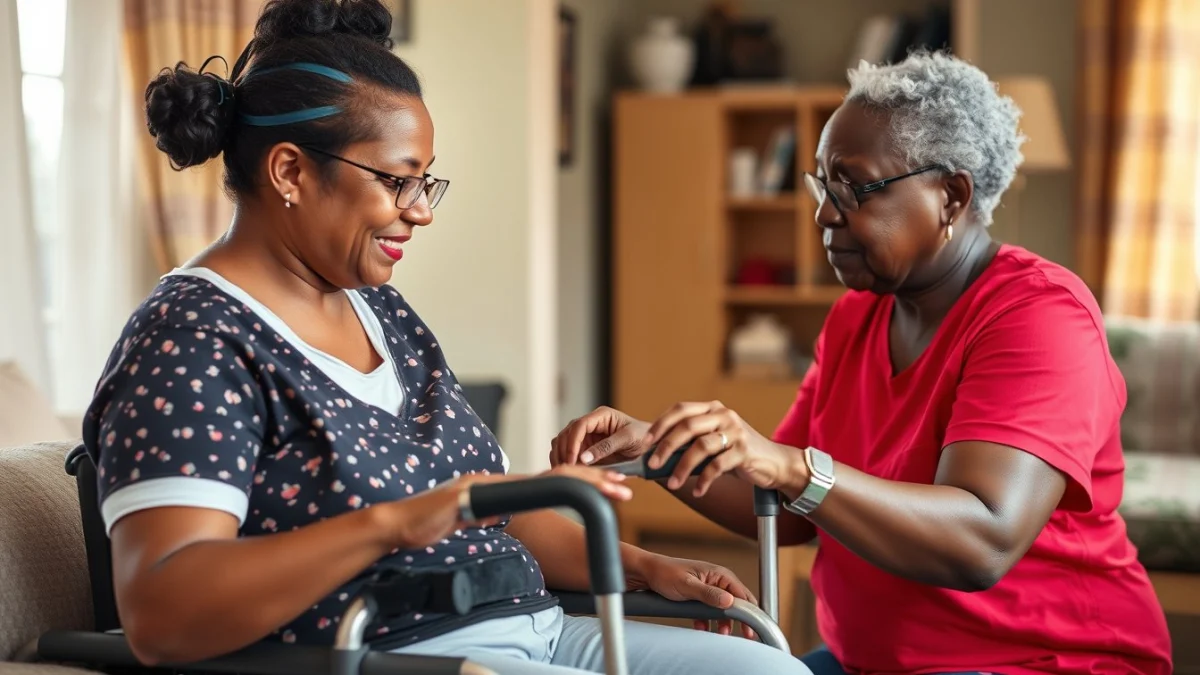
Many beginners expect PCAs to only help with feeding or cleaning, but the reality is broader. You’ll need good communication, attention to detail, and respect for patient dignity, all while navigating busy, often unpredictable healthcare environments. A common early mix-up is underestimating how much observing and reporting on patient changes matters—missing subtle signs can affect treatment decisions. South African healthcare settings also bring unique challenges like multilingual communication and diverse cultural needs, which PCs often face daily.
Understanding the Role: What Does a Patient Care Assistant Do?
A patient care assistant provides basic support that helps keep patients safe, clean, fed, and comfortable. This role fills a vital gap between medical staff and patients’ everyday needs. Here’s a quick overview of key tasks:
- Assisting patients with personal hygiene, such as bathing, grooming, dressing, and toileting
- Helping with nutrition by assisting feeding and encouraging hydration
- Monitoring vital signs like pulse and temperature and reporting any concerns to nurses
- Supporting patient mobility safely, including use of walkers or wheelchairs
- Practising infection control routines to prevent the spread of germs
- Offering emotional support through listening and empathy, especially for anxious or isolated patients
- Working respectfully within cultural and linguistic contexts common in South Africa
In the South African public and private healthcare systems, PCAs often handle heavy workloads, sometimes caring for multiple patients with different needs. This means staying organised and aware is key — missing small changes in a patient’s condition can delay critical interventions.
Practical Example: A Day in the Life of a Patient Care Assistant
Imagine beginning your shift in a busy ward. Your first task is helping an elderly patient with bathing. This isn’t just about hygiene; it’s about preserving their dignity and making the experience comfortable. You notice the patient struggles to stand, so you carefully assist with transfers, using proper lifting techniques to keep both of you safe.
Later, while helping another patient with their meal, you spot they are eating less than usual and seem tired. You record this and quickly inform the nurse, who arranges a closer checkup. Small actions like this matter a lot and show how your role supports medical staff.
Throughout the day, you also handle hand hygiene after every patient contact and make sure used linens and waste are disposed of properly. At shift’s end, you update patient charts with your observations and report on any urgent matters.
Common Misunderstandings About Patient Care Assistance
It’s Only “Helping” or Cleaning
A big misconception is that PCAs merely perform menial tasks. While personal care is central, patient care assistants also monitor health signs, communicate changes, and provide emotional support. Neglecting these duties can cause delays in patient treatment.
It Doesn’t Require Much Training
Many newcomers think basic skills and goodwill are enough. In practice, working safely and effectively demands understanding infection control, anatomy basics, communication skills, and ethical boundaries. Without proper training, mistakes can risk patient safety.
Only Nurses Can Report Changes
Some believe PCAs should not intervene beyond physical care. However, PCAs are often the first to notice subtle shifts in patient condition and play a vital role in reporting these to the healthcare team promptly.
Beginner Advice: Starting Strong as a Patient Care Assistant
- Focus on communication: Being clear, patient, and culturally sensitive goes a long way in building trust with patients and colleagues.
- Learn safe mobility techniques: Use proper body mechanics to protect yourself and your patients from injuries.
- Stay observant: Keep an eye on vital signs and behaviour changes—even small differences can indicate bigger health issues.
- Respect boundaries: Know when to assist and when to leave medical decisions to nurses and doctors.
- Manage your time well: With multiple patients and tasks, organisation helps prevent overlooking important duties.