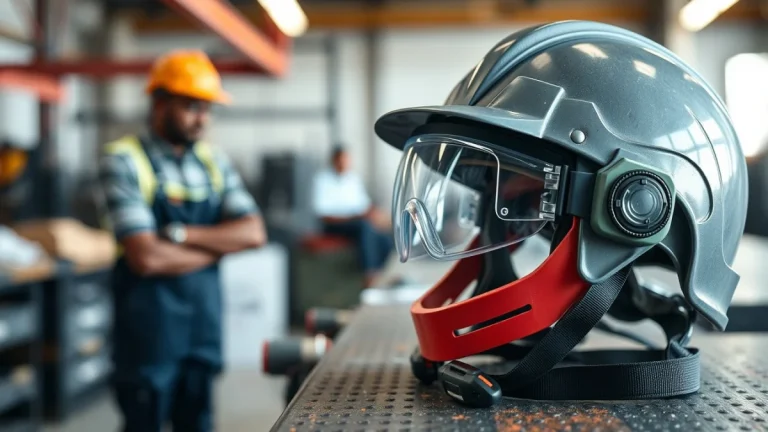
Understanding Workplace Safety Compliance in South Africa
If you’re looking to get started with safety compliance in your workplace, the Free Safety Compliance Officer Course with Certificate in South Africa offers a practical way to learn what matters most. Safety compliance isn’t just ticking boxes; it’s about understanding clear rules, applying them properly, and preventing accidents that can affect lives and business.

For beginners, the biggest confusion is often thinking workplace safety is automatic or only management’s problem. In reality, safety compliance requires continuous attention and coordination. Picture a factory floor where hazards change daily—spots once safe can quickly become risky. Without up-to-date knowledge and clear documentation, important risks slip through unnoticed, leading to costly consequences.
What Workplace Safety Compliance Means in Practice
At its core, workplace safety compliance means meeting national legal standards to protect workers and minimise hazards. In South Africa, this mainly involves following the Occupational Health and Safety Act and related regulations. Compliance officers must know these laws well.
However, compliance is not a one-time act. It requires:
- Identifying hazards before accidents happen
- Assessing and managing risks effectively
- Delivering ongoing safety training
- Keeping thorough records and reports
- Preparing for emergencies
Without these routine actions, workplaces risk fines, legal action, and – worse – worker injuries or worse. Many beginners underestimate how routine and detail-oriented the role really is.
Who Needs to Follow These Safety Rules?
Safety compliance applies to almost all businesses, from factories and mines to offices and retail stores. Any workplace where people are employed must do more than just “try to be safe.” Employers have legal duties to ensure health and safety standards are met. Employees also have responsibilities, like reporting hazards and following safety protocols.
Safety compliance officers act as the frontline in this system. They bridge management and workers, monitoring conditions, enforcing rules, and keeping communication clear. Whether in a large corporation or a small business, having someone trained in safety compliance is critical.
Main Responsibilities of a Safety Compliance Officer
Some tasks you might not expect early on include:
- Running regular inspections and walking through every work area
- Updating hazard registers and risk assessments after even small changes in the workplace
- Ensuring incident reports are completed accurately and quickly
- Organising emergency drills that really test staff preparedness
- Delivering or arranging ongoing safety training sessions tailored to the team
- Using digital tools like online checklists or compliance software to track progress
Many beginners assume safety work is just about paper or big audits. The reality is a constant cycle of observation, communication, and action. Missing a hazard or ignoring a small risk can escalate fast. Employers and workers rely on compliance officers to keep safety practical and alive every day.
Risks and Penalties When Safety Compliance Is Ignored
Ignoring safety compliance brings tangible risks, such as:
- Fines and penalties imposed by the Department of Employment and Labour
- Work stoppages and costly delays after safety incidents
- Damage to company reputation, affecting customers and contracts
- Increased insurance costs due to workplace accidents
- Worker injuries, disabilities, or fatalities
A common beginner mistake is underestimating how small oversights, like incomplete risk assessments or missed hazard reports, contribute to these risks. In practice, these “minor” gaps can trigger full safety inspections or prosecutions after accidents.
Best Practices for Real Workplace Safety Compliance
It’s easy to say “just comply” but living that daily demands direction. Here’s what good safety officers do that sets them apart:
1. Regularly Update Hazard Registers and Risk Assessments
Don’t file these away after initial completion. Hazards evolve with changing work, equipment, or environment. Make updating these a weekly or monthly habit.
2. Communicate Clearly and Often
Safety depends on communication between all levels. Use simple language, clear signage, and regular staff meetings to keep safety top of mind.
3. Involve Everyone in Safety Culture
Safety isn’t a solo job. Engage workers by recognising safe behaviour, answering questions, and inviting input on improving practices.
4. Prepare Thoroughly for Emergency Drills
Many workplaces treat drills as a formality, but effective drills reveal real weaknesses. Schedule realistic, unannounced drills and learn from them.
5. Use Technology Wisely
Digital tools can track inspection results or schedule training. Avoid relying solely on paper records which are easy to misplace or forget.
What Safety Compliance Work Looks Like Day to Day
Expect a mix of planned tasks and fire-fighting. One morning you might lead a workshop on hazard identification, the next you’re reviewing a near-miss report or inspecting noisy machinery for new risks.
Beginners often struggle with juggling paperwork and practical inspections. It helps to develop a checklist for daily rounds and stick to it religiously. Safety compliance is about details: an overlooked minor spill might cause a big injury.
Employers expect compliance officers not only to find problems but also to suggest affordable, effective solutions promptly. The role requires persistence and steady nerves. It’s impact you see in a safer, more confident workforce.