Starting a Career as a Cashier: What You Need to Know
If you’re looking for an entry point into the retail industry, a Free Cashier Course with Certificate in South Africa can be the perfect start. This course gives you the basic skills and confidence needed to land a cashier job, even if you have no previous experience. Many learners worry about handling cash accurately or dealing with customers, but taking a structured course helps clear up these common concerns right away.

Imagine a busy till on a Friday evening rush—customers lining up, notes changing hands fast, and the pressure to avoid mistakes high. New cashiers often underestimate how tough it can be to balance speed, accuracy, and friendly service all at once. Employers expect calm, sharp attention to detail, and good customer manners from day one. This makes proper training, like the one provided in free cashier courses online in South Africa, more valuable than most beginners realise initially.
What Does a Cashier Job Involve?
At its core, a cashier’s role is to manage customer transactions efficiently and accurately. That includes recognising all common South African currency notes and coins, scanning products using a Point of Sale (POS) system, handing out correct change, and processing card or voucher payments. Beyond transactions, cashiers also provide a first point of contact for shoppers—greeting customers, answering questions, and sometimes managing difficult situations.
But what many beginners miss is how much time cashiers spend organising their workspace, checking pricing labels, and handling return items. Retail math skills come into play daily when calculating totals and VAT or applying discounts. Plus, safety and security precautions around cash handling and theft prevention are vital parts of the job that go beyond the obvious.
Important Skills for Cashiers
Basic skills training is a must. You’ll need:
- Cash handling accuracy: Being able to count money quickly without error, and spot counterfeit notes or mistakes.
- Customer service: Friendly greetings, polite communication, and patience, especially with upset customers or long queues.
- POS system operation: Knowing how to scan items, process different payments, and troubleshoot simple errors without panicking.
- Retail mathematics: Doing quick sums for totals and discounts without relying solely on machines.
- Time management: Prioritising tasks to keep the checkout moving smoothly during peak hours.
One overlooked practical insight is that first-time cashiers often get caught out by the unexpected: a jammed receipt printer, a customer without exact change, or a confusing return policy. Being prepared for these helps avoid embarrassment and delays.
Qualifying Through Learning: The Path to Becoming a Cashier
Unlike other jobs, cashier positions typically don’t require formal qualifications beforehand, but employers do look for evidence of workplace readiness. That’s where a cashier training course with certificate South Africa can really help. Completing an online cashier course creates a solid foundation and a proof point you can show on your CV.
Free online cashier training South Africa offers courses that cover everything from identifying currency to handling difficult customers, preparing you well for typical store situations. A beginner cashier course South Africa provides a certificate that can help you stand out when applying for your first job.
Where Can You Work as a Cashier?
Cashiers are needed almost everywhere retail happens. Some common employers include:
- Supermarkets and grocery stores
- Clothing and department stores
- Pharmacies and convenience stores
- Hardware stores and home goods shops
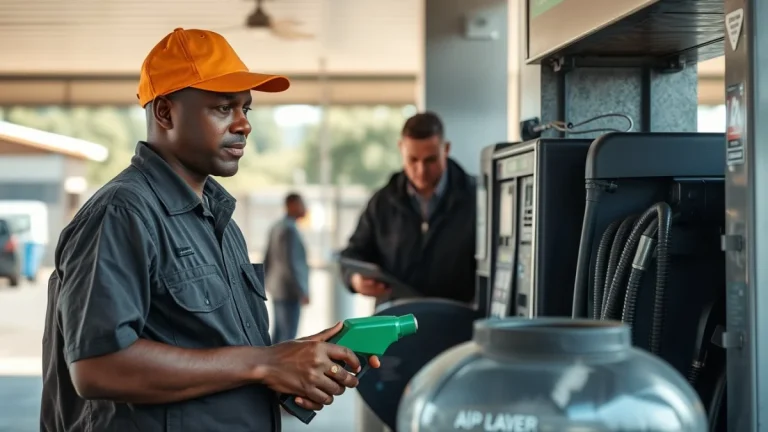
- Gas stations
Each workplace might have slightly different expectations—for example, some require cashiers to handle stock or clean their area—but the core skills remain consistent.
Career Growth: What Jobs Can Cashiering Lead To?
Starting as a cashier opens the door to other retail career paths. With experience and further skills training, you can move into:
- Store supervisor or floor manager roles
- Sales associate positions with more customer interaction
- Inventory control or stock management jobs
- Customer service or administrative support
It’s common for retail workers to climb the ladder internally. Gaining a cashier certificate and training can be your first step towards a more responsible or better-paying role.
How Much Can You Earn as a Cashier in South Africa?
Entry-level cashier salaries generally start around R3,500 to R5,500 per month, depending on location and employer size. More experienced cashiers or those with additional duties may earn up to R7,000 monthly or more. Some stores offer bonuses or incentives for accuracy and customer service.
Keep in mind that irregular hours and weekend shifts are common in retail, so it’s wise to negotiate flexible work times if needed.
What Does the Future Hold for Cashiers?
Automation and self-checkout stations are changing the retail landscape. However, South African stores still rely heavily on friendly human cashiers, especially where personal service is valued or technology is limited.
Learning strong cashier skills today sets you up to adapt if your role changes. Many cashiers expand their roles by learning stock control, using retail software, and developing customer service skills that are useful beyond just checkout duties.
Tips for Beginners: How to Get Started Without Experience
- Take a free beginner cashier course with certificate in South Africa to build concrete skills and boost your confidence.
- Practice counting money and giving change at home or with friends to avoid mistakes during real shifts.
- Focus on punctuality and a positive attitude when applying for jobs—retail employers value reliability highly.
- Prepare for common interview questions about dealing with tricky customers or busy times.
- Don’t be afraid to start in smaller stores or temporary positions to gain practical experience.