How Community Health Workers Support Families and Communities
If you want practical skills to help families and communities in South Africa, a Free Community Health Worker Course with Certificate in South Africa is a great start. Community Health Workers (CHWs) play a hands-on role assisting healthcare teams to reach people where they live, especially in areas with limited clinics or hospitals. This course teaches you how to support community members’ health through education, basic care, and connecting them to health services.
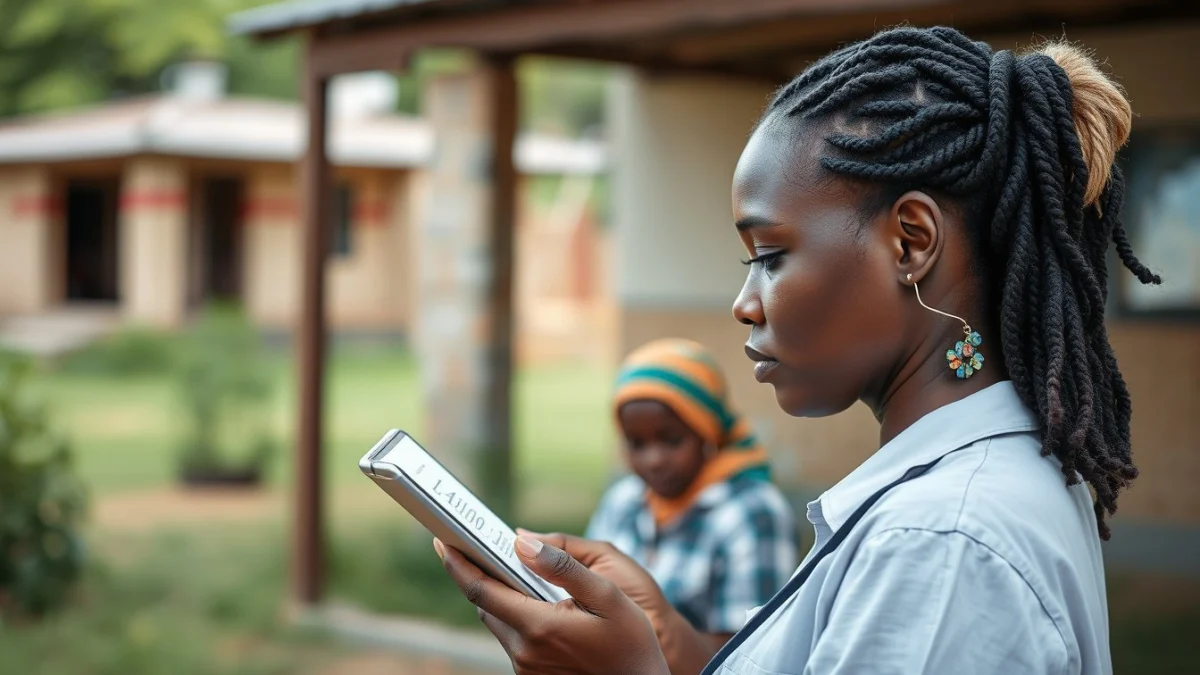
Many beginners worry that working as a CHW will require medical knowledge they don’t have or that they’ll be left on their own in tough situations. In reality, CHWs learn step-by-step how to observe health signs, communicate well, and refer serious cases correctly — skills that are practical and teachable even if you’re new to healthcare. The pressure to keep communities safe falls on you, but you won’t have to figure it all out without guidance. Real workplace challenges, like juggling many patient visits or managing emergencies, build from this course.
What It Means to Be a Community Health Worker
Community Health Workers are the bridge between the formal healthcare system and communities, especially in South Africa’s diverse and sometimes under-resourced areas. Their role includes helping people understand health information, identifying early signs of illness, providing basic first aid, and encouraging healthy habits.
Unlike nurses or doctors, CHWs often live within the communities they serve. They share language, culture, and often the same challenges. This builds trust and makes health advice easier to follow. Because South Africa’s healthcare system has many layers, CHWs help people navigate referrals, from clinics to hospitals.
Core Responsibilities You’ll Learn Online
- Patient Support: Assist patients with daily care, especially those with chronic conditions, pregnant women, children, and mental health concerns.
- Health Education: Teach hygiene, nutrition, and disease prevention using clear language and visual aids suited to local communities.
- First Aid and Emergencies: Provide immediate care for minor injuries and recognize when to escalate a case.
- Communication: Use verbal and non-verbal skills to build trust, overcome language barriers, and handle sensitive issues.
- Record Keeping: Document patient data accurately while respecting confidentiality and privacy laws.
- Workplace Safety and Self-care: Learn to protect yourself in the field and manage stress to sustain your work.
This mix of skills prepares you for the reality of the CHW role: managing many small tasks but knowing when to call in professional medical help.
A Day in the Life: Practical Challenges and Rewards
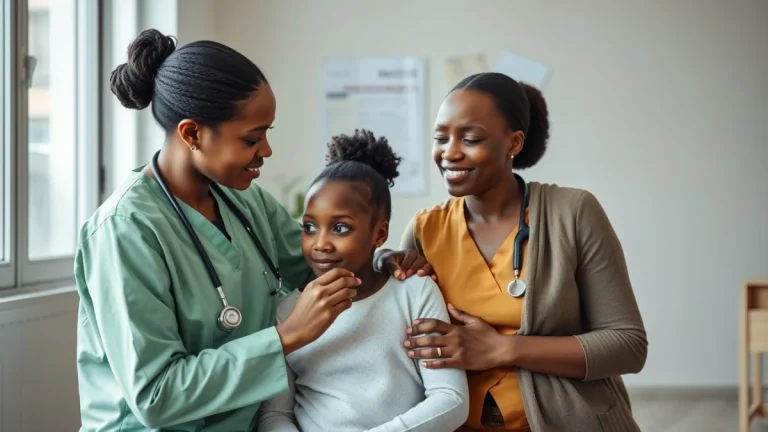
Imagine visiting a rural home where a mother worries about her newborn’s feeding habits. As a CHW, you check for warning signs, educate the mother on breastfeeding basics, and encourage immunisation schedules. You also record details to update local clinics. Later, you support a diabetic patient struggling to maintain diet and medication routines. Your role is hands-on, educational, and deeply community-focused.
But it isn’t just about goodwill. CHWs often face heavy workloads and travel challenges. Sometimes, limited supplies or unpredictable emergencies test your training. One common mistake beginners make is trying to handle all problems themselves without referring cases needing a nurse or doctor. This leads to burnout and risks patient safety. The free community health worker training South Africa offers helps you understand limits and referral pathways clearly.
Misunderstandings Beginners Often Have
- “I must know everything about medicine.” No. Your role is to support, educate, observe, and refer, not to diagnose or prescribe.
- “Community health work is only about clinic visits.” Much of your work happens in homes and community spaces, building relationships over time.
- “Record-keeping is just paperwork.”strong> Accurate records help track patient progress and can save lives through proper referrals.
- “I should avoid discussing sensitive issues to keep peace.”strong> Respectful communication on mental health or hygiene is part of increasing community awareness and breaking stigma.
Practical Advice for Beginners
- Learn the healthcare system: Know where to send patients for different needs.
- Practice communication skills: Use clear, simple language. Listen more than you speak.
- Stay organised: Use checklists for daily visits, keep forms updated, and review records regularly.
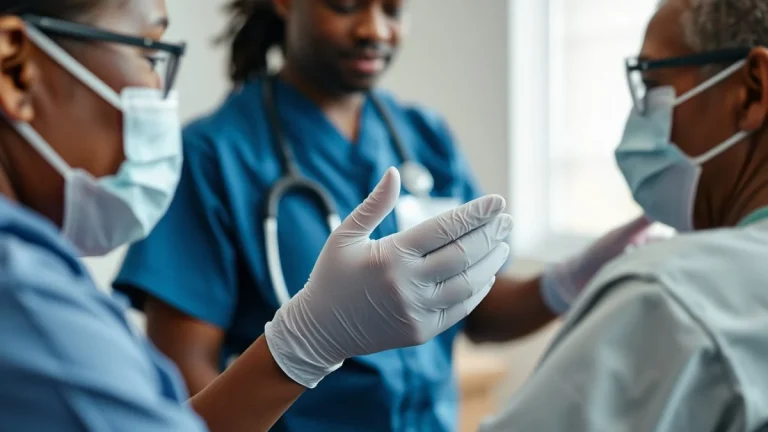
- Protect yourself: Always use gloves when handling wounds and recognise hazardous environments.
- Know your limits: Do not attempt tasks beyond your training; refer safely and promptly.