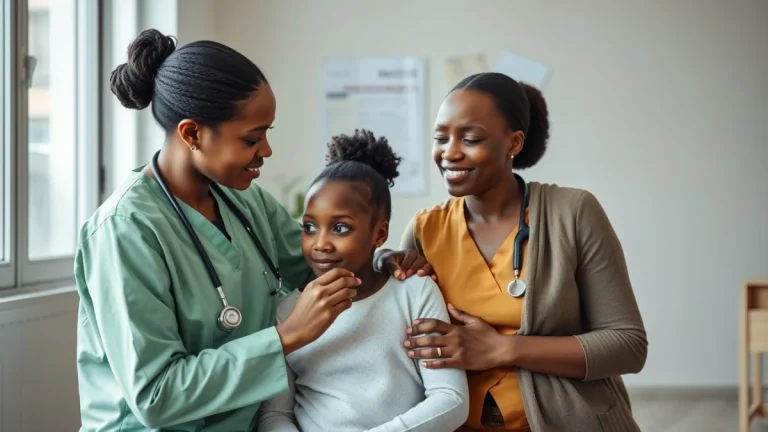
Communicating Effectively with Children Who Have Special Needs: What to Know First
Learning how to communicate with children who have special needs can be tricky but is key for caregiving success. If you want to support these children well, starting with simple, respectful, and practical communication techniques is a must. A free special needs care course with certificate in South Africa offers these skills so you gain a real understanding of how to connect, especially when verbal communication isn’t enough.

One common struggle in South African care settings is how caregivers often feel overwhelmed when a child doesn’t respond as expected. They might miss key signs or feel stuck using only words. This leads to frustration for both the child and caregiver. Overlooking non-verbal cues or basic practical communication methods usually hurts progress the most—and that’s a gap many beginner caregivers face.
What This Means for Caregivers in South Africa
Communicating with children who have special needs isn’t about perfect speech. It’s about being patient, observant, and flexible. In South African homes or care centres, children with different disabilities require caregiver strategies that match the child’s needs, culture, and communication style.
For example, a child with Autism Spectrum Disorder may find eye contact uncomfortable, so forcing it could cause stress. A child with a hearing impairment might rely heavily on sign language or visual aids. In these cases, just talking louder or repeating words won’t help. Understanding these differences early stops miscommunication and creates a safer, trust-filled environment.
Basic Examples of Effective Communication with Special Needs Children
- Use simple language: Speak clearly with short sentences and avoid complex words.
- Visual aids support understanding: Use pictures, flashcards or gestures to reinforce meaning.
- Non-verbal signs matter: Observe facial expressions, body language, and eye movements carefully.
- Allow processing time: After speaking, pause to let the child respond or think without pressure.
- Consistent routines help predict communication: Children feel safer with predictable signals like a certain bell or hand signal before meals or activity times.
Step-by-Step: How to Communicate Effectively
1. Prepare the Environment
Remove distractions like loud noises or bright lights. A calm setting helps the child focus on you.
2. Get the Child’s Attention Gently
Use the child’s name or a gentle tap on the shoulder if appropriate. Avoid startling them.
3. Use Simple Verbal Prompts
Speak slowly and use clear, simple words. For example, instead of “Please put your shoes on quickly,” say “Shoes on.”
4. Support with Visual or Tactile Aids
Show pictures or sign language, or let the child hold objects related to the message.
5. Observe Responses Closely
Watch for signs like blinking, nodding, or movements to understand if the child is following or confused.
6. Repeat and Reinforce
If the child doesn’t respond, calmly repeat the message with slight variations or more visuals.
7. Praise Effort and Success
Use smiles, claps, or a gentle touch to encourage communication attempts.
Common Mistakes That Undermine Communication
- Talking too fast or too much: Overloading with words confuses rather than clarifies.
- Ignoring non-verbal cues: Missing signs like fidgeting or turning away means missing messages.
- Not adapting to the child’s preferred mode: Some children need sign language or pictures, not just spoken words.
- Losing patience and rushing responses: This creates anxiety and stops meaningful interaction.
- Using sarcasm or abstract language: These can confuse children with processing delays.
Best Practices for Caregivers Communicating with Special Needs Learners
- Learn basic sign language: It’s a useful tool especially in South African classrooms and homes.
- Practice active listening: Show empathy by nodding and repeating the child’s words back.
- Use consistent signals: Create daily routines with visual timetables if possible.
- Be aware of cultural diversity: Respect the child’s background when choosing communication methods.
- Partner with families: Parents know best how their child communicates and can guide you.
Customising Communication to Different Needs
Communication is not one-size-fits-all. Here’s how to adjust for common special needs:
- For children with hearing loss: Focus on sign language, lip reading, and clear visual cues.
- For children with Autism: Use calm tone, avoid eye contact if it feels uncomfortable, and use repetitive routines.
- For children with intellectual disabilities: Break instructions into smaller steps and check understanding often.
- For children with physical disabilities: Combine verbal communication with assistive devices or communication boards.
Extra Examples From South African Care Settings
At a Johannesburg early learning centre, caregivers use picture cards alongside spoken words when teaching daily activities like handwashing. For some learners, this visual support is what makes the task understandable. In rural areas, blended approaches combining local sign language with verbal prompts help bridge language barriers in multilingual households.
One caregiver shared how initially she talked too much and ignored a child’s restlessness. After switching to short commands and more hand signals, the child seemed calmer and more engaged. This shows how practical changes in communication style make a real difference.
FAQs About Communicating with Children with Special Needs
How long does it take to learn effective communication for special needs care?
Can I communicate effectively if I don’t know sign language?
What should I do if a child becomes upset during communication?
Is it important to involve the child’s family?
Final Thought: Building Communication Skills Step-by-Step
Effective communication with children who have special needs is a skill you build with practice, patience, and the right tools. Start small, observe carefully, and adjust your approach based on each child’s unique needs. Practical training like a special needs care online course with certificate free South Africa can guide you through these steps with real examples tailored to local needs. Learning these skills not only helps you support children better but also makes daily caregiving less stressful and more rewarding.